Heat Intensifies Strain Around Local Data Centers
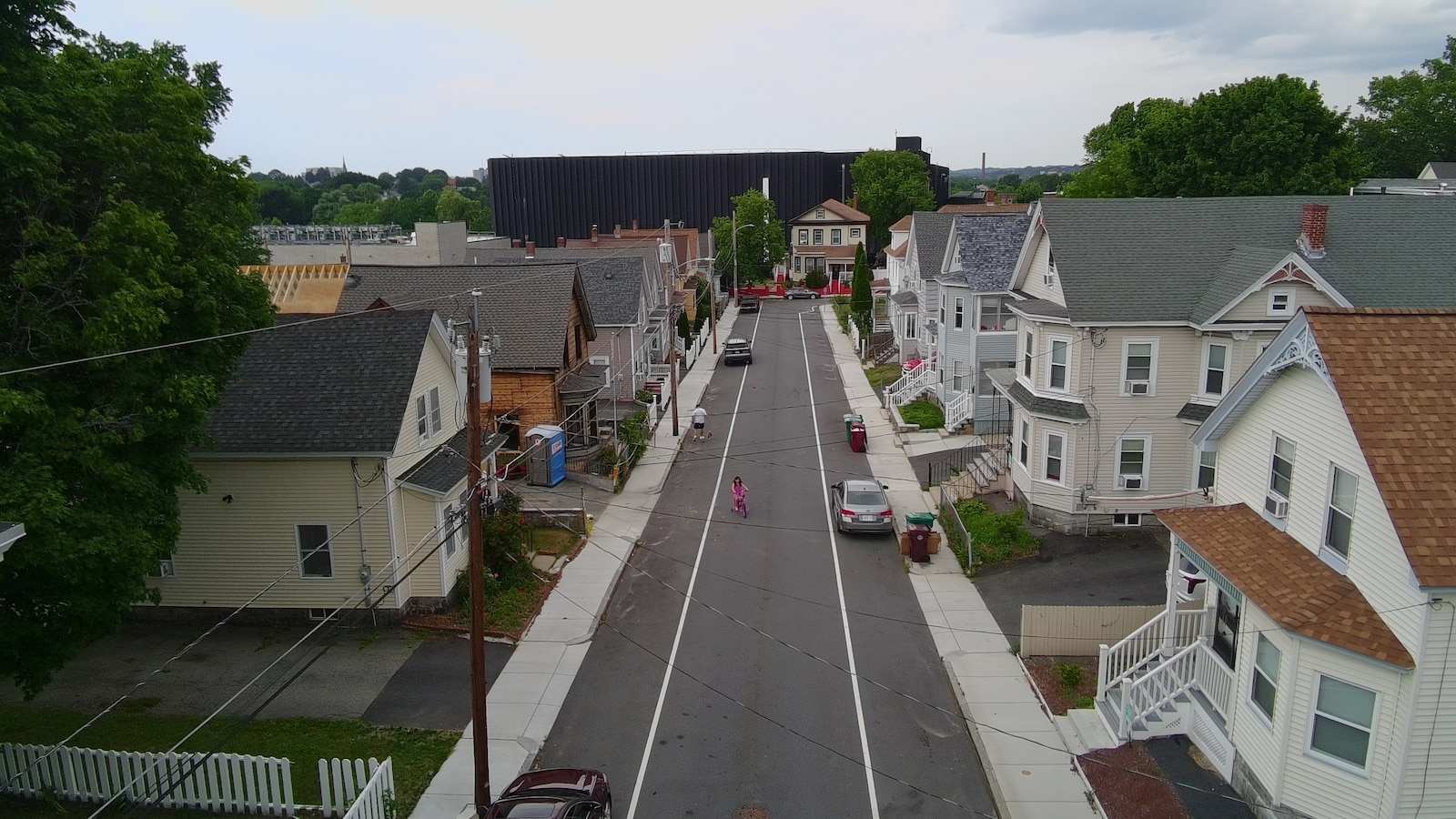
The Associated Press reported on July 2, 2026 that extreme heat is intensifying operational strain at data centers sited near homes, including the Markley Group facility in Lowell, Massachusetts, where resident Eileen Castle, 82, has stopped filling her backyard pool because the site's industrial air conditioners and backup diesel generators run at unpredictable hours and emit fumes. For infrastructure and sustainability teams, the episode illustrates how rising ambient temperatures push cooling and backup-power systems into higher duty cycles, amplifying community air-quality complaints and complicating local permitting as data center buildout accelerates. Lowell has already enacted a moratorium on new data center construction, and residents have separately sued Markley Group and state regulators over similar concerns.
Heat is becoming an operational and community-relations liability for data centers sited near homes, not only a grid-capacity problem. The Associated Press's July 2 report on the Markley Group facility in Lowell, Massachusetts adds a fresh data point to a pattern documented across Massachusetts through 2026: as hyperscale and colocation buildout accelerates statewide, cooling and backup-power systems run longer and louder during heat waves, and that operational reality is colliding with residential permitting fights, moratoriums, and litigation.
What happened
The AP reports that Lowell resident Eileen Castle, 82, has stopped filling her backyard swimming pool because a Markley Group data center behind her house runs industrial air conditioners and backup diesel generators that emit fumes at unpredictable hours. Castle told the AP, "I think about the air quality, the water, what effects it has on the kids in the area." The AP report, carried by the Winnipeg Free Press, does not include a response from Markley Group about the facility's operations or mitigation measures.
Industry context
Castle's account fits a pattern reported independently across Massachusetts through 2026. Boston Globe and WBUR reporting describe growing resident pushback against data centers sited close to homes, citing cooling-tower noise, generator fumes, and water use. CBS Boston reported that neighbors near the same Lowell facility, described as the largest data center in Massachusetts, say its air conditioning sounds "like jet engines" during hot weather. In March 2026, Lowell became the first Massachusetts city to impose a moratorium on new data center construction, and residents separately filed what was reported as the state's first lawsuit against a data center operator and state environmental regulators.
For practitioners
The throughline for infrastructure and sustainability teams is that extreme-heat scenarios need to be modeled as a community-relations and permitting risk, not only a cooling-capacity problem. Facilities sited near residential areas face compounding scrutiny during heat waves: higher chiller and generator duty cycles raise both energy draw and local emissions and noise complaints, which can accelerate moratoriums, permitting delays, or litigation in the jurisdictions where AI operators most need to expand.
What to watch
Watch for outcomes in the Lowell lawsuit against Markley Group and Massachusetts environmental regulators, whether other Massachusetts municipalities follow Lowell's moratorium, and whether Markley Group or other operators publicly respond with mitigation commitments such as quieter cooling technology, generator emissions controls, or community agreements.
Key Points
- 1AP reports Lowell, Massachusetts resident Eileen Castle stopped filling her pool due to fumes from a nearby Markley Group data center's cooling and generators.
- 2Massachusetts has seen mounting pushback including a Lowell moratorium on new data centers and a lawsuit against Markley Group and state regulators.
- 3Practitioners should model extreme heat as a permitting and community-relations risk, not just a cooling-capacity constraint, as duty cycles rise industry-wide.
Scoring Rationale
Notable local infrastructure and community-relations story with real practitioner relevance (heat-driven cooling/generator strain, permitting risk), corroborated by independent Massachusetts reporting on the same facility and statewide pattern (moratorium, lawsuit). Core anecdote (Castle quote) remains single-sourced to the AP, so kept below 'major' tier.
Sources
Public references used for this report.
Practice interview problems based on real data
1,625 SQL & Python problems across 15 industry datasets — the exact type of data you work with.
Try 250 free problems