Harvard Kennedy School Sets 2036 Technology Training Goals
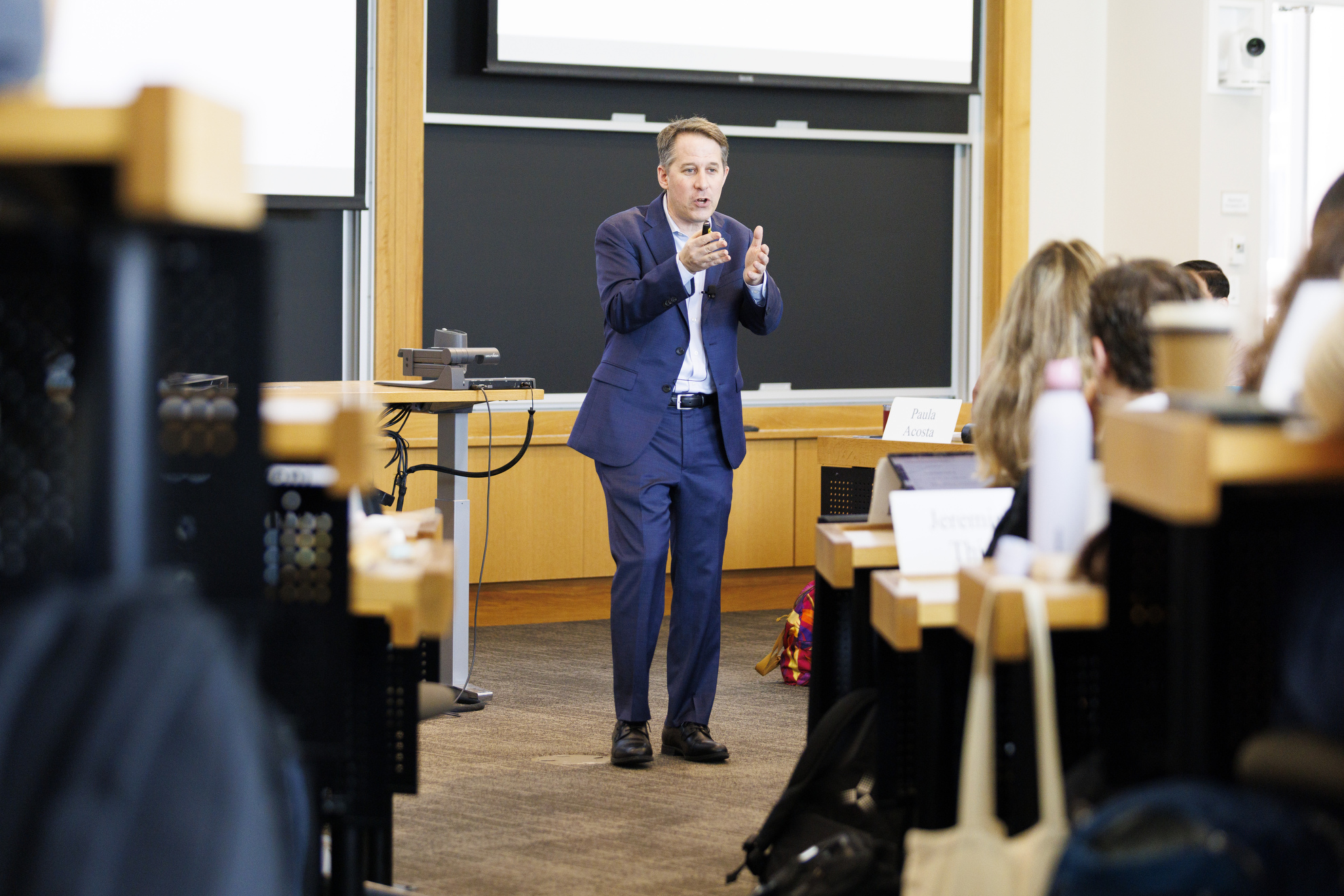
Harvard Kennedy School unveiled its HKS 2036 strategy on June 3, setting a decade-long goal to train 600 public-sector technologists and 6,000 public leaders who can work across technology, governance, and ethics. The plan starts with a technology concentration in the master in public policy program and considers a separate technology-and-policy degree, tying AI fluency to broader public-service training.
Harvard Kennedy School unveiled a 10-year strategy on June 3 that makes technology fluency a core part of its public-leadership mission. The HKS 2036 plan targets training 600 public-sector technologists and 6,000 technologically informed public leaders over the decade leading to the school's centennial.
The strategy does not treat AI as a standalone technical specialty. HKS says future public leaders need fluency in technology itself, the systems that govern it, and the ethics and leadership required to determine how it should be used.
From plan to curriculum
The first concrete step is a new technology concentration in the master in public policy program beginning in fall 2026. HKS is also exploring a specialized degree in technology and public policy and plans to integrate emerging-technology material more broadly across its curriculum.
The official plan pairs those education goals with a wider institutional agenda. It calls for stronger financial aid, more flexible degree and certificate options, and a platform for working with governors and leadership teams in all 50 states. The Crimson reported that the technology concentration is supported in part by two new AI-policy faculty hires.
The figures are targets, not results. The strategy describes what HKS intends to build over the next decade; it does not yet show completion rates, learner outcomes, or evidence that the proposed programs improve government performance.
Why the targets matter
For data and AI practitioners who work with government, the plan signals a shift in the skills public institutions may demand. Deploying AI in public services requires more than model development: leaders must understand procurement, privacy, security, evaluation, accountability, and the operational limits of automated systems.
HKS's approach is notable because it connects those governance responsibilities to technical education instead of placing them in separate tracks. The practical test will be whether the school converts the targets into accessible programs and reports measurable outcomes—such as who enrolls, what competencies participants gain, and how those skills affect real public-sector projects.
Harvard's Gazette revisited the plan on July 28, but the underlying strategy was announced on June 3. That original date is the relevant event context.
Key Points
- 1HKS 2036 sets decade-long targets to train 600 public-sector technologists and 6,000 technologically informed public leaders.
- 2A technology concentration in the master in public policy program begins in fall 2026, while a separate technology-and-policy degree remains under consideration.
- 3The plan frames public-leadership readiness as fluency in technology, governance systems, and the ethics and leadership surrounding their use.
Scoring Rationale
The plan provides concrete decade-long training targets and a curriculum commitment relevant to public-sector AI capacity. Its practical impact depends on future program delivery and measured outcomes, so the score reflects meaningful institutional intent without treating targets as completed results.
Sources
Primary source and supporting public references used for this report.
Practice interview problems based on real data
1,625 SQL & Python problems across 15 industry datasets — the exact type of data you work with.
Try 250 free problems