Harbinger and Rheinmetall Develop 500-mile Autonomous Military Trucks
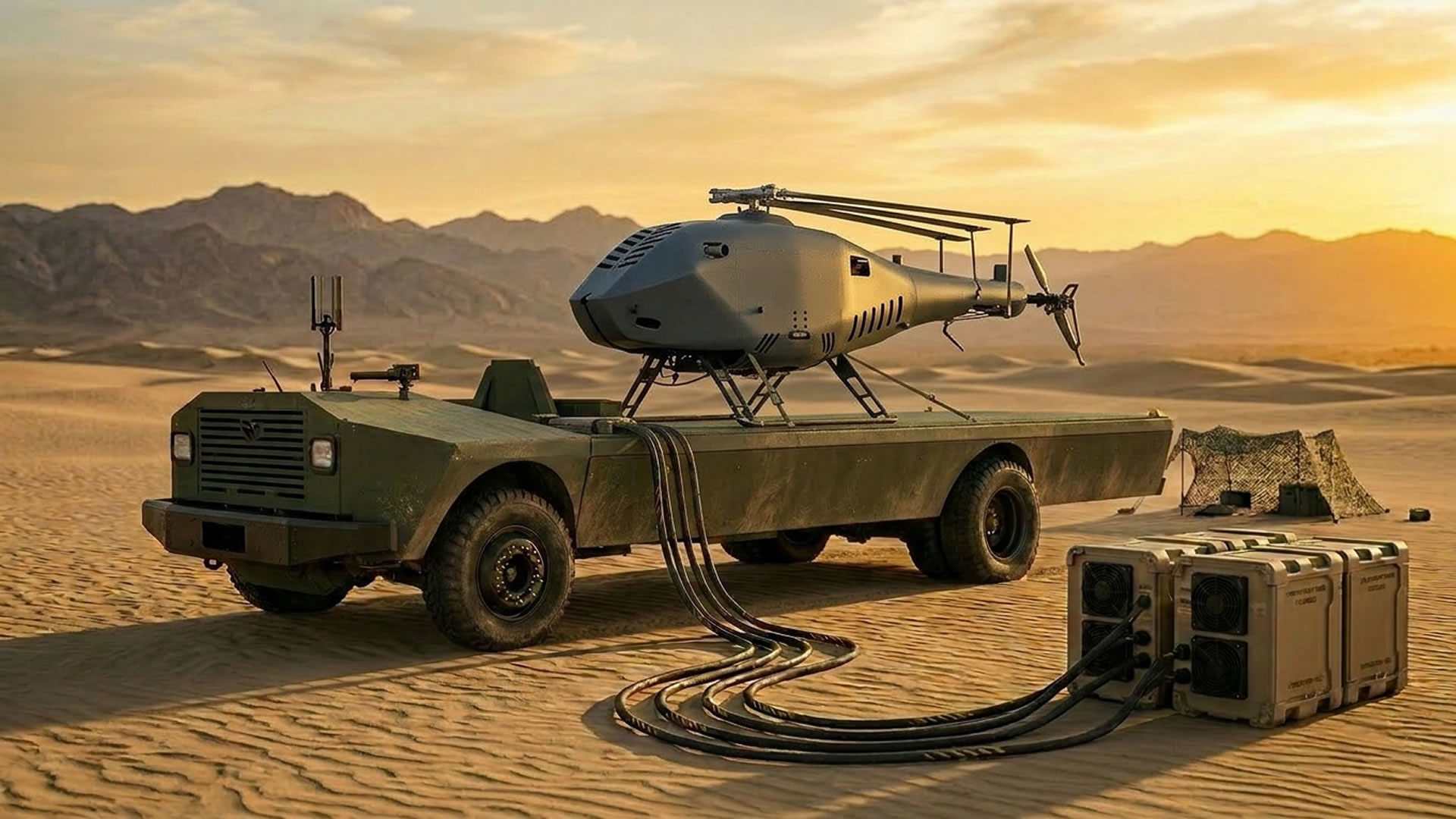
American Rheinmetall and electric-truck startup Harbinger announced a partnership on May 27, 2026 to develop a family of robotic and uncrewed ground vehicles (UGVs) for US military logistics, the companies said in a press release. The effort pairs Harbinger's autonomy-ready, hybrid-electric, drive-by-wire medium-duty chassis with American Rheinmetall's vehicle integration and mission-systems expertise. Interesting Engineering reports the concept targets an extended-range electric vehicle with roughly 500-mile range; the design emphasizes autonomous operation, silent watch, and reduced thermal and acoustic signatures. Manufacturing Dive reports American Rheinmetall's broader US manufacturing expansion includes about $41 million across six facilities. Electrek reports joint demonstrations and near-term prototyping are expected this summer, and quotes Harbinger CEO John Harris on removing drivers to keep service members out of harm's way.
What happened
American Rheinmetall and Harbinger announced a partnership on May 27, 2026 to develop a family of robotic and uncrewed ground vehicles supporting US Department of War modernization priorities, according to a Rheinmetall press release distributed via PR Newswire. The collaboration pairs American Rheinmetall's vehicle integration and mission-systems expertise with Harbinger's commercially derived, autonomy-ready hybrid-electric chassis and drive-by-wire architecture. Interesting Engineering frames the concept as an extended-range electric vehicle targeting roughly 500-mile range.
Technical details
Reporting describes a hybrid architecture that pairs an electric chassis with a gas-powered range extender to recharge batteries during missions, and a fully drive-by-wire control layer that enables remote operation, teleoperation, and autonomous stacks to interface with vehicle actuators (Manufacturing Dive; Interesting Engineering). The companies say the platform family is intended for roles from robotic cargo haulers to contested-logistics resupply, with design emphasis on silent watch and reduced thermal and acoustic signatures.
Industrial and program context
Manufacturing Dive reports that American Rheinmetall's broader US manufacturing expansion includes about $41 million across six facilities; that investment supports multiple defense programs and is not described as exclusive to this partnership. Adapting commercial EV and hybrid platforms for defense can speed engineering cycles but typically requires added ruggedization, mission-kit integration, and survivability testing before fielding.
Timelines and statements
Electrek reports the teams expect joint demonstrations to begin this summer, with near-term prototyping pursued through Commercial Solutions Openings, Other Transaction Authorities, and traditional programs of record if concepts are validated. The Rheinmetall release quotes Matthew Warnick, CEO of American Rheinmetall: 'Soldiers need robotics they can trust, at a cost that lets them field them in the numbers required to win.' Electrek quotes Harbinger CEO John Harris: 'Most importantly, by taking the driver out of the vehicle with advanced autonomy and teleoperation, we can keep service men and women out of harm's way.'
What to watch
- •Validated performance metrics (range, payload, autonomy levels) from demonstrations
- •Solicitation outcomes via CSOs, OTAs, or programs of record, and any formal DoW awards
- •Independent test reporting needed to assess real operational readiness
Key Points
- 1The partnership pairs Harbinger's autonomy-ready hybrid-electric, drive-by-wire chassis with American Rheinmetall's combat-vehicle integration to develop uncrewed ground vehicles for US logistics.
- 2The concept targets an extended-range electric vehicle around 500-mile range (Interesting Engineering), emphasizing autonomy, silent watch, and reduced thermal and acoustic signatures.
- 3Drive-by-wire architecture and teleoperation are central, letting autonomous stacks interface with vehicle actuators; demonstrations are expected this summer (Electrek).
Scoring Rationale
A notable defense-autonomy partnership that adapts commercial hybrid-electric, drive-by-wire truck platforms for uncrewed military logistics, relevant to practitioners working on autonomy, teleoperation, and mission-system integration. It is an early-stage concept with demonstrations pending rather than a fielded system or frontier AI release, and part of the story is industrial and defense-procurement rather than core AI. Scored as a notable applied-autonomy deployment.
Sources
Public references used for this report.
View 5 more sources
- Harbinger gears up for war with autonomous military truck programelectrek.co
- Stealthy, expendable robot trucks target military cargo runs under firenewatlas.com
- Uncrewed ground vehicle pact signed by American Rheinmetall ...militaryembedded.com
- Harbinger, Rheinmetall to build autonomous defense vehiclescleantrucking.com
- What War On EVs? New $230 Million LFP Battery Materials Factory Proposed For Texascleantechnica.com
Practice interview problems based on real data
1,625 SQL & Python problems across 15 industry datasets — the exact type of data you work with.
Try 250 free problems