Cambridge Tests AI-Designed Universal Coronavirus Vaccine
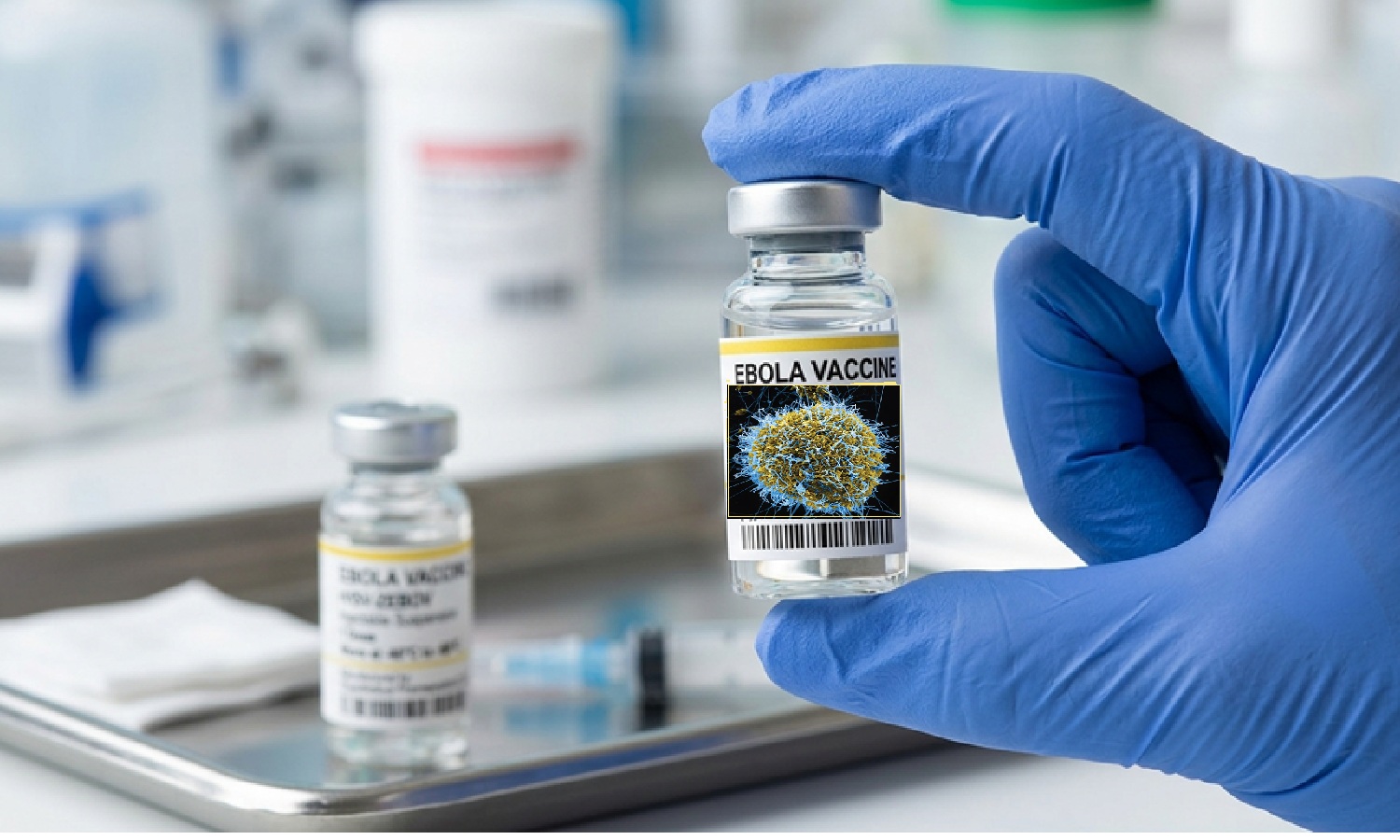
A University of Cambridge-led team has completed a first-in-human Phase 1 trial of an AI-designed 'super-antigen' vaccine intended to protect across the Sarbeco coronavirus family, according to a University of Cambridge release and BBC reporting. The trial, named pEVAC-PS, enrolled 39 healthy volunteers aged 18 to 50 at NIHR clinical research facilities in Southampton and Cambridge; investigators reported the DNA-based vaccine, given via a needle-free jet system, was safe with no significant side-effects and elicited immune responses against SARS-CoV-2, SARS, and related bat coronaviruses. The work was developed with spin-out DIOSynVax (DVX) Ltd and sponsored by University Hospital Southampton NHS Foundation Trust. Researchers describe it as the first time a vaccine's active component designed entirely by computer simulation has been tested in people, and a larger Phase 2 study is planned.
What happened
The University of Cambridge and collaborators have completed a Phase 1 human trial of a vaccine whose active component was designed using artificial intelligence, per a Cambridge release and corroborating coverage from the BBC and Euronews. The trial, named pEVAC-PS, enrolled 39 healthy volunteers aged 18 to 50 at NIHR Clinical Research Facilities in Southampton and Cambridge and was sponsored by University Hospital Southampton NHS Foundation Trust. Investigators reported the DNA-based vaccine, delivered through a needle-free jet system, was safe with no significant side-effects and triggered immune responses to SARS-CoV-2, SARS, and related bat coronaviruses. The platform was developed with spin-out DIOSynVax (DVX) Ltd.
How the design works
The approach compiles genetic sequences from diverse members of a viral family, then applies machine learning and computational protein design to generate a 'super-antigen' that captures conserved features across strains, aiming for broad protection (BBC; Euronews). Researchers describe this as the first time a vaccine's key active ingredient was designed entirely by computer simulation and tested in humans.
Significance
For applied ML in biology, the trial marks a milestone in translational computational design: an AI-generated antigen has reached human testing. Proponents argue that shifting from strain-specific to family-wide targets could reduce the need for frequent reformulation, but broader protective efficacy must still be established in larger trials with real-world challenge.
Investigator quote
The Cambridge release quotes Professor Jonathan Heeney: 'We've converted vaccine development from being reactive to being future proof. Our vaccines will continue to provide protection against viruses even as they mutate into new strains.'
Limitations and what to watch
Phase 1 trials primarily assess safety and initial immune responses, not population-level effectiveness; current coverage does not provide randomized efficacy data or durability measures. Observers should watch for a planned Phase 2 study, peer-reviewed publication of protocol and immunogenicity data, independent replication in other virus families, and structural data confirming the designed antigen's stability and epitope presentation.
Key Points
- 1An AI-designed vaccine antigen reached human testing for the first time, a translational milestone for computational vaccine and protein design.
- 2The Phase 1 pEVAC-PS trial in 39 volunteers reported safety and cross-reactive immune responses across the Sarbeco family, but not efficacy.
- 3Broader impact depends on larger Phase 2/3 trials, peer-reviewed data, and replication of the approach in other virus families.
Scoring Rationale
A genuine translational milestone for AI in biology: an AI-designed vaccine antigen has reached first-in-human testing, with reported safety and cross-reactive immune responses across the Sarbeco coronavirus family. It is highly relevant to ML-in-biology and computational protein design, though broader impact depends on larger efficacy trials and peer-reviewed data. Scored as a major, well-sourced research milestone.
Sources
Public references used for this report.
View 10 more sources
- AI-designed universal coronavirus vaccine passes first human trialsciencedaily.com
- Universal Sarbeco coronavirus vaccine proves safe in first human trialnews-medical.net
- First AI-designed 'universal vaccine' tested in humans: UK researchersmedicalxpress.com
- First human trial backs AI-designed 'universal' vaccinepharmaphorum.com
- First AI-designed 'universal vaccine' tested in humansscmp.com
- New AI-designed vaccine could prevent pandemics and save millions of lives, scientists saynews.sky.com
- The University of Cambridge says it successfully tested a vaccine with an AI-designed antigenengadget.com
- 'World first' computer-designed vaccine shows immune response in early human testinginterestingengineering.com
- First-in-Human Trial of AI-Designed Universal Coronavirus Vaccine ...trial.medpath.com
- AI-designed universal vaccine shows safety in first human trial - MSNmsn.com
Practice interview problems based on real data
1,625 SQL & Python problems across 15 industry datasets — the exact type of data you work with.
Try 250 free problems