Grid Gains Leverage Over AI Data Center Expansion
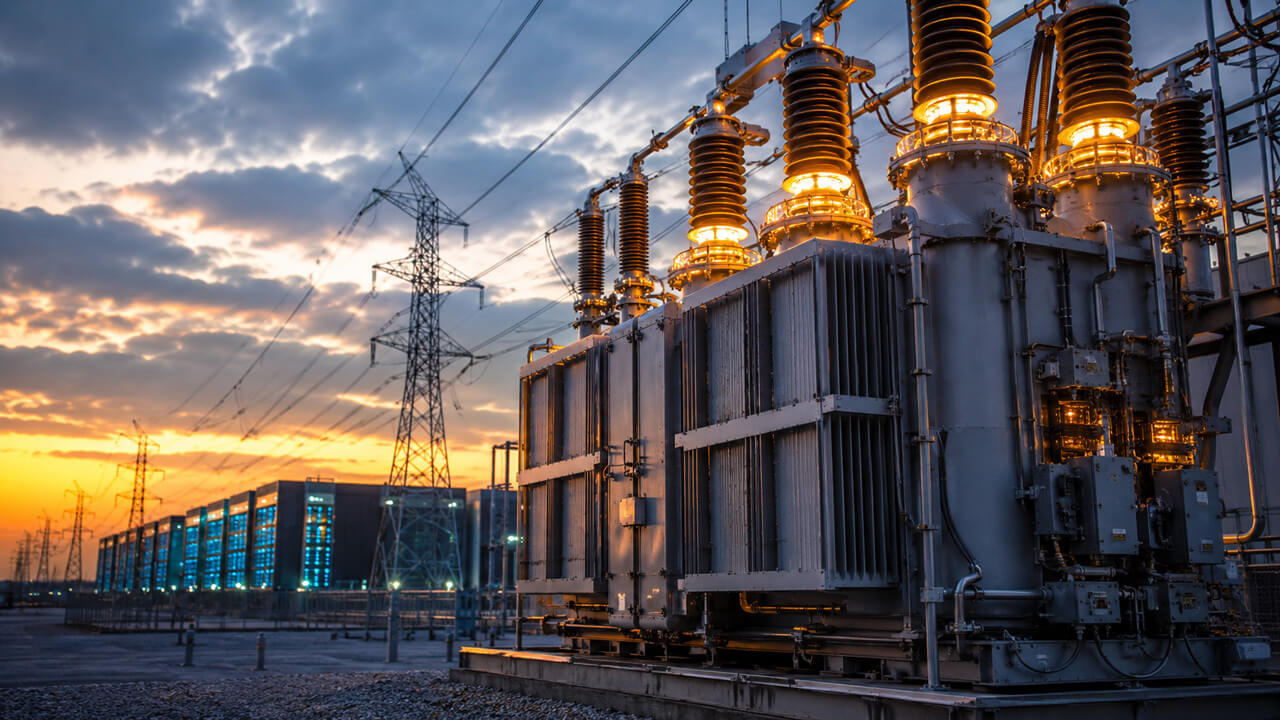
An analysis from CryptoSlate argues that surging AI electricity demand is becoming a bottleneck in the US power system and shifting leverage from chipmakers toward utilities and grid operators. The piece cites the Electric Reliability Council of Texas (ERCOT) managing a large backlog of power requests from data centers, crypto miners, and industrial sites, and notes New York lawmakers weighing a measure that could pause some local data-center buildouts. It anchors the trend in Goldman Sachs research, which projects data centers' share of US peak summer demand rising from 4.1% in 2025 toward 8.5% by 2027, while cautioning that interconnection delays and cancellations could leave much scheduled capacity behind schedule. The practical upshot, per the analysis, is higher power costs, slower deployments, and more bargaining power for those who control generation and grid interconnection.
What happened
An analysis published by CryptoSlate argues that rising AI-related electricity demand is straining parts of the US grid and shifting commercial leverage toward utilities, grid operators, and power producers. The piece reports that the Electric Reliability Council of Texas (ERCOT) was managing a large backlog of megawatt requests from data centers, crypto miners, and industrial sites, and that New York lawmakers were weighing a measure that could pause certain in-state data-center buildouts. It anchors the trend in Goldman Sachs research.
The numbers
Goldman Sachs Research projects data centers' share of US peak summer power demand rising from 4.1% in 2025 to about 5.3% in 2026 and 8.5% by 2027, with absolute data-center power demand climbing from roughly 31 GW to 66 GW over the same period. CryptoSlate, relaying Goldman, reports that only about 50% to 60% of the capacity scheduled over the next year or two is likely to arrive on time because of delays and cancellations; Goldman's own materials caution that interconnection and equipment bottlenecks could hold activated capacity below projections.
Why it matters
Class B analysis: For practitioners, compute scale is increasingly coupled to grid readiness and local regulatory limits. Common non-GPU bottlenecks, including land, generation capacity, water, high-voltage transformers, and permitting, determine how many megawatts a site can draw and how fast new load connects. When interconnection queues become the binding constraint, project timelines, siting choices, and the effective marginal cost of compute all move, rebalancing leverage away from chip suppliers toward those who control or finance generation and interconnection.
What to watch
Interconnection queue backlogs at major ISO/RTO operators like ERCOT; state-level permitting actions and moratoria such as the New York measure; behind-the-meter or dedicated-generation deals tied to cloud and colocation providers; and utility moves such as higher tariffs, demand charges, or long-term power purchase agreements linked to compute facilities.
Key Points
- 1Goldman Sachs research projects data centers' share of US peak summer power demand rising from 4.1% in 2025 toward 8.5% by 2027, making electricity a binding constraint on AI expansion.
- 2Interconnection queues, permitting limits, and equipment shortages, not just GPUs, increasingly gate where and how fast compute can be built.
- 3As grid access becomes the bottleneck, leverage and cost shift toward utilities, independent power producers, and grid operators.
Scoring Rationale
An infrastructure analysis tying AI's electricity demand to grid constraints, anchored in Goldman Sachs projections that data centers' share of US peak summer demand roughly doubles to 8.5% by 2027. The theme is highly relevant to AI practitioners planning capacity, but the event is a single secondary-source analysis rather than a discrete deal or launch, which places it in the solid band.
Sources
Public references used for this report.
Practice interview problems based on real data
1,625 SQL & Python problems across 15 industry datasets — the exact type of data you work with.
Try 250 free problems