Google integrates Gemini 3.5 Flash into Search
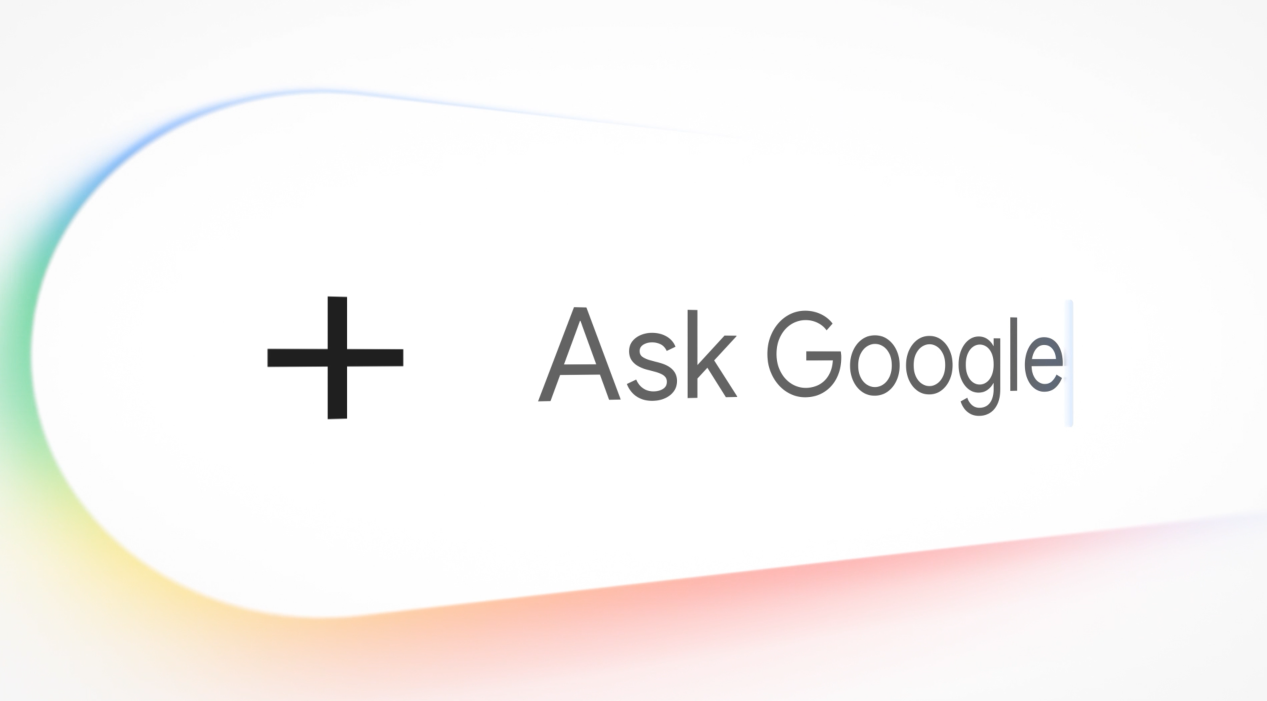
At Google I/O 2026, Google unveiled a major upgrade to Search and introduced Gemini 3.5 Flash as the model powering AI interactions in Search. According to Google's blog post, gemini-3.5-flash is available today across the Gemini app and AI Mode in Search and is distributed to developers via Google AI Studio and the Gemini API (source: Google blog, Google API docs). DeepMind's model card documents a token context window of up to 1M and a 64K output-token limit for the model (sources: DeepMind model card; Google API docs). The update also includes a redesigned AI search box that accepts longer natural queries and multimodal inputs, follow-up conversational context, information-focused agents that can monitor the web, expanded booking/contacting capabilities for select services in the US, and new generative UI elements such as visuals and video tools (sources: Gizmochina, New York Times, Search Engine Land).
What happened
According to Google's blog post and Google I/O coverage, Google announced a major overhaul of Search on May 19-20, 2026 that pairs a redesigned, AI-first search box with a set of new capabilities powered by Gemini 3.5 Flash. Per the Google blog, gemini-3.5-flash is available today in the Gemini app and AI Mode in Search and accessible to developers through Google AI Studio and the Gemini API (source: Google blog; Google API docs). DeepMind's published model card documents a token context window of up to 1M and a 64K output token limit for the model (source: DeepMind model card). Coverage in the New York Times and Search Engine Land reports that the update includes follow-up conversational context, agents that can continuously monitor web updates, expanded booking/search-to-service workflows, and interactive generative UI elements including a new video-generation tool (sources: New York Times; Search Engine Land; Gizmochina).
Technical details
Per Google's technical writeups, gemini-3.5-flash is positioned as a frontier, agentic model with multimodal inputs (text, images, audio, video, files) and optimized for higher throughput and lower latency compared with prior flagship models; Google reports benchmark improvements on coding and agentic tests and claims faster token output rates and cost advantages in its blog post and model documentation (source: Google blog; DeepMind model card; Google API docs). The Gemini API documentation lists supported features such as function calling, file search, grounding with Google Maps and Search, and structured outputs for gemini-3.5-flash (source: Google API docs).
Context and significance
Making a frontier agentic model the default for Search is noteworthy because Search is a high-traffic, latency-sensitive surface. Public documentation and model cards indicate Google focused on throughput and token limits, which are practical levers for deploying agentic loops at scale. This development also shifts the availability of agentic primitives-continuous monitoring, contact-for-services, and booking workflows-into mainstream tooling rather than experimental SDKs alone (Editorial analysis: industry-pattern observations).
What to watch
Industry context
Industry reporting frames this release as a product-led integration of a frontier model into Google's consumer search surface while simultaneously exposing agentic capabilities to developers and enterprises (sources: CNBC; New York Times; Mashable). Observed patterns in similar model-to-product rollouts show that embedding higher-capacity multimodal models into high-volume consumer surfaces tends to prioritize inference efficiency, grounding, and safety mitigations in production deployments (Editorial analysis: industry-pattern observations). For practitioners, the combination of large input windows and structured-output features increases the scope for building long-horizon, multimodal workflows that can be grounded with live search and Maps data (Editorial analysis: for practitioners).
Observers should track three indicators over the coming months:
- •developer access and pricing details for gemini-3.5-flash via the Gemini API and Google AI Studio
- •how grounding and attribution are implemented in Search results and agent outputs (coverage and model cards list grounding features)
- •regulatory, safety, and privacy discussions around agents that contact businesses or monitor user-specific feeds (sources: Google model documentation; New York Times reporting)
Also monitor Google's published evaluations and model-card updates for changes to reported benchmarks and mitigation strategies (source: DeepMind model card).
Key Points
- 1Gemini 3.5 Flash is now the default model for Search's AI Mode, enabling higher-throughput, multimodal queries at web scale (why: large token windows; so what: longer-context workflows become feasible).
- 2Search gains agentic features that can monitor web updates and act on users' behalf, expanding use cases from alerts to booking and business contact (why: agents + grounding; so what: new automation surface for apps and services).
- 3Developers get earlier programmatic access via Google AI Studio and the Gemini API, increasing opportunities for agentic application development but raising grounding and safety considerations.
Scoring Rationale
This is a major product integration of a frontier, agentic model into Google Search and developer platforms, expanding both consumer-facing AI and developer-accessible agent primitives. The technical scale and distribution to billions make it highly relevant to practitioners.
Sources
Public references used for this report.
View 9 more sources
- Gemini 3 | Google AI Studioaistudio.google.com
- Google Geminigemini.google.com
- Powered by A.I., Google Changes Its Search Box for the First Time in 25 Yearsnytimes.com
- Google debuts new AI models, personal AI agents in effort to keep pace with OpenAI and Anthropiccnbc.com
- With Gemini 3.5 Flash, Google bets its next AI wave on agents, not chatbotstechcrunch.com
- Google launches Gemini 3.5 Flash model. How to try it for free now.mashable.com
- Google Search now powered by Gemini 3.5 Flashsearchengineland.com
- Google I/O 2026 Roundup: Gemini 3.5, AI Search, Android XR Glasses, and Moremacrumors.com
- Gemini 3.5 Flash: more expensive, but Google plan to use it for everythingsimonwillison.net
Practice with real Ad Tech data
90 SQL & Python problems · 15 industry datasets
250 free problems · No credit card
See all Ad Tech problems