Google expands agentic shopping with Universal Cart
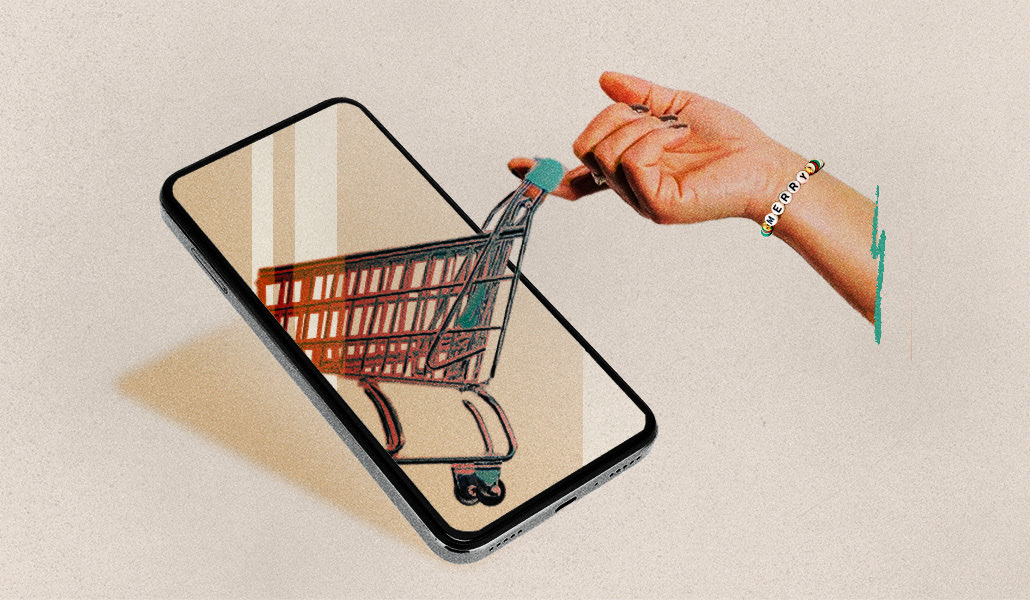
Digiday reports that Google unveiled Universal Cart, an "intelligent shopping cart" that works across retailers and Google surfaces including Gemini, Search, YouTube and Gmail. Universal Cart can surface deals and price drops via Gemini models and uses Google Pay for checkout, Digiday writes. The feature is built on Google's broader commerce groundwork, referred to in coverage as UCP, which launched in January and adds buy-now/pay-later and loyalty pricing capabilities, according to Digiday. Advertisers and agency execs quoted by Digiday express concern about brand dependence on Google for shopper acquisition at acceptable costs. Digiday also includes remarks attributed to Google commerce VP Ashish Gupta and commentary from agency executives about a wider restructuring of commerce around AI-driven agents.
What happened
Digiday reports that Google unveiled Universal Cart, described as an "intelligent shopping cart that works across retailers and across services," including integration with Gemini, Search, YouTube and Gmail. Per Digiday, items added to Universal Cart can be monitored for deals and price drops by Gemini models and shoppers can checkout using Google Pay. Coverage places Universal Cart inside a larger Google commerce effort called UCP, which Digiday says launched in January and includes buy-now/pay-later and loyalty-pricing features.
Technical details
Per Digiday, Gemini models are used to surface deals and price changes for items placed in Universal Cart. Coverage notes cross-surface functionality, meaning adding to cart can originate from Search, YouTube, Gmail or Gemini interactions. Digiday quotes a Google commerce executive in a virtual roundtable and a direct quote from Ashish Gupta: "We are not a retailer, we are not a marketplace, and that approach continues to guide us in this agentic era as well."
Industry context
Context and significance
What to watch
Editorial analysis
Companies building agentic shopping flows aim to remove friction across discovery, decisioning and payment. Industry reporting frames Google's move as part of a broader trend where platform owners stitch intent signals, personalization models, and payment rails to capture more of the transaction funnel. Agencies quoted in Digiday raise advertiser cost and dependency concerns, a recurring theme when intermediary platforms extend into commerce orchestration.
For advertisers and merchants, cross-surface carts and model-driven deal-finding change attribution and customer-to-conversion pathways. Platforms that control discovery plus checkout can influence which offer surfaces to users and how conversion cost is measured, according to the stakeholders Digiday interviewed. Rivals named in coverage include Amazon and TikTok, which public reporting shows are also investing in commerce experiences and checkout flows.
Observers should track merchant adoption of cross-platform cart integrations, any expanded Google billing or fees tied to UCP features, and how advertisers report changes in acquisition costs. Also watch for public tests or case studies from Google and third-party retailer feedback reported by industry outlets.
Key Points
- 1Google unveiled Universal Cart to let users add items across Gemini, Search, YouTube and Gmail, streamlining discovery-to-checkout.
- 2Industry observers note platform-controlled checkout plus AI-driven deal-finding shifts attribution and merchant reliance toward dominant surfaces.
- 3Advertisers and agencies in Digiday coverage express concern about acquisition costs and dependence as platforms extend agentic commerce features.
Scoring Rationale
A notable product expansion by a major platform that affects e-commerce flows, attribution and advertiser economics. It is important for practitioners integrating with platform commerce but not a frontier technical breakthrough.
Practice with real Ad Tech data
90 SQL & Python problems · 15 industry datasets
250 free problems · No credit card
See all Ad Tech problems