Policy & Ethicsdeepfakegenerative aiimage based abuseregulation
Generative AI Fuels Deepfake Pornography Harm
7.1
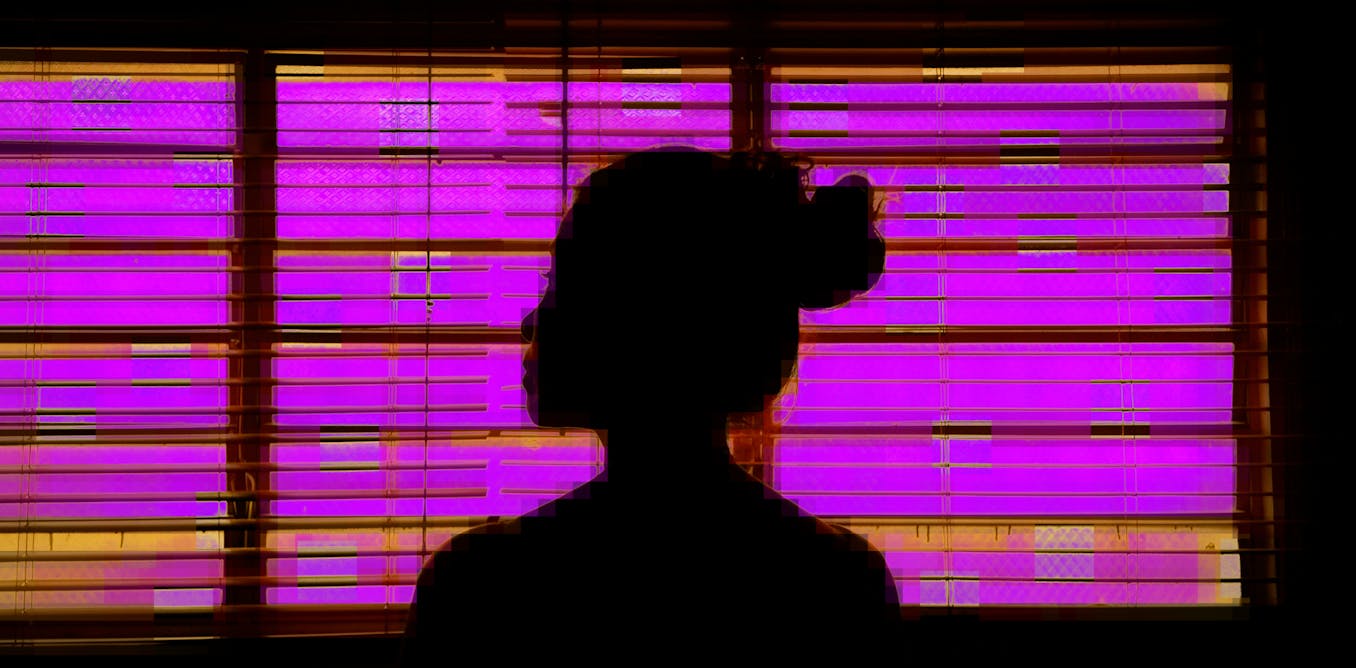
In 2024, commentators report that generative AI has increased deepfake pornography, producing convincing sexual imagery of celebrities, classmates and minors. Australia amended its criminal code to ban distribution of AI-generated sexual material without consent but left gaps around creation and "transmission" definitions. The piece argues that private creation may be legal yet remains ethically harmful, psychologically damaging, and misrepresents privacy concerns.
Key Points
- 1Documents rapid rise of AI-generated deepfake pornography affecting celebrities, classmates and children worldwide.
- 2Explains Australia’s 2024 law outlawing distribution but highlights gaps around creation and 'transmission' definitions.
- 3Advises practitioners that private creation may be legal yet remains ethically harmful and reputationally damaging.
Scoring Rationale
Covers an official 2024 legal change and clear ethical analysis, but offers limited empirical evidence and jurisdictional scope.
Practice interview problems based on real data
1,625 SQL & Python problems across 15 industry datasets — the exact type of data you work with.
Try 250 free problems