Gartner Warns CMOs Competency, Not Adoption, Limits AI Value
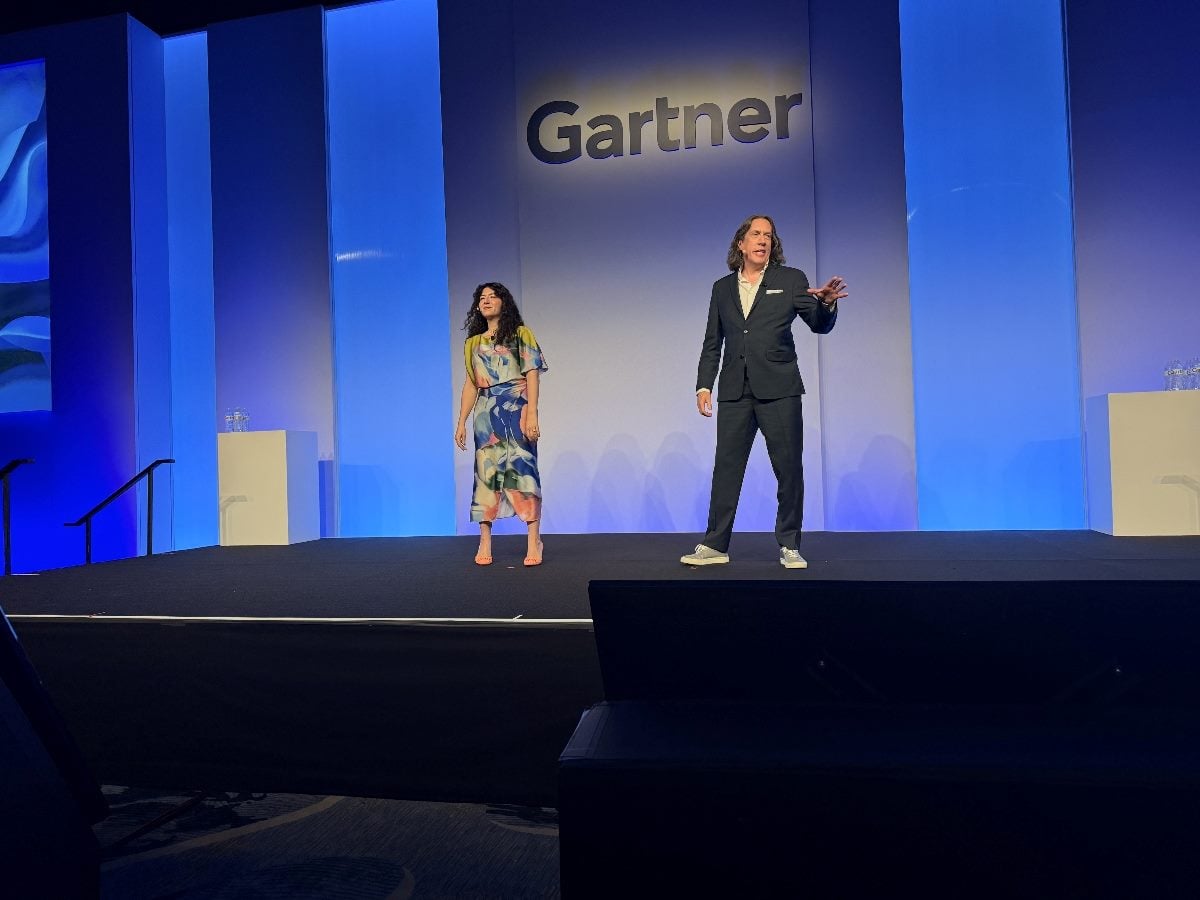
Per CMSWire reporting on the opening of Gartner's Marketing Symposium/Xpo in Denver (June 8-10, 2026), 98% of CMOs are now using or piloting AI, yet most have not captured AI's full strategic value. CMSWire and ClickZ report Gartner's framing of a "competency trap," where early, task-level productivity gains can leave marketing teams stuck before AI drives enterprise growth. In the opening keynote, Gartner VP analysts Kristina LaRocca-Cerrone and Jay Wilson outlined a three-stage maturity model from AI curious to AI confident, arguing that "AI is no longer a marketing experiment." Separately, Gartner's 2026 CMO Spend Survey found marketers allocate 15.3% of budgets to AI but only about 30% are ready to scale it. The takeaway: adoption is near-universal, and the harder problem is converting activity into durable ROI.
What happened
At the opening of Gartner's Marketing Symposium/Xpo in Denver (June 8-10, 2026), VP analysts Kristina LaRocca-Cerrone and Jay Wilson told CMOs that 2026 is an inflection point for turning AI into a sustainable competitive advantage. Per CMSWire and ClickZ reporting on Gartner's research, 98% of CMOs are now using or piloting AI, but fewer than a third say they are getting meaningful results. Gartner's framing centers on a "competency trap": the easy, task-level productivity gains AI delivers early can breed a "good enough" mindset that stops teams short of larger strategic value.
The maturity model
In the keynote, Gartner outlined a three-stage path: AI curious (building foundational literacy and running pilots), AI competent (scaling more use cases while facing higher expectations, conformity, and diminishing returns), and AI confident (linking skills together and embedding agents into campaigns and budgets). LaRocca-Cerrone and Wilson argued that "AI is no longer a marketing experiment" and that "the leaders who win will not be the ones using AI only for personal productivity," but those who use it to reshape relationships with the CIO, CFO, and HR and position marketing as a strategic partner.
The spending picture
Gartner's separately published 2026 CMO Spend Survey adds financial context: marketers now allocate 15.3% of marketing budgets to AI, but only about 30% of organizations say they are ready to scale AI capabilities. Gartner also reported that marketing leaders expect AI-driven automation of marketing work to more than double, from 16% in 2026 to 36% by 2028.
Editorial analysis - why it matters
For data and AI practitioners, this is a familiar pattern in marketing language: moving from pilots to enterprise value rarely fails on model quality and usually fails on operationalization. As a generic industry pattern, comparable transitions tend to stall on data maturity, measurement and experiment design, model operations in production, and the integration of AI outputs into the downstream workflows that actually move revenue or retention.
What to watch
Signals that a team is escaping the competency trap include a shift from output metrics to outcome metrics, end-to-end measurement pipelines, A/B or causal testing that ties AI interventions to revenue or retention, and organizational changes that embed AI into decision workflows rather than bolt it onto existing tools. Reporting so far documents high activity and budget allocation but a persistent gap in value realization.
Key Points
- 1At Gartner's Denver Marketing Symposium, analysts said 98% of CMOs use or pilot AI but most stay stuck in a "competency trap."
- 2Gartner's 2026 CMO Spend Survey found marketers allocate 15.3% of budgets to AI, yet only about 30% are ready to scale it.
- 3The bottleneck is shifting from adoption to operationalization: outcome metrics, governance, and integration now separate AI activity from value.
Scoring Rationale
Verified Gartner flagship-conference keynote plus 2026 CMO Spend Survey data (98% adoption, 15.3% AI budgets, 30% ready to scale), corroborated by CMSWire, ClickZ, and Gartner's own releases. Genuinely notable for the AI adoption narrative and marketing-vertical practitioners, but analyst and conference commentary rather than a technical advance, so it sits in the solid-not-major band. Pulled from 6.8 to reflect vertical scope.
Sources
Public references used for this report.
Practice with real Ad Tech data
90 SQL & Python problems · 15 industry datasets
250 free problems · No credit card
See all Ad Tech problems