Figure Shows Figure 03 in Autonomous Ladder-Climb Demo
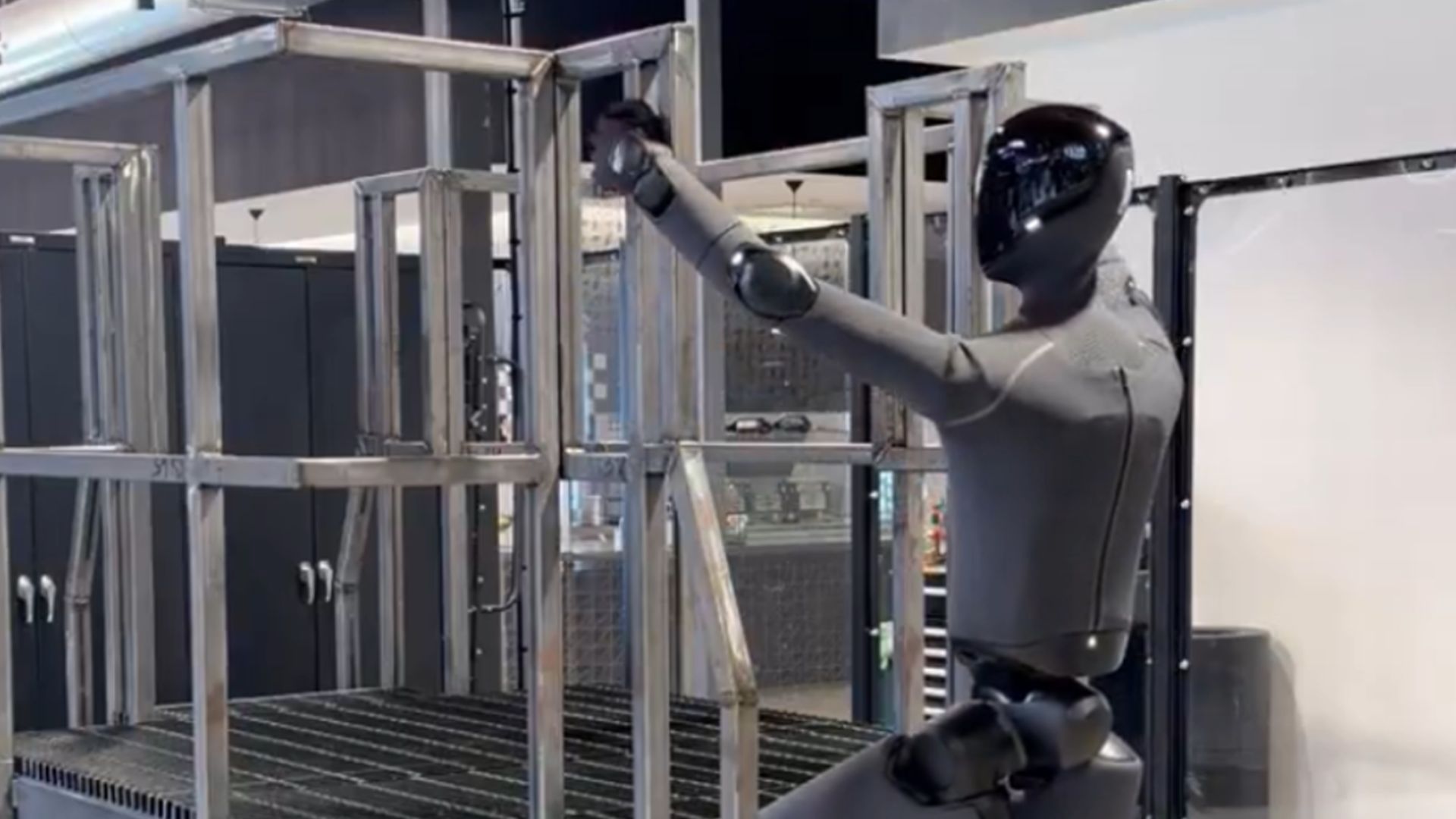
On August 1, Figure CEO Brett Adcock posted a video of the Figure 03 humanoid climbing a ladder and described the task as fully autonomous. Mechafeed reported that the post also said the climb used no teleoperation or pre-mapped path. The public material does not disclose test conditions, repeatability data, failure cases, or independent verification, so the footage is best read as a company demonstration rather than a validated capability benchmark.
Figure CEO Brett Adcock shared a video of the Figure 03 humanoid climbing a ladder and described the task as fully autonomous. Mechafeed reported that the August 1 post also said the climb used no teleoperation or pre-mapped path. The public post does not provide system details, test conditions, repeatability data, failure cases, or independent verification.
What the public record establishes
The video shows Figure 03 approaching a ladder and ascending rung by rung. That is evidence of one ladder-climb sequence under the demonstrated conditions. The autonomy description and operating constraints remain company claims, not results from an independently observed or reproducible evaluation.
Ladder climbing is a demanding mobility task because the robot must coordinate hand and foot placement across narrow, intermittent contacts while controlling its center of mass. Compared with stair ascent, a ladder also gives the system less support area and less room to recover from a missed rung or positioning error.
Figure's separate April 29 production update provides relevant background rather than evidence specific to this ladder task. The company said its BotQ facility had delivered more than 350 third-generation robots and increased Figure 03 production from one robot per day to one per hour. It also reported an end-of-line first-pass yield above 80% and more than 150 networked workstations supporting production.
Whole-body control context
In the April update, Figure said Helix System 0 uses head-camera RGB input to build a 3D representation of the robot's surroundings and conditions whole-body control on that representation. The company said the policy was trained with reinforcement learning on randomized terrain in simulation and transferred to real-world stair traversal without real-world fine-tuning or operator mode changes.
That description does not establish that the ladder task used the same training setup, policy, sensors, or evaluation conditions. Figure has not publicly disclosed success rates, number of trials, ladder variations, safety mechanisms, or whether the robot had encountered the configuration before.
What would turn a demo into an evaluation
The clip is a technically relevant mobility demonstration, but it does not establish robust autonomous vertical access in industrial environments. A stronger evaluation would vary rung spacing, ladder angle, lighting, surface conditions, payload, and approach geometry while reporting repeatability and recovery after missed contacts.
Useful evidence would also include contact-force telemetry, perception latency, fall-prevention behavior, human intervention rules, and results across multiple robots. Until those details are available, the narrow conclusion is that Figure demonstrated one company-described autonomous ladder ascent, not that Figure 03 has a generally validated ladder-climbing capability.
Key Points
- 1Figure CEO Brett Adcock posted a video of Figure 03 climbing a ladder and described the task as fully autonomous, with no teleoperation or pre-mapped path reported.
- 2The public material does not disclose repeatability, test variation, failure recovery, or independent verification.
- 3Figure's April whole-body-control and production update is useful background, but it does not establish the ladder demo's specific training or evaluation conditions.
Scoring Rationale
The company video is a technically relevant humanoid-mobility demonstration, but its practical significance is limited by the absence of repeatability metrics, disclosed test conditions, failure data, and independent verification.
Sources
Primary source and supporting public references used for this report.
Practice interview problems based on real data
1,625 SQL & Python problems across 15 industry datasets — the exact type of data you work with.
Try 250 free problems