Fibre Optic Joints Replace Electrical Slip Rings
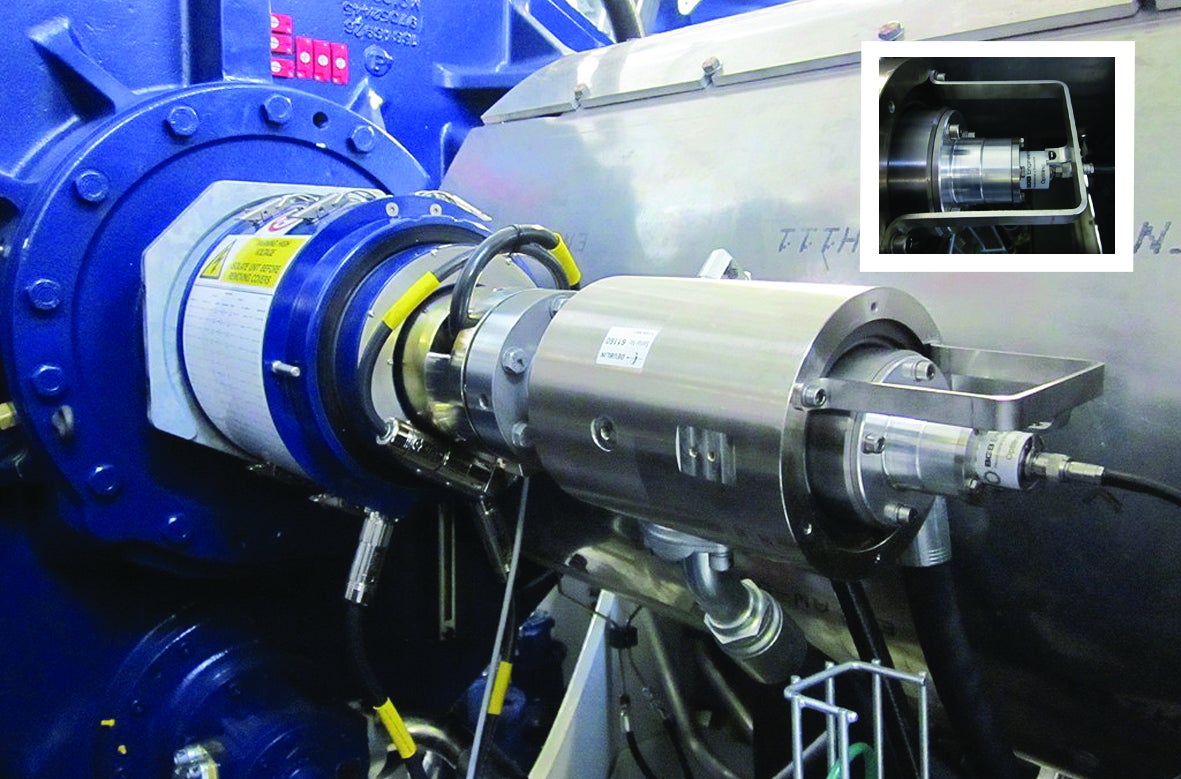
Facing rising reliability and data demands, the global wind industry is adopting fibre optic rotary joints (FORJs) to replace electrical slip rings, driving a commercial inflection in 2024–2025. FORJs provide gigabit-class, EMI-immune optical links that eliminate brush wear and lightning-induced faults, reducing unscheduled maintenance. Market research projects FORJ sector growth from about $725 million to $1.9 billion by 2033, while EPRI estimates U.S. unplanned wind O&M costs near $7.5 billion annually.
Key Points
- 1Adopt FORJs to replace electrical slip rings in turbine nacelles, enabling high-bandwidth optical rotary communications
- 2Eliminate mechanical wear and EMI-induced failures, improving signal fidelity and system uptime under harsh conditions
- 3Lower O&M costs and unscheduled downtime, supporting life-extension analytics and higher data-rate sensing
Scoring Rationale
Industry-scale adoption and market forecasts drive relevance, but single-source analysis and limited technical novelty temper the impact.
Practice interview problems based on real data
1,625 SQL & Python problems across 15 industry datasets — the exact type of data you work with.
Try 250 free problems