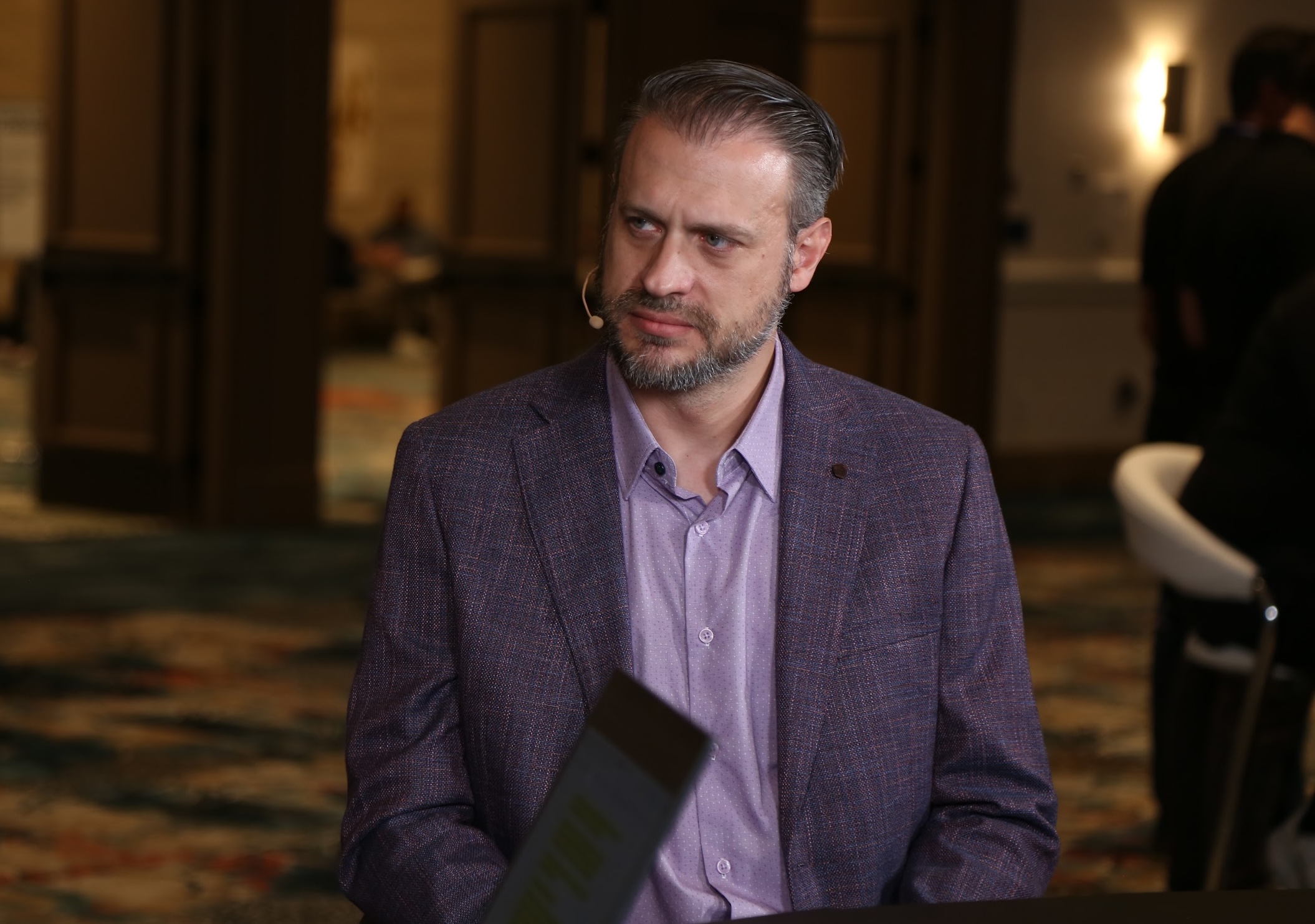
Fed Supervision Chief Says AI May Widen Credit Access With Risk-Calibrated Oversight

Federal Reserve Vice Chair for Supervision Michelle Bowman said AI could help financial institutions expand credit access, improve risk assessment, and lower service costs, while emphasizing compliance, model risk, consumer protection, and bias concerns. The remarks are Bowman's views in a policy speech, not a Federal Reserve rule, Board decision, or finding that AI systems already improve inclusion. LDS translates the opportunity into a lending-control framework: alternative-data provenance, fair-lending tests, adverse-action explanations, calibration by borrower cohort, monitored drift, human override, and a clear boundary between experimentation and decisions that affect credit access. Innovation should be supported in proportion to risk, but expanded model use needs evidence that benefits and errors are distributed fairly.
What happened
Federal Reserve Vice Chair for Supervision Michelle Bowman said AI could help financial institutions expand credit access, improve risk assessment, and lower service costs, while emphasizing compliance, model risk, consumer protection, and bias concerns. She argued that oversight should support responsible innovation and remain calibrated to the risk of the activity.
The remarks are Bowman's views in a policy speech. They are not a Federal Reserve rule, a Board decision, or evidence that AI-based underwriting already improves inclusion. The speech references broader work on responsible AI adoption, including consultation by the Financial Stability Board.
Policy context
AI can widen credit access only if new signals add reliable information without creating hidden proxies for protected characteristics or unstable behavior across economic conditions. Lower average error is not sufficient when mistakes disproportionately deny or overprice credit for specific groups.
| Control | Evidence a lender should retain |
|---|---|
| Data provenance | Source, consent, permitted use, refresh cadence, and missingness |
| Fair-lending testing | Approval, pricing, and error rates by legally relevant cohort |
| Explainability | Specific, truthful adverse-action reasons tied to the actual decision |
| Calibration | Predicted and observed risk by borrower segment and time period |
| Human override | Reviewer identity, reason, original score, and final decision |
| Drift monitoring | Feature, outcome, and policy changes across economic conditions |
| Vendor governance | Model version, data dependencies, incidents, and audit rights |
For practitioners
Alternative data should enter underwriting only through a documented use case. Teams should test whether each feature improves decisions after controlling for ordinary credit variables, whether it acts as a proxy, and whether performance remains stable for people with limited or nontraditional credit histories.
Adverse-action explanations must describe the real decision path. A generic model explanation that does not match the inputs and thresholds used for an individual decision is not meaningful transparency. Institutions should test explanation fidelity and retain the model, policy, and feature version used at decision time.
Risk-tiered oversight can distinguish low-impact assistance from decisions affecting eligibility, pricing, or account access. Summarization and analyst support may receive lighter controls, while autonomous or score-driven adverse actions need independent validation, monitoring, appeals, and accountable human review.
Editorial analysis
LDS interprets the speech as support for experimentation with explicit safeguards, not a regulatory endorsement of any model or dataset. The business case and inclusion case should be evaluated separately: a system can reduce operating cost without expanding fair access, or expand approvals while creating unacceptable pricing and error patterns.
The strongest implementation evidence would compare a new model against a policy baseline using approval quality, loss, price, explanations, cohort outcomes, and appeals. Institutions should report both improvements and harms rather than treating model adoption as the success metric.
What to watch
Watch for supervisory guidance, concrete examination expectations, final international sound practices, public fair-lending cases involving AI, and lender studies that disclose cohort-level outcomes rather than aggregate accuracy alone.
Key Points
- 1Bowman said AI may expand credit access while warning that compliance, bias, model risk, and consumer protection remain essential.
- 2The speech expresses her policy view; it is not a Federal Reserve rule, Board decision, or product endorsement.
- 3LDS recommends provenance, fair-lending tests, faithful explanations, cohort calibration, drift monitoring, overrides, appeals, and vendor audit rights.
Scoring Rationale
An impact score of 6.7 reflects an influential supervisory policy signal about AI lending, limited by its nonbinding speech format and absence of implementation evidence.
Sources
Primary source and supporting public references used for this report.
Practice with real Banking data
90 SQL & Python problems · 15 industry datasets
250 free problems · No credit card
See all Banking problems