Earth Fire Alliance Launches Operational FireSat Satellites
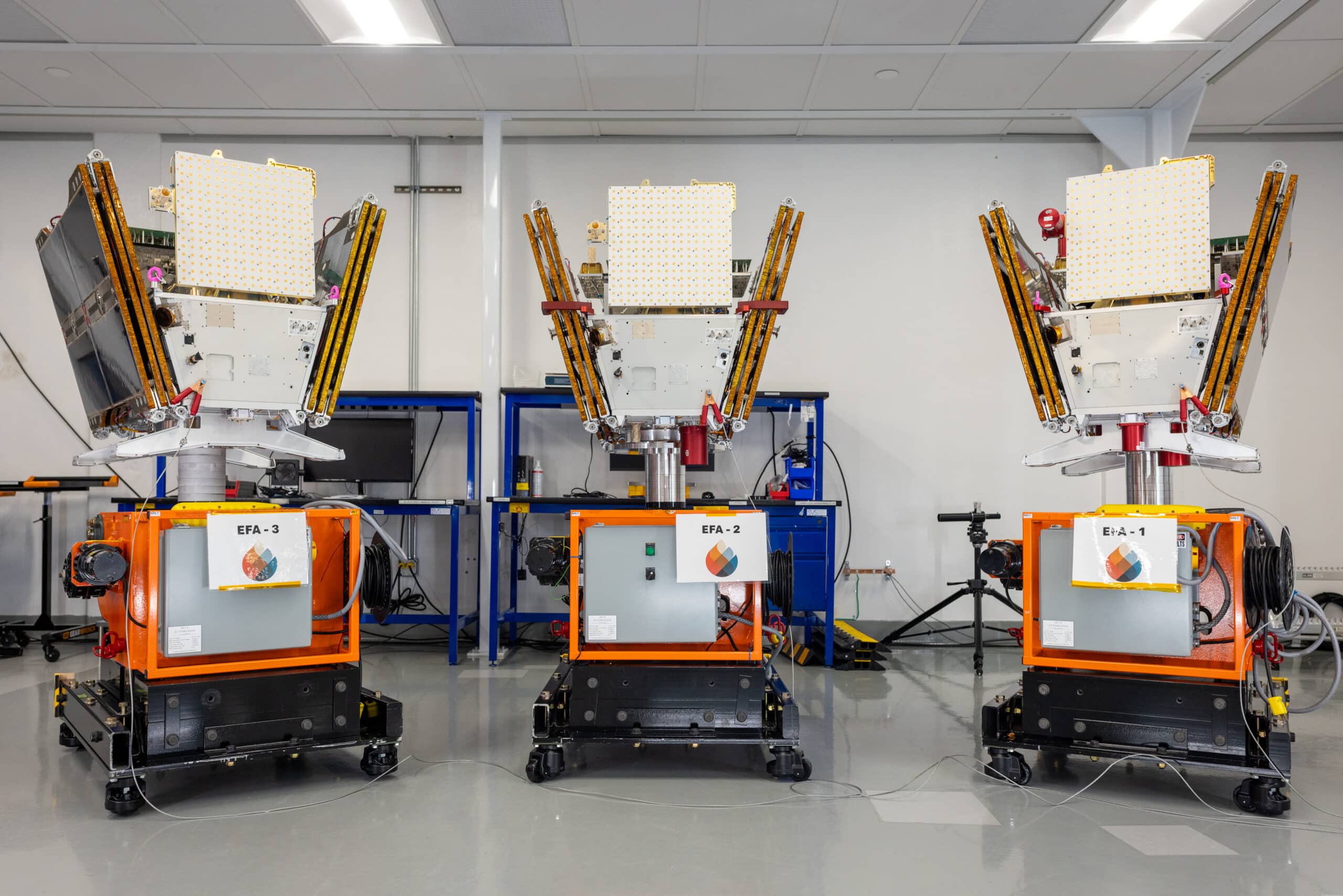
Earth Fire Alliance said on July 7, 2026 that its first three operational FireSat satellites reached orbit on SpaceX's Transporter-17 mission, moving the wildfire-detection constellation into initial operational capability. The system combines multispectral satellite sensing with AI-backed analysis so fire agencies and researchers can detect smaller fires earlier and build a more consistent global wildfire dataset. Google Research, Google.org, Muon Space, California fire agencies, and philanthropic partners are part of the broader effort, with early-adopter data expected after testing and checkout. For data-science teams, the significance is a new geospatial signal for emergency response, climate-risk modeling, insurance risk, forestry, and downstream wildfire analytics.
FireSat matters for data teams because it is not just another AI wildfire model; it is a purpose-built sensor network that can change the upstream data available for detection, triage, and fire science. The near-term signal is narrower than full constellation coverage: three satellites now start commissioning, while broader access depends on testing, early-adopter delivery, and future launches.
What happened
Earth Fire Alliance said on July 7, 2026 that its first three operational FireSat satellites reached orbit after launching from Vandenberg Space Force Base on SpaceX's Transporter-17 rideshare mission. EFA called the launch initial operational capability for the FireSat constellation. Muon Space designed and built the spacecraft, while Google Research and Google.org are among the technical and philanthropic partners supporting the program.
Technical context
The important AI and data-science angle is the upstream measurement layer. Google said the program is meant to create a wildfire dataset and detect early-stage fires that legacy satellite coverage can miss. Muon Space's GlobeNewswire release said the operational satellites carry a six-channel multispectral infrared payload and are intended to detect fires as small as five-by-five meters, including through smoke and clouds. Those are source-attributed capability claims, not proof that the full operational workflow is already broadly deployed.
For practitioners
If FireSat performs as planned, the practical opportunity is a more frequent, purpose-built geospatial feed for climate resilience, emergency response, insurance risk, forestry, and fire-behavior modeling. That does not remove the hard parts of deployment: agencies still need low-latency delivery, false-positive management, integration with incident-command tools, and clear handoffs from model signal to human action. The value is strongest where the satellite data becomes a dependable upstream input rather than a standalone dashboard.
What to watch
EFA says the three satellites will undergo about three months of testing and checkout before nominal operations, with early adopters expected to receive operational data in Q4 2026. The same rollout plan points to broader availability through 2027, global access targeted by 2028, a one-hour-or-better global revisit goal by 2029, and an ultimate 20-minute-or-better revisit target in the early 2030s. Those milestones should be treated as rollout targets until real user access and detection performance are visible.
Key Points
- 1Earth Fire Alliance launched three operational FireSat satellites, moving the wildfire-detection constellation into initial operational capability.
- 2The system pairs multispectral satellite sensing with AI-backed analysis to catch smaller fires and build a consistent dataset.
- 3Early-adopter data is expected after testing, while broader access depends on the 2027-2028 rollout schedule.
Scoring Rationale
Primary-source operational milestone for an AI-backed wildfire satellite constellation with Google Research, Google.org, Earth Fire Alliance, and Muon Space involvement. The impact is applied-ML data infrastructure: new multispectral observations for fire detection and geospatial risk modeling, with broad access still dependent on commissioning and rollout timing.
Sources
Public references used for this report.
Practice with real Ad Tech data
90 SQL & Python problems · 15 industry datasets
250 free problems · No credit card
See all Ad Tech problems