CAA Urges Meta to Tighten Muse Image Likeness Protections
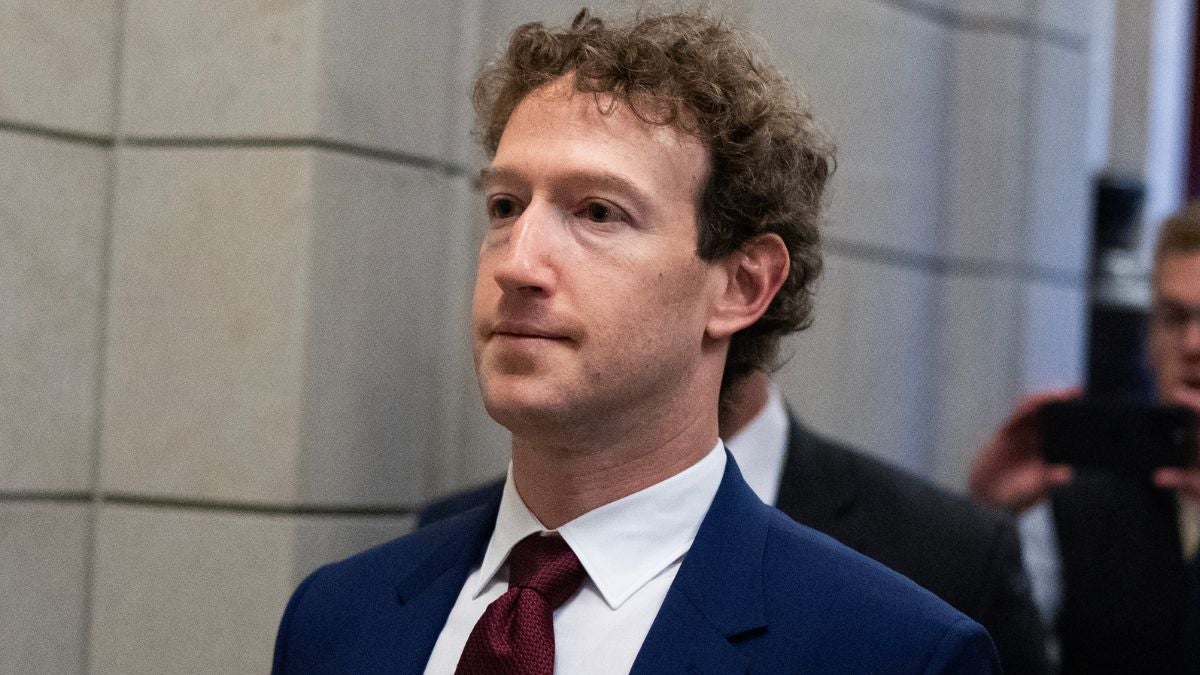
Creative Artists Agency urged Meta on July 8, 2026 to make protection the default for Muse Image and require clear, documented consent before third parties use a person's name, image, likeness, voice or creative work, according to TheWrap. The dispute matters for practitioners because Meta's new image generator can draw on Instagram and is rolling into Meta AI, Instagram and WhatsApp, while Business Insider and The Verge report public-account sharing and reuse controls are opt-out or settings-driven. The engineering takeaway is concrete: image-generation products increasingly need consent metadata, provenance signals, user-facing reuse controls and rapid takedown paths. The story is less about model quality than about operational safeguards around social-context image generation.
The useful signal is that likeness consent is becoming part of the image-generation product spec. For teams building or integrating social-context image tools, Muse Image shows how model capability, platform defaults, creator rights and takedown operations now have to be designed together.
What happened
TheWrap reported that Creative Artists Agency called on Meta to make protection the default for Muse Image and to require clear, documented consent before a person's name, image, likeness, voice or creative work is used by third parties, including AI models. The agency also called for restrictions, monitoring, disclosures and swift removal of unauthorized content.
Technical context
Meta's own launch materials describe Muse Image as powering image-generation and editing tools across Meta AI, Instagram and WhatsApp, with Muse models built for instruction following, editing and social-context creation. Business Insider and The Verge report that the Instagram-connected reuse controls are settings-driven, which is why creator groups are focusing on defaults and consent rather than only on output quality.
For practitioners
The operational requirements are concrete: products need consent metadata, provenance records, user-visible reuse controls, audit logs, abuse reporting and reliable takedown workflows. If those controls are bolted on after launch, trust-and-safety teams inherit a brittle moderation queue instead of a governed data pipeline.
What to watch
Watch whether Meta changes default reuse settings, publishes more detailed creator controls, adds machine-readable consent signals, or exposes appeal and takedown processes for unauthorized likeness use. Those implementation details will matter more than launch-day benchmark claims for teams assessing platform risk.
Key Points
- 1CAA's statement turns Muse Image from a launch story into a consent, likeness and creator-control governance issue.
- 2Practitioners should expect image-generation workflows to need consent metadata, provenance records, opt-out controls and takedown operations.
- 3Meta's Instagram-connected rollout makes default sharing and reuse settings the most important implementation detail to monitor.
Scoring Rationale
This is a notable governance and product-safety story for image generation because it connects Meta's social-context rollout with creator consent and likeness-control demands. The score stays at 6.7 because it is important for practitioners but does not yet include a regulatory action, lawsuit or confirmed product change.
Sources
Public references used for this report.
Practice with real Ad Tech data
90 SQL & Python problems · 15 industry datasets
250 free problems · No credit card
See all Ad Tech problems