DOJ Asks Court to Dismiss NAACP Suit Against xAI Data Center
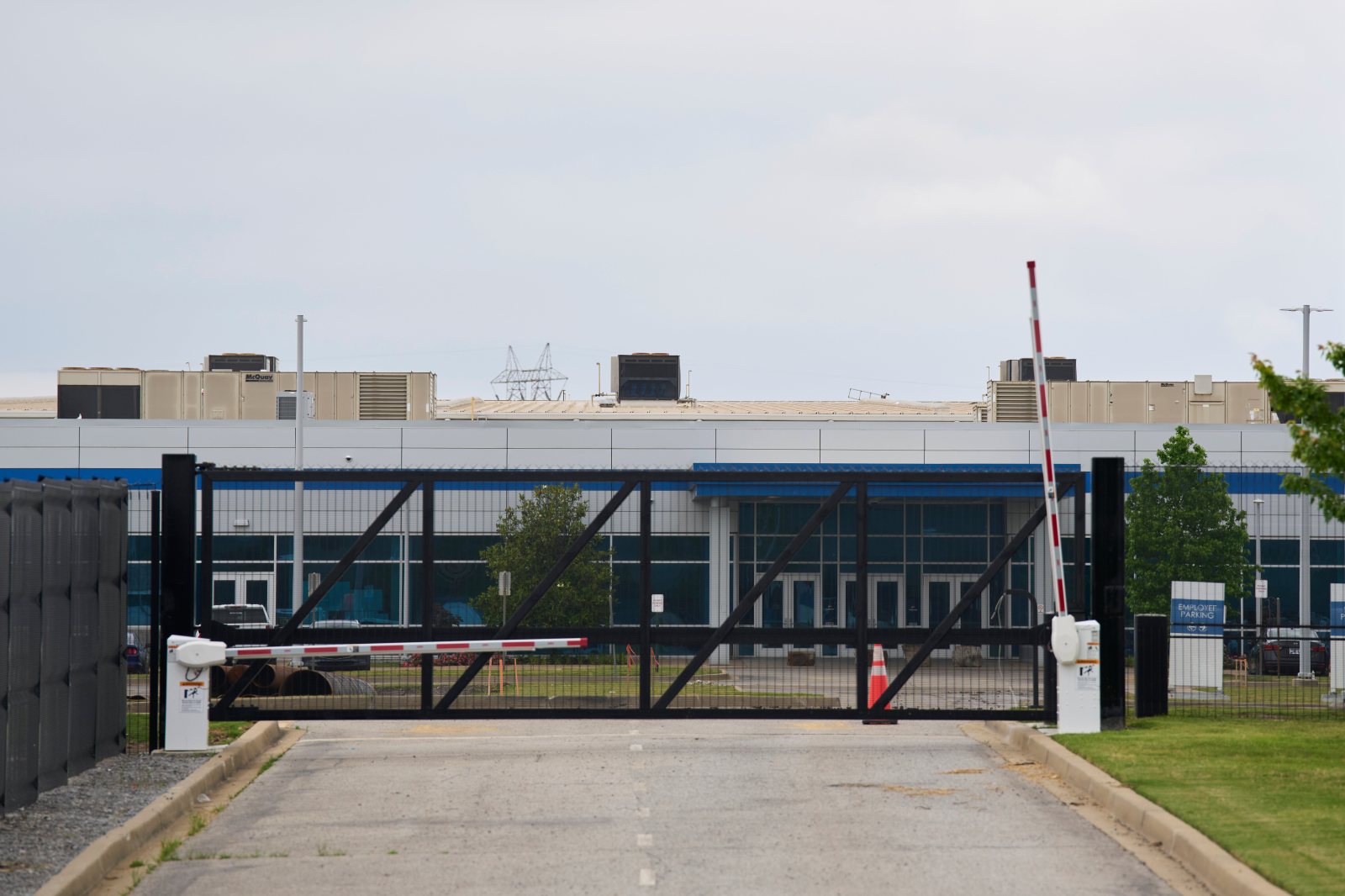
The U.S. Department of Justice intervened June 16 to seek dismissal of an NAACP lawsuit against xAI's Mississippi data center, framing local air pollution enforcement as a threat to national security. The NAACP, represented by the Southern Environmental Law Center, sued in April alleging xAI operated 27 unpermitted natural gas turbines at its Colossus 2 data center in Southaven, Mississippi - a number court filings show has since grown to 57, according to Mississippi Today. In its filing, the DOJ argued halting the turbines 'threatens American national, economic, and energy security,' citing xAI's Grok model as one of only four AI systems supporting classified U.S. military operations, including the Iran War. Mississippi Governor Tate Reeves and Cameron Stanley, the Defense Department's chief digital and AI officer, also submitted filings backing dismissal. NAACP Director of Environmental and Climate Justice Abre' Conner said the case is about preventing polluting industries from harming Black communities.
What happened
The U.S. Department of Justice filed a motion to intervene and asked a federal court in Mississippi to dismiss a lawsuit brought by the NAACP against xAI, according to Mississippi Today and CNBC. The NAACP sued in April, alleging xAI operated natural gas turbines powering its Colossus 2 data center in Southaven, Mississippi, without required air permits, Mississippi Today reports. The Southern Environmental Law Center (SELC), which represents the NAACP, later obtained emails showing the total number of turbines grew from 27 at the time of filing to 57, Engadget reports. The SELC asked the court to halt turbine operations pending an air permit. On June 16, the DOJ filed to intervene, arguing the NAACP's requested relief 'threatens American national, economic, and energy security by seeking to shut off the power supply for artificial-intelligence innovation that supports the Department of War's military operations,' per CNBC.
National security framing
Cameron Stanley, the Defense Department's chief digital and AI officer, submitted a separate declaration stating xAI's Grok Gov Model 'provides critical support' for U.S. military operations, including the Iran War, and that halting the turbines 'directly threatens ongoing national security interests,' according to Mississippi Today and Engadget. The DOJ's filing noted the government relies on only four AI models for mission-critical operations across classified networks, with Grok among them, Engadget reports. Mississippi Governor Tate Reeves also filed in support of dismissal, citing xAI's $20 billion investment in Mississippi data centers and arguing a shutdown would cause 'immediate and substantial disruption to the state's economy,' Mississippi Today reports.
Environmental and community context
Southaven residents have separately filed a class action lawsuit against xAI over noise from the turbines, detailing disrupted sleep and lowered property values, Mississippi Today reports. Memphis ranks second nationally in asthma-related emergency room visits per the Asthma and Allergy Foundation of America - a factor the NAACP's lawsuit highlights in arguing community health risk. Abre' Conner, NAACP Director of Environmental and Climate Justice, said: "At a time when the ultra-rich seem to be protected and supported by some of our government entities, it is important that polluting industries don't get to benefit at the expense of the health of Black communities. Laws like the Clean Air Act are a bedrock insurance policy for communities to hold polluters accountable for decisions that cause them harm," according to Mississippi Today.
Legal context
Under Mississippi rules, mobile generators do not require an air permit if operated less than one year, Mississippi Today reports. xAI argues it is using the mobile turbines temporarily until a permanent gas-fired power plant - permitted by the Mississippi Department of Environmental Quality in March - is completed early next year. xAI's motion also argues the Clean Air Act's citizen suit provision is unconstitutional, asserting only the executive branch may enforce federal law - an argument the U.S. Supreme Court has previously declined to address in two similar cases, per Mississippi Today. The filings came days after SpaceX, xAI's parent company, completed what was described as the largest IPO in history, Mississippi Today reports. The case has not been dismissed; the court must still rule on the intervention and dismissal motions.
Key Points
- 1DOJ filed to dismiss the NAACP suit, arguing xAI's Grok AI model supports classified U.S. military operations, including the Iran War.
- 2The NAACP argues 57 unpermitted gas turbines at xAI's Southaven facility violate the Clean Air Act and harm a high-asthma community near Memphis.
- 3The ruling could set precedent for whether national security claims can shield AI infrastructure from local environmental enforcement.
Scoring Rationale
The DOJ and Defense Department intervening to shield AI infrastructure from environmental enforcement - citing Grok's role in classified military operations including the Iran War - is a significant precedent for how national security framing intersects with AI data center regulation. The case matters to practitioners and policy observers tracking permitting, Clean Air Act enforcement, and the militarization of commercial AI infrastructure.
Sources
Public references used for this report.
Practice interview problems based on real data
1,625 SQL & Python problems across 15 industry datasets — the exact type of data you work with.
Try 250 free problems