DeepSeek launches DeepSeek-V4 to muted market response
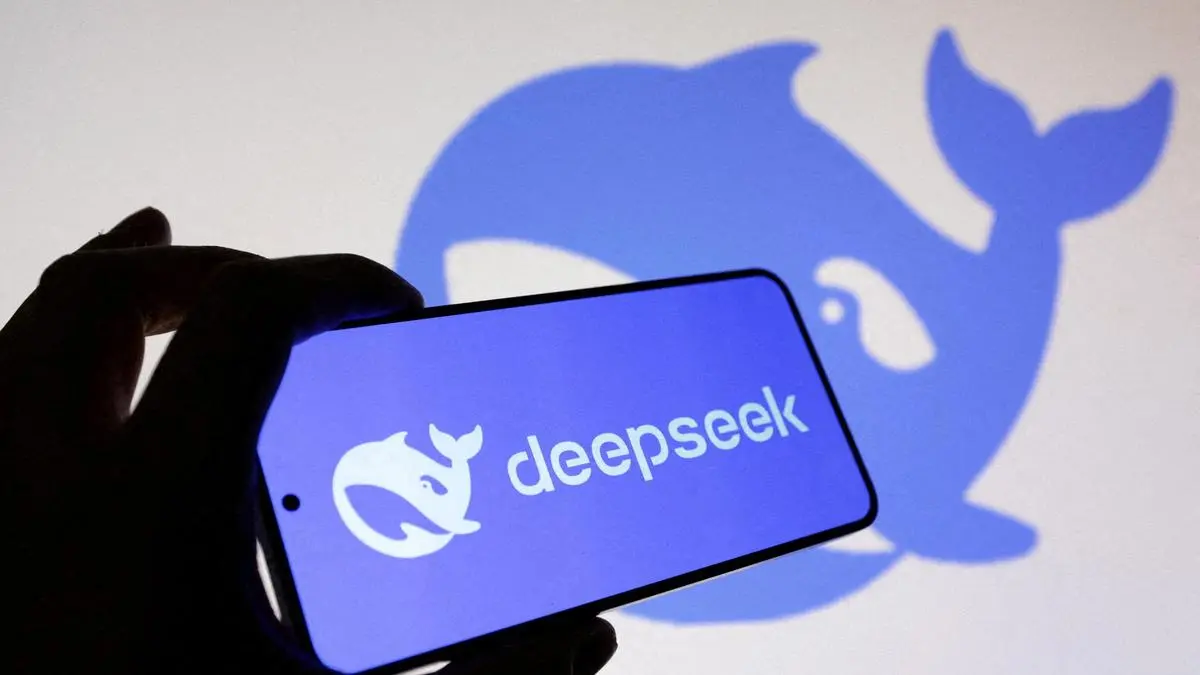
Reuters reports that DeepSeek launched its next-generation model, DeepSeek-V4, on Friday, but market reaction has been muted compared with the startup's breakout last year. Reuters notes the company's earlier releases, DeepSeek-V3 and R1, which the Hangzhou-based firm said were trained with a fraction of the compute used by U.S. rivals, triggered a global tech share selloff. Omdia analyst Lian Jye Su told Reuters, "This announcement followed a rather predictable path." Reuters cites benchmarking firm Artificial Analysis saying DeepSeek-V4 Pro shows meaningful improvement over prior versions but ranks among leading open-weight models rather than clearly outpacing rivals such as Kimi and Qwen. Reuters frames the release against a broader push for Chinese AI self-reliance.
What happened
Reuters reports that DeepSeek launched its next-generation model, DeepSeek-V4, on Friday. Reuters recounts that the company's prior releases, DeepSeek-V3 and R1, which the Hangzhou-based firm said were trained with a fraction of the computing power used by U.S. rivals, produced an outsized market reaction last year that contributed to a global tech share selloff. Reuters quotes Omdia analyst Lian Jye Su: "This announcement followed a rather predictable path." Reuters also reports that benchmarking firm Artificial Analysis finds DeepSeek-V4 Pro significantly improved over prior versions but placing it among leading open-weight models rather than clearly ahead of competitors such as Kimi and Qwen.
Editorial analysis - technical context
The market response described by Reuters is consistent with an industry shift from surprise breakthroughs to incremental architecture and efficiency gains. Companies and research groups have increasingly explored techniques that squeeze performance from lower compute budgets, producing a richer set of open-weight and efficient models. For practitioners, that means evaluation emphasis is shifting toward comparative benchmarks, inference cost, and task-specific behaviour rather than headline model size alone.
Industry context
Observed patterns in comparable product cycles show that an initial disruptive release can reset expectations, after which subsequent iterations are judged against a denser competitive set. Reuters places DeepSeek-V4 in that context, noting competitors narrowing gaps and China's policy emphasis on AI self-reliance taking market attention. Industry observers will read muted investor reaction as a sign that efficiency and parity across vendors are becoming baseline competitive factors rather than exceptional outsized events.
What to watch
Indicators to follow include third-party benchmark releases and head-to-head evaluations for DeepSeek-V4 Pro; reported inference cost and compute-efficiency metrics from independent testers; adoption signals from major Chinese enterprise customers and cloud providers; and comparative advances from named rivals like Kimi and Qwen. Reuters has not reported an official DeepSeek statement on the company's rationale for timing or roadmap beyond the launch announcement.
Key Points
- 1DeepSeek released DeepSeek-V4, but market reaction is muted compared with last year's breakthrough, per Reuters and industry quotes.
- 2Benchmarks from Artificial Analysis show DeepSeek-V4 Pro improves over predecessors yet sits among leading open-weight models, implying tighter competition.
- 3Industry pattern: early disruptive wins often give way to incremental gains and tighter benchmarking, shifting practitioner focus to cost and real-world performance.
Scoring Rationale
This is a notable model release from a high-profile Chinese startup, but Reuters reports the market response is muted and benchmarks position the model among peers rather than establishing clear leadership, making it relevant but not industry-shaking.
Sources
Public references used for this report.
Practice interview problems based on real data
1,625 SQL & Python problems across 15 industry datasets — the exact type of data you work with.
Try 250 free problems