Data centres drive Ottawa's major power requests
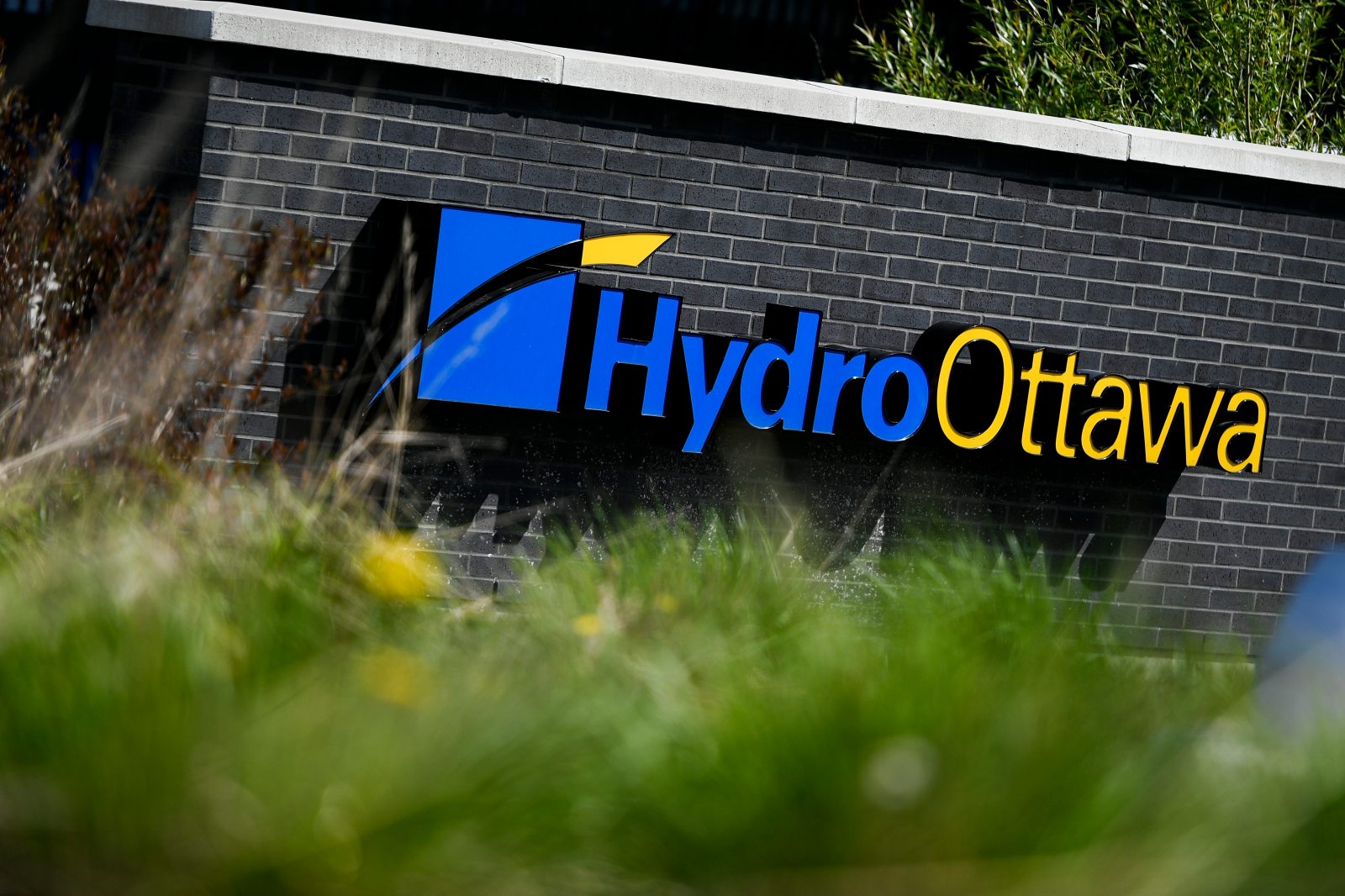
Hydro Ottawa CEO Bryce Conrad told Ottawa city council on June 24, 2026, that the utility is fielding an unprecedented volume of large-load electricity connection requests, with data centres accounting for roughly 60 per cent of the 1,075 megawatts sought by 34 projects - about 86 per cent of Hydro Ottawa's average system load last year, according to CBC News. The requestors are not large hyperscalers but smaller companies, including some working in generative AI, along with government customers seeking capacity for national defence. Conrad said requests will exceed the city's total current electricity use before year-end, while transformer procurement lead times have stretched from months to up to four years.
What happened
Hydro Ottawa CEO Bryce Conrad told Ottawa city council on June 24, 2026, that the utility is under what he described as "extraordinary pressure" from surging power connection requests, driven predominantly by data centres, according to CBC News. Customers are now seeking hookups for 34 large-load projects collectively requiring 1,075 megawatts - roughly 86 per cent of Hydro Ottawa's average system load last year - which Conrad called the highest volume in the company's history, per CBC News. About 60 per cent of those 1,075 MW are from data centres.
The requestors are not large hyperscalers such as Amazon, Microsoft, or Meta, Conrad told city council, but smaller companies - some working in generative AI - along with government customers requesting large connections for national defence purposes (CBC News). Conrad predicted that by the end of 2026, Hydro Ottawa will have received requests to connect that exceed the total power used today by all residents and businesses in Ottawa, CBC News reported.
Scale of the ask
Conrad framed the growth in stark terms at the council session: "We are being asked to build and support in the next two to three years what has taken us more the better part of 110 years to build, and to be clear, that growth is not expected to slow anytime soon. In fact, our expectation is that it will continue to scale exponentially," he said, per CBC News. Hydro Ottawa will need to double its capital investments over the next five years compared to the previous cycle to meet demand, CBC News reported.
Supply chain constraints
Beyond demand volume, Conrad highlighted severe supply chain obstacles. Transformers that once took six to nine months to procure now require two to four years in some cases, according to CBC News. Conrad attributed the delays partly to competition with much larger U.S. utilities procuring in bulk: "They're buying 300 transformers, where we're buying 15," he said (CBC News).
Industry context
Editorial analysis: Concentrated electricity demand from AI-adjacent compute infrastructure is an emerging constraint for urban distribution utilities globally. The Ottawa situation - where smaller generative AI operators and government agencies, not hyperscalers, are driving bulk new requests - indicates that AI-compute deployment is broadening well beyond the largest cloud providers. For practitioners evaluating colocation or on-premise data centre options, regional utility capacity, grid connection timelines, and transformer supply chains are increasingly material inputs to infrastructure planning.
What to watch
Observers should track Hydro Ottawa's capacity expansion plans, provincial grid support from Ontario's IESO, and whether the utility's approval backlog slows connection timelines for incoming projects. Similar supply-demand imbalances are visible in other North American utilities serving data-centre-dense regions, suggesting a recurring structural constraint rather than a local anomaly.
Key Points
- 1Hydro Ottawa is fielding 1,075 MW in large-load connection requests from 34 projects - 86% of its current system load - with data centres representing 60% of that volume, per CBC News.
- 2By end of 2026, total connection requests will exceed current Ottawa-wide electricity consumption; transformer lead times have stretched from months to up to four years (CBC News).
- 3Smaller generative AI companies and government customers, not large hyperscalers, are driving the bulk of new demand - widening AI infrastructure pressure beyond the biggest cloud providers.
Scoring Rationale
A city-level utility story, but the specific data points - 1,075 MW in pending requests equalling 86% of current load, with requests projected to exceed total Ottawa electricity use by year-end - illustrate the AI-compute infrastructure demand crunch in concrete terms. Relevant to practitioners evaluating data-centre site selection and utility capacity, but not a sector-shifting event.
Sources
Public references used for this report.
Practice interview problems based on real data
1,625 SQL & Python problems across 15 industry datasets — the exact type of data you work with.
Try 250 free problems