
Google Automates Gemini Notebook Source Additions
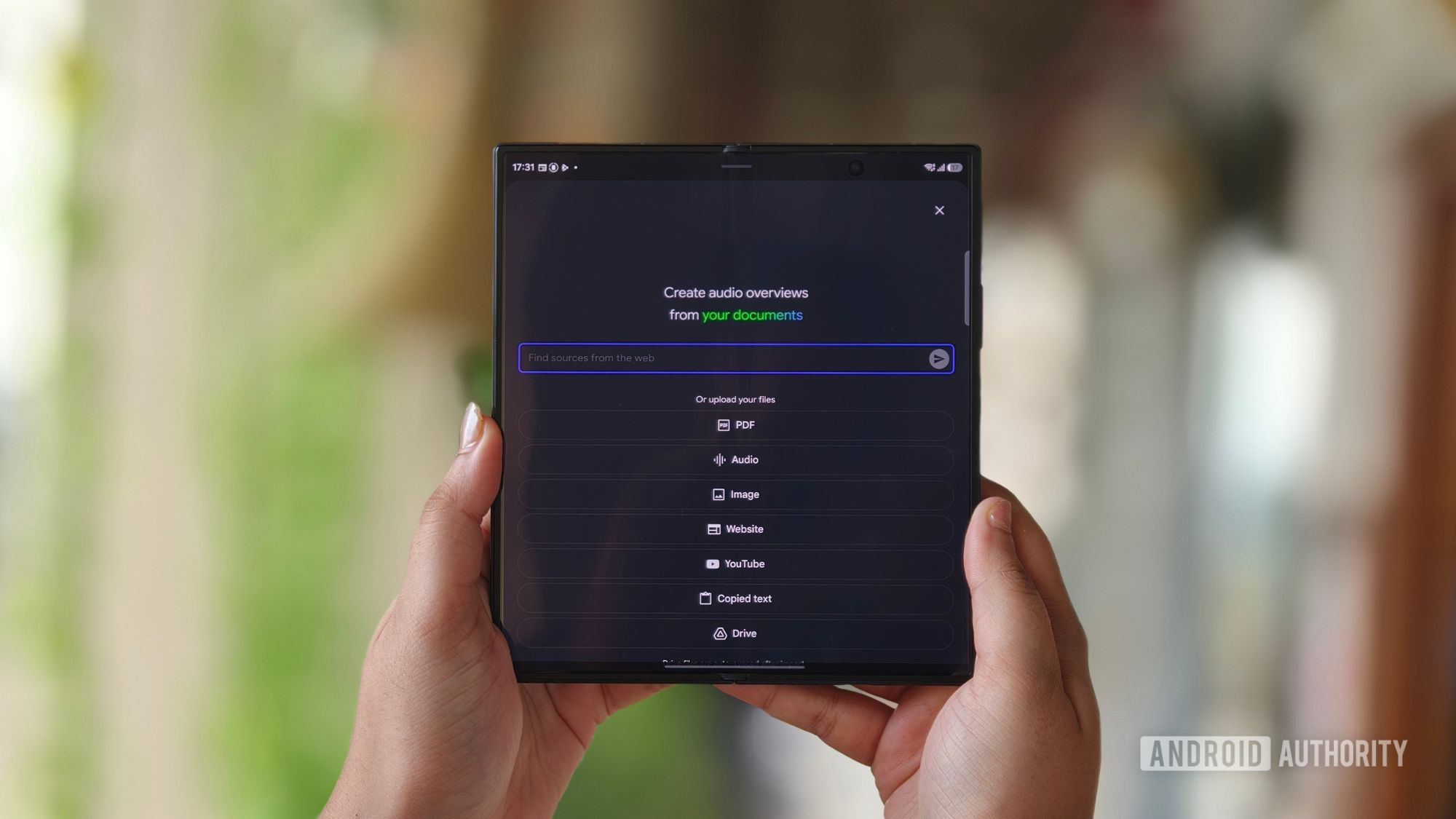
Google began a gradual rollout on August 6, 2026, of an "Add a source to Gemini Notebook" step in Workspace Studio. According to Google's Workspace Updates post, the step can add text, Drive file links, and generic YouTube or web URLs to Gemini Notebooks as part of recurring workflows. The feature is available to eligible Business, Enterprise, and Education customers.
Google has begun gradually rolling out an "Add a source to Gemini Notebook" step for Workspace Studio, enabling users to automate source additions to Gemini Notebooks. The rollout started on August 6 and may take up to 15 business days before the feature is visible, according to Google's Workspace Updates post.
Historically, sources had to be added to Gemini Notebooks individually. Google states that the new Workspace Studio step can add text, links to Google Drive files, and generic YouTube or web URLs. The step can be placed in recurring workflows, which Google describes as a way to keep notebook sources current.
Availability and administration
The feature is enabled by default for organizations that allow Gemini for Google Workspace steps, Google states. It is available to the following Workspace customer tiers:
- •Business Starter, Standard, and Plus
- •Enterprise Standard and Plus
- •Education Fundamentals, Standard, and Plus
- •Google AI Pro for Education and Teaching and Learning add-ons
- •AI Expanded Access
Android Authority reports that personal Google accounts are not included in the listed availability tiers.
Workflow implications
For teams using notebooks as grounded reference collections, automated ingestion can reduce the operational overhead of repeatedly attaching updated documents and links. In comparable retrieval-augmented workflows, however, scheduled source collection makes source governance more consequential: practitioners commonly need to validate URL quality, document permissions, duplication behavior, and the freshness of material entering a knowledge base.
Google's announcement describes source addition rather than changes to retrieval, citation behavior, notebook reasoning, or access-control enforcement. Teams evaluating the feature therefore have limited public detail on how the automated step handles inaccessible Drive items, modified web pages, duplicate inputs, or failed workflow runs.
Key Points
- 1Google's new Workspace Studio step automates Gemini Notebook source additions from text, Drive links, YouTube URLs, and web URLs.
- 2The gradual rollout began August 6 and can take up to 15 business days, affecting deployment timing for Workspace administrators.
- 3Automated knowledge ingestion generally reduces manual maintenance while increasing the importance of source permissions, freshness checks, and duplicate-control practices.
Scoring Rationale
This is a practical workflow automation update for organizations using Gemini Notebooks as maintained knowledge collections. It does not introduce a new model or retrieval capability, but it can reduce manual source-management work for eligible Workspace customers.
Sources
Primary source and supporting public references used for this report.
Practice interview problems based on real data
1,625 SQL & Python problems across 15 industry datasets — the exact type of data you work with.
Try 250 free problems

