CrowdStrike Maps Detection Gaps in SANDWORM_MODE

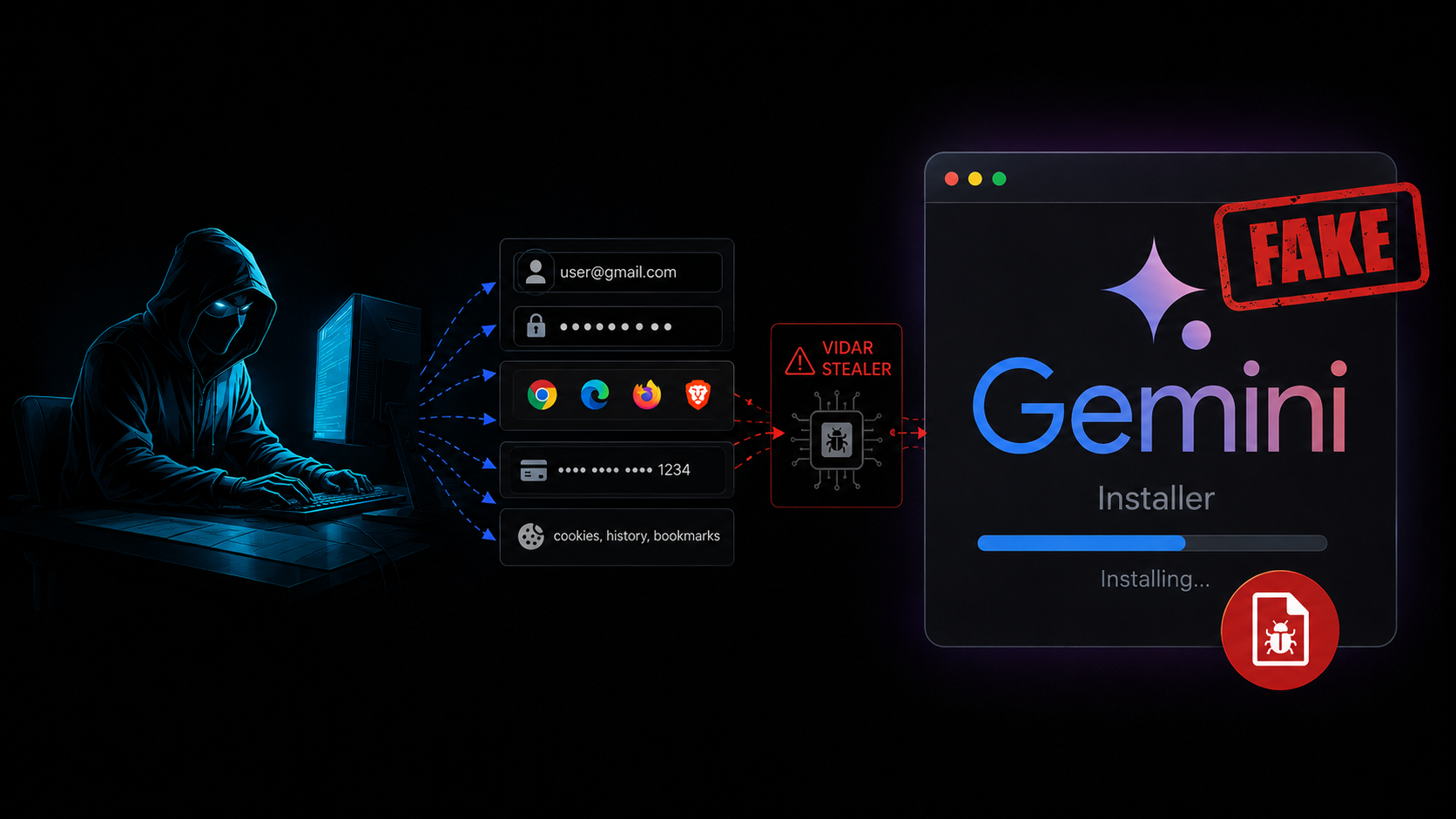
CrowdStrike published a July 21 detection analysis of SANDWORM_MODE, a self-propagating npm supply-chain worm that abuses AI coding, CI/CD and LLM-toolchain workflows. Nine of 14 examined behaviors produced some detectable signal, but only two met the bar for customer-visible alerts. A 48- to 96-hour delay and activity that resembles legitimate automation make environment-specific baselines central to detection.
CrowdStrike has published a detection analysis of SANDWORM_MODE, a self-propagating npm supply-chain worm that targets AI-assisted software development and CI/CD environments. Reporting by Dark Reading and CyberScoop describes an attack that blends credential theft, package propagation, and use of trusted automation workflows.
According to CyberScoop, SANDWORM_MODE was first identified in February and can target credentials and secrets associated with AI assistants, cloud providers, CI/CD systems, automated build and publishing systems, and API keys for nine major LLM providers. Dark Reading reports that the campaign spread through 19 malicious npm packages.
Sonatype describes the malware as a Shai-Hulud-style supply-chain worm distributed through typosquatted npm packages. Its account says the malicious code collected npm and GitHub tokens, environment variables, cryptographic keys, and API credentials, then used stolen identities to propagate into additional repositories and republish compromised packages.
Detection results expose a telemetry problem
Dark Reading reports that CrowdStrike evaluated 14 SANDWORM_MODE behaviors. Nine generated some detectable signal, but only two produced signals reliable enough to trigger customer alerts, according to the outlet's account of the research. The remaining behaviors resembled legitimate development and automation activity too closely to distinguish reliably.
CrowdStrike researcher John Prieto wrote, as quoted by Dark Reading, that the campaign "forces a recalibration of expectations for endpoint detection in AI-augmented environments." Prieto added that anomaly detection requires an understanding of normal deployments, AI-assistant configuration writes, and LLM API-key usage within an individual environment.
CyberScoop reported that the worm can introduce multi-day delays between initial access and subsequent activity. Adam Meyers, CrowdStrike's senior vice president of counter adversary operations, told CyberScoop that finding malicious activity is difficult amid the volume of routine commands in AI-enabled development environments.
What the attack pattern changes for defenders
The reported techniques matter because package installation, environment-variable access, repository activity, CI execution, and calls to model-provider APIs can all be legitimate parts of a software delivery workflow. In comparable supply-chain incidents, endpoint-only rules can produce limited confidence when the malicious sequence uses valid credentials and approved automation.
For security and platform teams, the reported detection gap places greater weight on correlating signals across the software supply chain rather than treating each developer or CI event in isolation. Useful investigation context can include package provenance, first-seen dependencies, unexpected publishing activity, changes to CI definitions, secrets-access patterns, and outbound network behavior from build runners.
The case also illustrates a broader challenge for AI engineering environments: LLM-provider credentials and agent configuration can become part of the same identity and secrets surface already exposed through npm, source control, cloud access, and CI/CD. The CrowdStrike analysis, as summarized by Dark Reading, indicates that behavioral baselines for these newer telemetry sources are still being established across the industry.
Key Points
- 1CrowdStrike's analysis found alert-quality telemetry for only two of 14 examined SANDWORM_MODE behaviors, limiting conventional endpoint detection coverage.
- 2The npm worm reportedly combines credential theft, repository propagation, CI/CD abuse, and LLM-provider key targeting across AI development environments.
- 3Comparable supply-chain attacks reward cross-system correlation because legitimate developer automation can resemble malicious activity when valid credentials are abused.
Scoring Rationale
This is a significant security finding for ML and platform teams operating AI-assisted development pipelines, especially where CI systems hold model-provider and cloud credentials. The reported detection gaps are directly relevant to telemetry design, secrets management, package governance, and incident response.
Sources
Primary source and supporting public references used for this report.
View 4 more sources
- Attackers Are Learning to Live Off the AI Toolchaindarkreading.com
- Malware is targeting AI tools in software development environmentscyberscoop.com
- SANDWORM_MODE: Shai-Hulud-Style npm Worm Hijacks CI Workflows and Poisons AI Toolchainssocket.dev
- SANDWORM_MODE: The Rise of Adaptive Supply Chain Wormssonatype.com
Practice interview problems based on real data
1,625 SQL & Python problems across 15 industry datasets — the exact type of data you work with.
Try 250 free problems