China Reported to Use AI to Shape Tibet Narrative
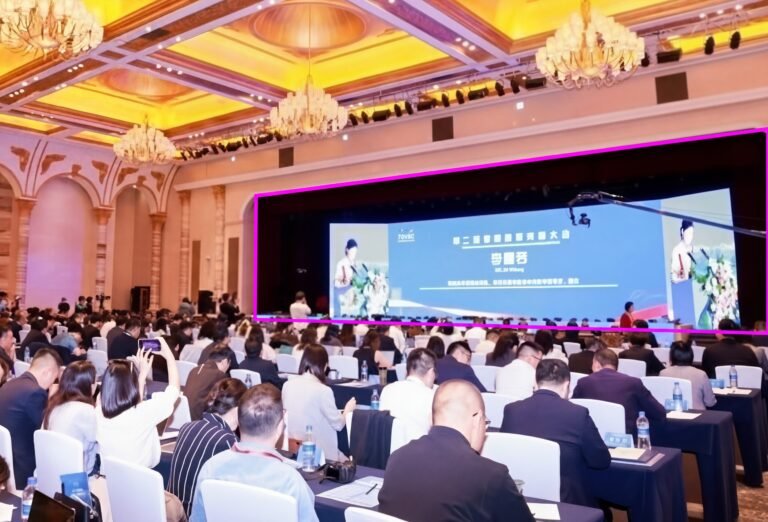
Bitter Winter reported on July 9, 2026 that China-linked Tibet communication efforts are using AI, big-data analytics and algorithmic distribution to shape international narratives around Xizang/Tibet. The article centers on a June Lhasa conference and aligns with SCMP reporting that more than 300 media, government and academic participants discussed adapting Tibet messaging to recommendation engines. For AI security and governance teams, the takeaway is operational: narrative influence is increasingly a data pipeline problem involving audience profiling, synthetic content risk, platform amplification and provenance gaps. Because the core story is advocacy-led, LDS should keep claims attributed and avoid treating intent beyond the reported conference record as independently proven.
The practitioner signal is that influence operations increasingly look like data products: audience profiling, message testing, synthetic-media risk, platform optimization and cross-border distribution all become part of the same narrative pipeline. This story is important, but it needs careful attribution because the main framing comes from advocacy and specialist reporting.
What happened
Bitter Winter reported on July 9, 2026 that a June conference in Lhasa on international communication around Xizang/Tibet emphasized big data analytics, audience profiling, artificial intelligence and algorithm-driven content dissemination. SCMP separately reported on the Second Xizang International Communication Conference in June, saying more than 300 media professionals, officials and academics attended and that speakers discussed adapting Tibet messaging to recommendation systems.
Security context
The relevant AI risk is not only one piece of generated content. It is the combination of content production, platform distribution, localization and measurement that can make state-aligned narratives harder to attribute and harder to separate from organic discussion. The CECC's 2026 report on PRC transnational repression and malign influence also frames narrative-shaping, intimidation and digital tactics as part of a broader overseas influence toolkit.
For practitioners
Detection teams should treat these campaigns as network and provenance problems. Multilingual monitoring, coordination signals, account behavior, media lineage and cross-platform amplification may matter more than classifying a single image or paragraph as AI-generated. That shifts the work toward data engineering, graph analysis and resilient provenance systems.
What to watch
Watch for independently documented examples of AI-generated media, automated accounts or targeted distribution tied to Tibet narratives. Also watch whether platforms, researchers or civil-society groups can publish evidence that distinguishes coordinated influence activity from state messaging, advocacy, tourism promotion or ordinary political speech.
Key Points
- 1Bitter Winter links the Lhasa conference to AI-assisted audience profiling, content targeting and algorithm-aware Tibet messaging.
- 2SCMP independently reported that the conference discussed adapting China's Tibet narrative to platform recommendation systems.
- 3Security teams should frame this as influence infrastructure, where provenance, coordination and multilingual detection matter more than one post.
Scoring Rationale
This is a solid AI security and governance story because it connects AI-enabled content operations, platform algorithms and state-linked narrative competition around Tibet. The score stays moderate because the main article is advocacy-led and the available public evidence supports cautious attribution rather than a confirmed technical campaign with disclosed indicators.
Sources
Public references used for this report.
Practice interview problems based on real data
1,625 SQL & Python problems across 15 industry datasets — the exact type of data you work with.
Try 250 free problems