Canada Seeks Regional, Systems-Level Change for Agricultural AI
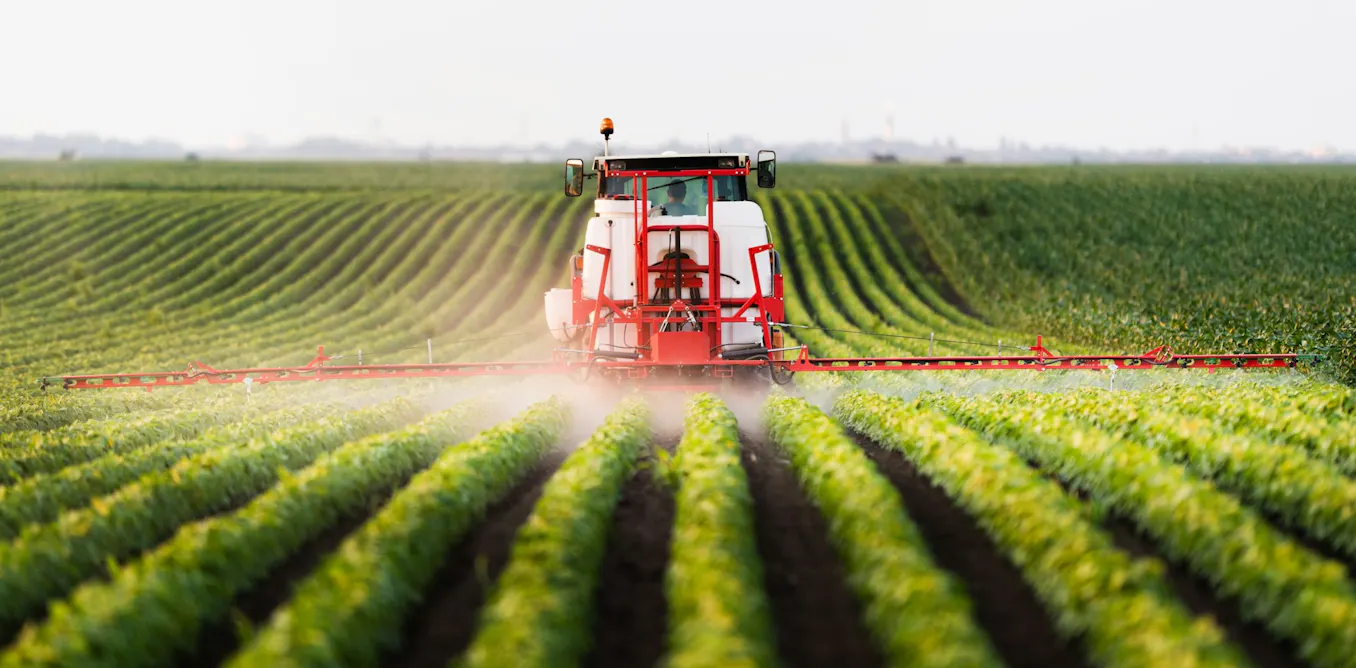
The Conversation reports Canada has developed sophisticated AI tools for agriculture but lacks the systems and regional supports farmers need to understand, integrate and trust them. The article cites a review led by Charles Conteh, Professor of Public Policy and Administration at Brock University, of agricultural automation and robotics in Ontario that found technical availability did not translate to adoption because of broader structural constraints. The Conversation notes the agricultural AI market is projected to reach almost US$47 billion by 2034. Reported barriers include limited farmer awareness of available tools, gaps in extension and advisory networks, interoperability and data-governance challenges, and uneven regional capacity for adoption.
What happened
The Conversation published a feature by Charles Conteh, Professor of Public Policy and Administration at Brock University, arguing Canada has many technically advanced AI-enabled agricultural tools but lacks the supporting systems farmers need to adopt them. According to the article, Conteh led a review of agricultural automation and robotics in Ontario that found commercially available technologies were constrained in uptake by structural factors. The Conversation reports the agricultural AI market could reach almost US$47 billion by 2034.
Editorial analysis - technical context
Industry-pattern observations: AI in agriculture commonly bundles multiple data streams, smart sensors, drones, satellite imagery and on-farm telemetry, which require end-to-end integration, from data ingestion to decision support. When regional extension services, interoperable data standards and local technical support are weak, these integrated pipelines fail to deliver value at farm scale.
Context and significance
The article frames the problem as systemic rather than purely technical. For practitioners building models and platforms, this means accuracy or novel algorithms alone are insufficient; deployment depends on user-facing documentation, explainability, interoperability, and fit with existing advisory networks.
What to watch
Industry observers should monitor investments in regional extension capacity, pilots that pair technology vendors with local advisors, and Canadian policy moves addressing data governance and interoperability, all of which the article highlights as critical enablers for broader farmer adoption.
Key Points
- 1Tools are available but adoption stalls when regional extension and advisory networks are weak, reducing farm-level impact.
- 2Interoperability and data-governance gaps often block AI pipelines, increasing integration costs for practitioners.
- 3Designing for farmer trust requires explainability, local validation and partnerships with on-the-ground advisors.
Scoring Rationale
An analysis essay in The Conversation, grounded in Charles Conteh's multi-year Brock University study of agricultural automation in Ontario, arguing that adoption stalls on weak regional extension, interoperability and data-governance rather than technical limits. It offers useful deployment and adoption lessons for ag-AI practitioners but is commentary scoped to Canada with no new model, deployment, or funding, placing it in the solid tier rather than the higher notable score it previously held.
Sources
Public references used for this report.
Practice with real Ad Tech data
90 SQL & Python problems · 15 industry datasets
250 free problems · No credit card
See all Ad Tech problems