Broadcom Posts AI Revenue Surge, Triggers Investor Reassessment
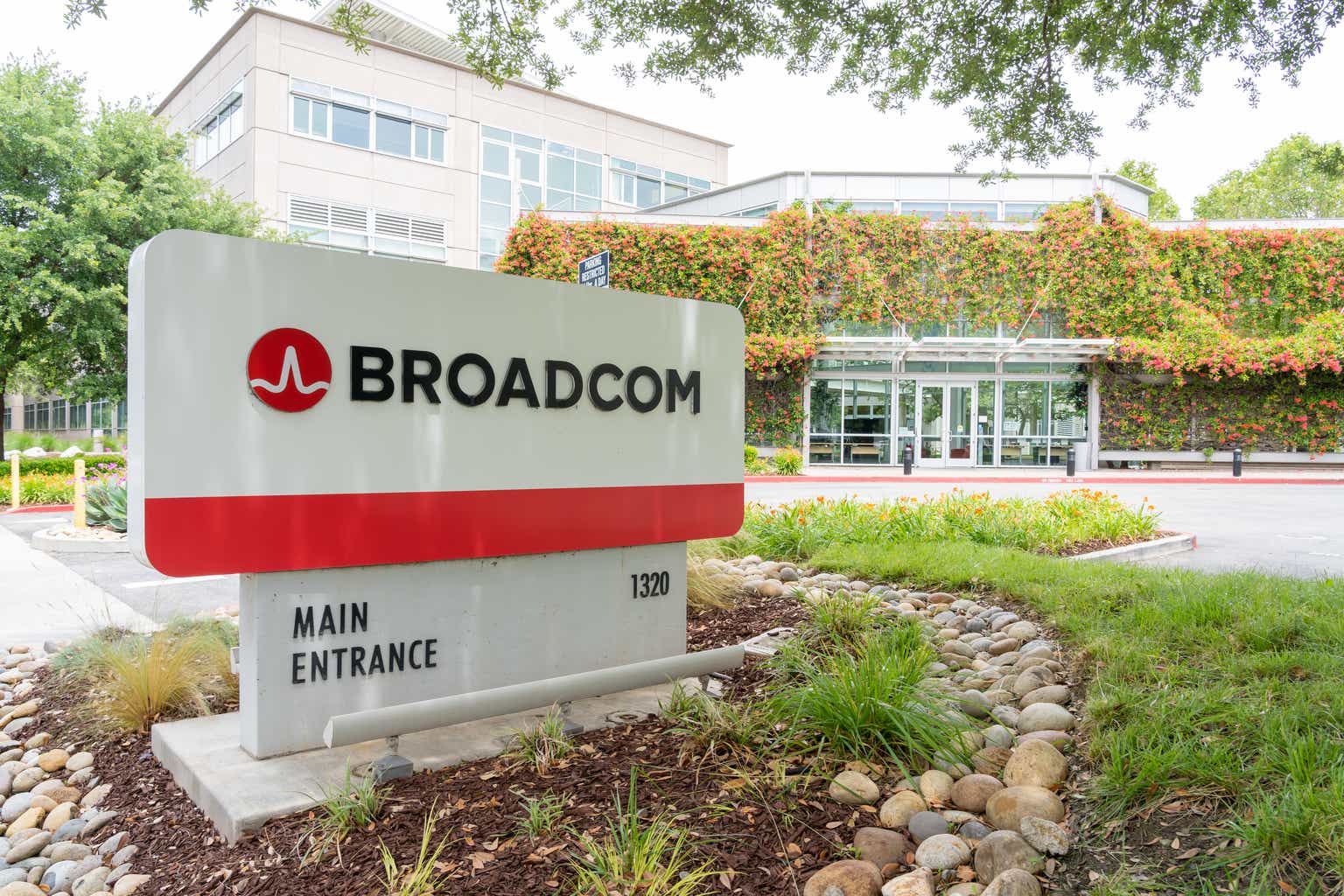
Broadcom reported record fiscal Q2 revenue of $22.2 billion, up 48% year over year, with AI semiconductor revenue of $10.8 billion, up 143%, according to the company's June 3 results and coverage by CNBC. Broadcom guided to even faster AI growth, projecting AI chip revenue above $16 billion next quarter (more than 200% year-over-year growth) and total revenue of about $29.4 billion, and it reiterated expectations for roughly $56 billion in AI semiconductor revenue this fiscal year. Despite the beat, shares fell after the report as analysts weighed customer concentration, with AI revenue reported to be concentrated among a handful of large customers, and previously reported friction in a custom-chip deal with OpenAI. Investing.com and Forbes also flagged legal and integration risks tied to the VMware acquisition.
What happened
Broadcom reported record fiscal second-quarter results on June 3, posting revenue of $22.2 billion, up 48% year over year, and AI semiconductor revenue of $10.8 billion, up 143%, according to the company's results and coverage by CNBC. Management attributed the AI growth to rising demand for custom AI accelerators (XPUs) and AI networking. The company guided to continued acceleration, projecting AI semiconductor revenue above $16 billion in the current quarter, growth of more than 200% year over year, and total revenue of roughly $29.4 billion, and it pointed to approximately $56 billion in AI semiconductor revenue for the full fiscal year.
Why the stock fell anyway
Despite the beat and raised outlook, shares declined after the report. Coverage from Seeking Alpha and Investing.com attributes the sell-off to valuation and concentration concerns rather than the headline numbers. Seeking Alpha reports that Broadcom's AI revenue is concentrated among a small number of large customers, which public-market analysts treat as a risk to revenue predictability. Investing.com framed the quarter as strong AI results that mask softer signals elsewhere in the business.
The OpenAI deal overhang
Separately, Tikr reported earlier in the year that Broadcom's custom AI chip program with OpenAI, referred to as Project Nexus, hit an approximately $18 billion financing roadblock, and that a major customer had not committed to purchasing a portion of first-phase output. That reporting predates this earnings release and remains attributed context rather than confirmed by the company, but it illustrates how dependent large custom-silicon engagements are on customer commitments and external financing.
VMware and concentration risks
Forbes and Investing.com have flagged legal, pricing, and integration questions tied to Broadcom's VMware acquisition, including disputes over subscription bundling, as variables that could affect software revenue durability. Combined with AI customer concentration, these are the structural risks analysts are weighing against the growth story.
Why it matters for practitioners
Editorial analysis - industry pattern
Broadcom's results are one of the clearest demand signals in the AI hardware supply chain, and the guidance implies sustained, heavy spending on custom accelerators by a few hyperscale buyers. For teams planning AI infrastructure, rapid custom-XPU adoption tends to raise customer-concentration and deployment-timing risk; supply can be lumpy and tied to specific customers' design choices even when aggregate demand is strong. That argues for procurement flexibility and attention to lead times.
What to watch
- •Whether next-quarter AI revenue lands near the guided $16 billion, and how guidance evolves toward the cited full-year figure of about $56 billion.
- •Any customer-specific disclosures on long-lead XPU orders in earnings materials.
- •Resolution or restructuring of the reported Project Nexus financing issue.
- •Legal and regulatory developments around VMware pricing and integration.
Key Points
- 1Broadcom posted record Q2 revenue of $22.2 billion (up 48%) and AI semiconductor revenue of $10.8 billion, up 143% year over year.
- 2Surging demand for custom AI accelerators and networking drove the gains, with guidance pointing to AI chip revenue above $16 billion next quarter.
- 3Concentrated AI customers and custom-deal financing risk temper the read, signaling procurement and capacity-planning caution for AI-infrastructure buyers.
Scoring Rationale
Broadcom's record AI semiconductor revenue, up 143% year over year to $10.8 billion with guidance toward roughly $56 billion this fiscal year, is a major demand signal for AI infrastructure and custom accelerators, directly relevant to anyone planning compute capacity. It is an earnings event rather than a paradigm shift, and customer-concentration and deal-financing risks temper the read, placing it in the notable/major band.
Sources
Public references used for this report.
Practice with real Ad Tech data
90 SQL & Python problems · 15 industry datasets
250 free problems · No credit card
See all Ad Tech problems