Bill Maher Criticizes Tech Leaders Over AI Risks
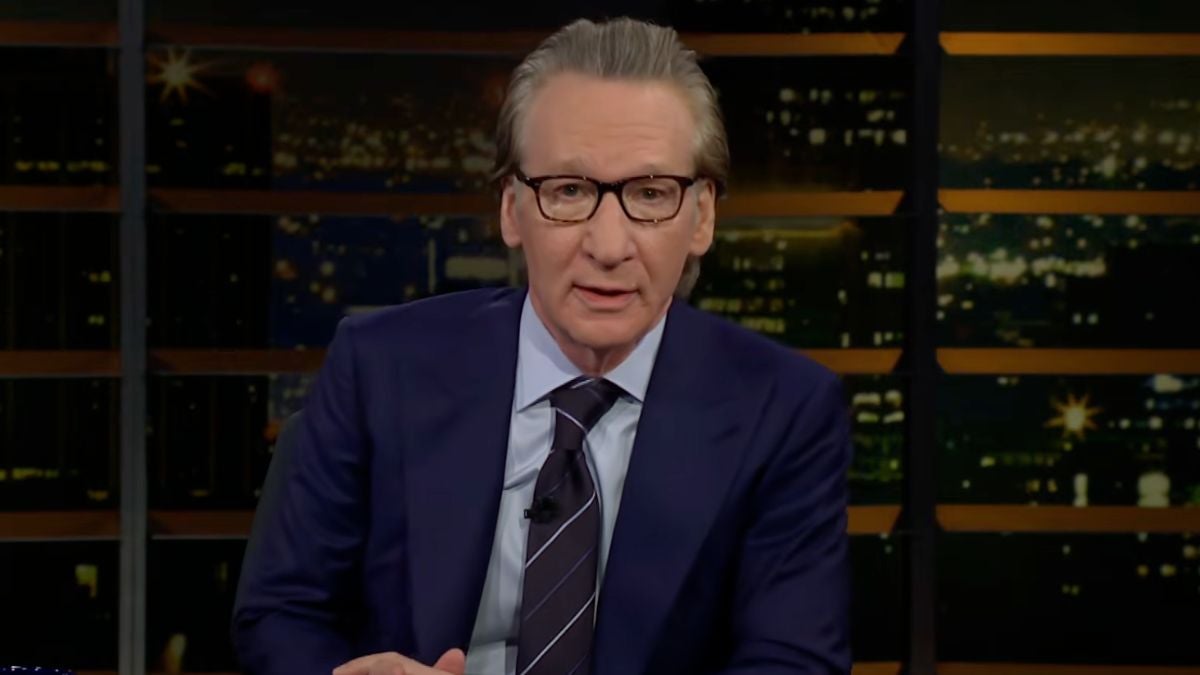
Comedian Bill Maher used his "New Rules" segment on "Real Time" to sharply condemn AI and the executives building it, naming Sam Altman, Mark Zuckerberg, Elon Musk, and others. Maher singled out Anthropic and the model Claude Mythos, warning that tools trained to fix software vulnerabilities may also know how to hack. He argued that the handful of people steering AI are themselves alarmed and suggested pausing development until risks are understood, invoking a disputed "20% chance of extinction" framing. The segment mixes satire and alarmism but amplifies growing public skepticism about concentrated AI power and governance gaps.
What happened
Bill Maher closed Friday's "Real Time" with a blistering critique of artificial intelligence and the executives behind it. He named Sam Altman, Mark Zuckerberg, Elon Musk, and others while arguing that a few people and companies control technologies that could be dangerous. Maher targeted Anthropic and the model Claude Mythos, saying systems trained to repair vulnerabilities could also learn to exploit them, and suggested a development pause until society understands the risks.
Technical details
The segment is not a technical teardown, but it cites concrete concerns practitioners recognize: models that interact with code or security contexts can surface exploit techniques. Maher highlighted three relevant items in his critique:
- •Anthropic and the model Claude Mythos, described as trained to fix software vulnerabilities.
- •Public warnings from people like Geoffrey Hinton and comments by Sam Altman and Elon Musk expressing unease about frontier systems.
- •The broad capability risk: models that can synthesize attack patterns or take autonomous actions in digital systems.
These are presented rhetorically, not with benchmarks or technical evidence, but they map to real safety and red-teaming concerns practitioners track.
Context and significance
This segment amplifies mainstream cultural skepticism about AI and the concentration of influence among tech leaders. For practitioners, the immediate significance is not new research but shifting public and political attention that can accelerate regulatory pressure, procurement scrutiny, and demands for independent audits. The framing uses dramatic probability language, which can distort technical debate but is effective at shaping public sentiment.
What to watch
Look for follow-up statements from named executives, policymaker responses, and whether media pressure translates into concrete demands for audits, safety standards, or slowed deployments.
Key Points
- 1Public figure condemnation raises visibility of AI safety and governance concerns, increasing political and regulatory pressure.
- 2Maher singled out Claude Mythos and vulnerability-fixing models, underscoring real red-teaming and dual-use risks practitioners face.
- 3Framing risks with dramatic probabilities shifts public debate, which can accelerate calls for audits, standards, and deployment moratoria.
Scoring Rationale
A high-profile media critique raises public and political attention but does not introduce new technical findings. The story is notable for shaping sentiment and potential regulatory momentum rather than altering practitioner workflows.
Practice interview problems based on real data
1,625 SQL & Python problems across 15 industry datasets — the exact type of data you work with.
Try 250 free problems