Beijing Robot Games Draw 2,056 Machines for August 22–26
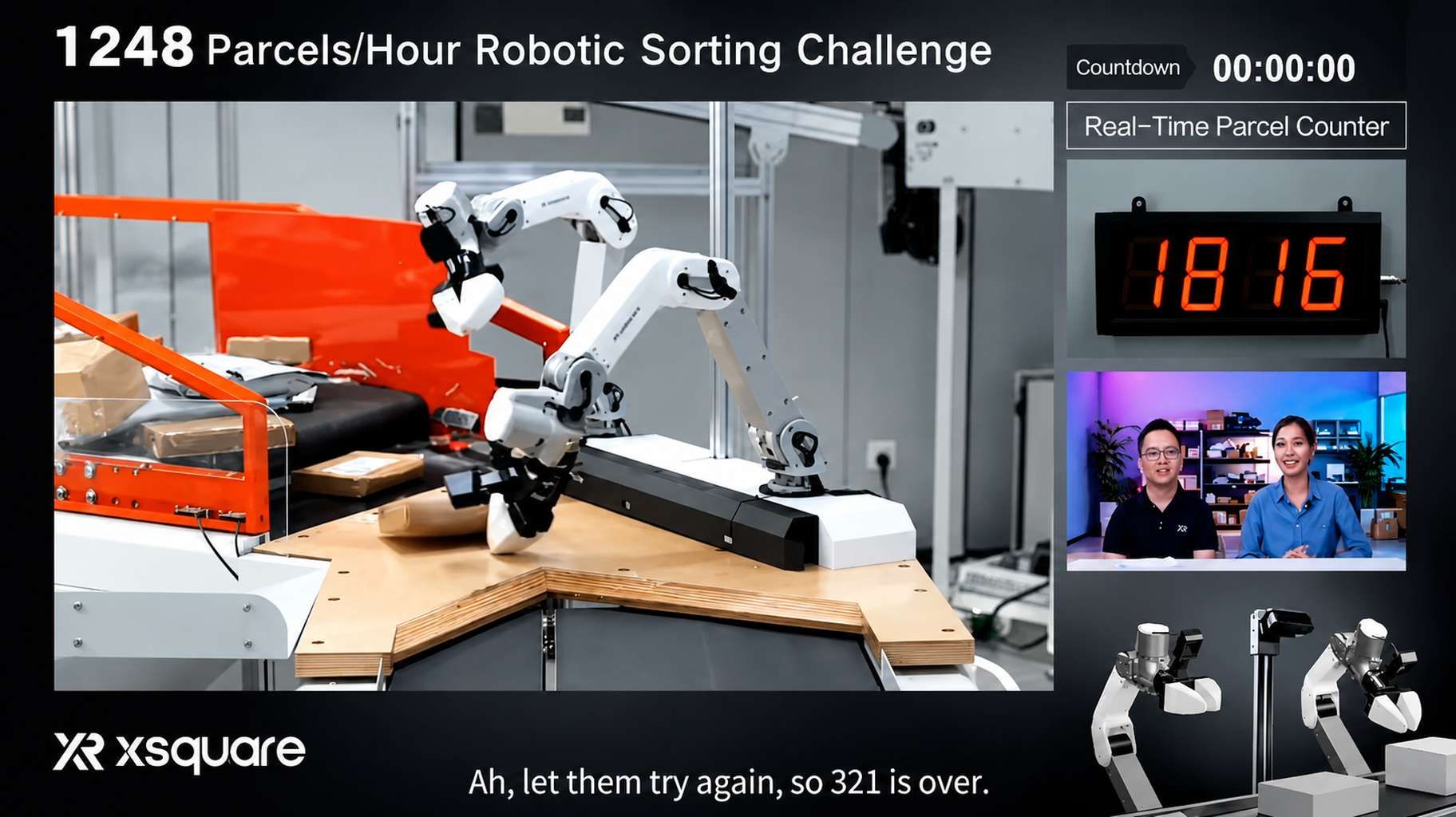
Beijing's second World Humanoid Robot Games will bring 2,056 robots from 666 teams and 16 countries to the National Speed Skating Oval from August 22 to 26. The expanded program includes 51 competitive and scenario events, with stricter autonomy rules designed to test robots in sports and practical tasks such as logistics, emergency response and retail service.
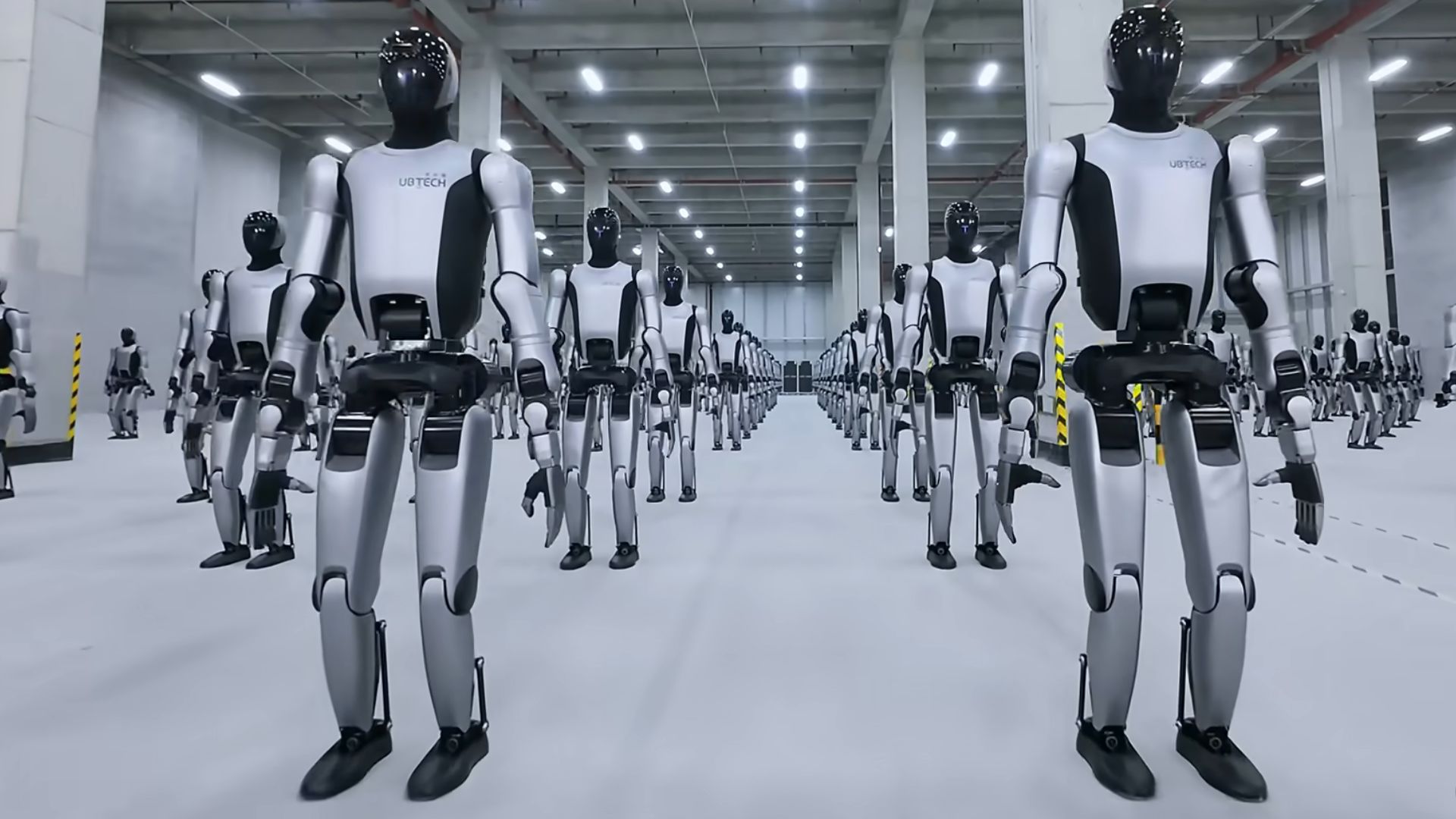
The second World Humanoid Robot Games is scheduled to run in Beijing from August 22 through 26, bringing together 2,056 robots from 666 teams across 16 countries and six continents. Organizers announced the final scale at an August 13 press conference, according to China Global Television Network, part of event co-host China Media Group.
The five-day program at the National Speed Skating Oval is set to include 51 events and 1,301 matches. That is a substantial expansion from the inaugural 2025 edition, which had 26 events and 487 matches. Interesting Engineering independently reported the same participation totals and schedule on August 14.
More events, with tighter autonomy rules
The program divides into 30 competitive events and 21 scenario-based events. Sports include track races, robot soccer, weightlifting, tug-of-war, table tennis and freestyle combat. Scenario events cover nine practical settings, including homes, hotels, industrial facilities, emergency response, logistics, libraries, retail, offices and vehicle charging.
Organizers have also raised the autonomy bar. CGTN reports that track and competitive events must be completed without remote control, except for the 100-meter and 400-meter obstacle races. In scenario events, fully autonomous completion receives a scoring coefficient of 1.0, while remote-controlled completion is capped at 0.5. Robot-soccer goals count only after at least two teammates touch the ball during the build-up.
Two challenges make the applied focus especially visible. A dexterous-hand event tests operations such as tool assembly, bottle opening, unboxing, tweezer pickup and cable connection. The Integrated Five challenge combines dexterous work, object transfer and heavy lifting with a 100-meter run.
What the results can and cannot show
For robotics teams, the games offer a public comparison of perception, motion planning, manipulation and multi-robot coordination under shared rules. The larger field may also expose failure modes that polished company demonstrations do not.
Results still need careful interpretation. Different events allow different levels of human control, and success in a scored competition does not by itself establish commercial reliability. The useful signal will be how consistently robots complete tasks under the published autonomy constraints, not just medal counts or isolated highlight clips.
Key Points
- 1The August 22–26 games are set to include 2,056 robots from 666 teams representing 16 countries.
- 2The program expands to 51 events and 1,301 matches, including practical scenarios in logistics, emergency response, retail and other settings.
- 3Most competitive events require autonomous operation, while remote-controlled scenario runs receive a lower scoring coefficient.
Scoring Rationale
The expanded field and stricter autonomy rules create a useful public test bed for humanoid locomotion, manipulation and coordination. The event is relevant to robotics practitioners, but competition performance remains an imperfect proxy for sustained commercial deployment.
Sources
Primary source and supporting public references used for this report.
Practice interview problems based on real data
1,625 SQL & Python problems across 15 industry datasets — the exact type of data you work with.
Try 250 free problems