BBC airs AI-generated historical panel on Question Time
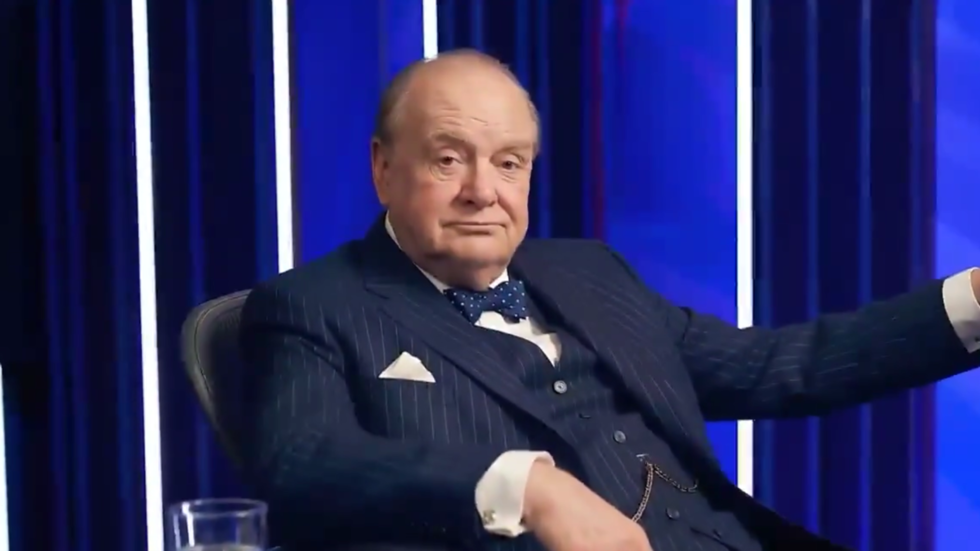
The BBC opened the 28 May 2026 edition of Question Time with AI-generated visual renderings of Winston Churchill, Frida Kahlo, Mahatma Gandhi and Emmeline Pankhurst, per the BBC video of the episode. Presenter Fiona Bruce introduced the images and told viewers they were AI-generated before the programme cut to the live human panel, which included Victor Riparbelli, identified on-screen as founder and CEO of Synthesia (BBC). Clips posted on social media prompted backlash from viewers and commentators, who criticised the stunt on ethical and copyright grounds, according to coverage in HuffPost UK, The National and Metro. A BBC spokesperson told HuffPost UK the episode "explored the opportunities, risks and moral dilemmas posed by artificial intelligence, with a range of views represented."
What happened
The BBC opened the 28 May 2026 edition of Question Time with AI-generated visual renderings of Winston Churchill, Frida Kahlo, Mahatma Gandhi and Emmeline Pankhurst, per the BBC video of the episode. Presenter Fiona Bruce introduced the four images and explicitly told viewers the visuals were AI-generated before the programme cut to the pre-announced human panel, according to the BBC video (BBC). The live panel included Victor Riparbelli, identified in the programme as founder and CEO of Synthesia (BBC). Clips of the opener posted on social media prompted viewer backlash and critical commentary about the stunt, with UK outlets reporting objections on ethical and copyright grounds (HuffPost UK; The National; Metro).
Technical details
Editorial analysis - technical context
Broadcasters increasingly use generative AI to produce hyper-real imagery for demonstration and storytelling. Reporting about this Question Time opener describes the AI renders as silent images that smiled, nodded or gestured rather than speaking, presented to illustrate how persuasive modern image and video generators can be (BBC; Independent referenced by aggregated coverage). Commentators quoted in coverage raised familiar technical and legal concerns, including training data provenance and possible copyright and likeness issues (HuffPost UK; The National).
Context and significance
The BBC is a major public broadcaster and its editorial choices shape public exposure to new media risks. Multiple outlets reported the segment provoked debate about normalising deepfakes and about broadcaster responsibility when showing generated likenesses of deceased public figures (Metro; HuffPost UK). A BBC spokesperson told HuffPost UK the episode "explored the opportunities, risks and moral dilemmas posed by artificial intelligence, with a range of views represented," which frames the opener as part of an editorial effort to interrogate AI rather than to deceive (HuffPost UK).
What to watch
For practitioners
Observe whether regulatory or standards bodies comment on reuse of historical likenesses in broadcast formats. Also monitor broadcaster guidance on labeling generated content and industry discussions about provenance metadata and demonstrable consent when training models on artist or public-figure likenesses. Public reaction metrics, complaints to broadcasting regulators, and follow-up coverage by national outlets will indicate whether this example becomes a reference case for editorial practice around generative media.
Key Points
- 1BBC opened Question Time with AI-generated images of Churchill, Kahlo, Gandhi and Pankhurst, per the BBC video.
- 2Social media clips and national outlets reported backlash focused on ethics, copyright, and normalisation of deepfakes.
- 3Industry observers will watch labeling, provenance practices, and regulator responses after a major broadcaster used hyper-real generated likenesses.
Scoring Rationale
A major public broadcaster using AI-generated likenesses creates a notable ethics and policy story for practitioners, but it is not a frontier technical development. The item is timely and could influence standards, so it rates as a mid-level policy story.
Sources
Public references used for this report.
Practice with real Ad Tech data
90 SQL & Python problems · 15 industry datasets
250 free problems · No credit card
See all Ad Tech problems