
AUKUS AI not yet deployed on RAF P-8 Poseidons
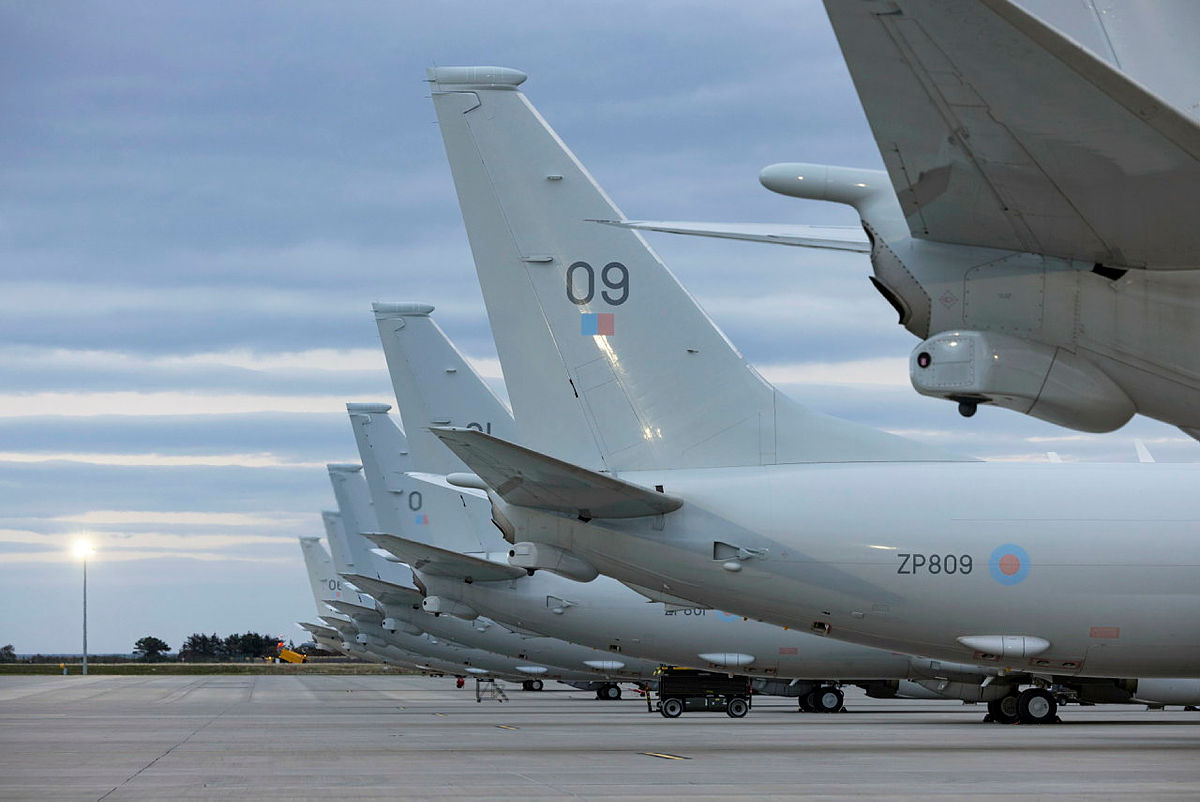
The UK Ministry of Defence has confirmed to Parliament that AUKUS-developed artificial intelligence has not yet flown on Royal Air Force P-8A Poseidon aircraft, though it is planned for future use, according to UK Defence Journal's verbatim report of a June 10, 2026 written answer. Minister Luke Pollard told MP Ben Obese-Jecty that "the AI algorithms in question were developed trilaterally" and "are planned to be flown on our P8 aircraft in the future," adding the UK is meanwhile "benefitting from access to data, insights and operational learnings" from partner deployments. The algorithms, part of AUKUS Pillar 2's advanced-capabilities strand, are believed to process sonobuoy acoustic data to help detect submarines faster. The RAF operates nine P-8As from Lossiemouth for North Atlantic anti-submarine patrol, a role that includes tracking Russian submarine activity.
The operationally relevant detail here is not that the AI is unused, but that the UK is already drawing on live acoustic-detection data and tuning from Australian and US P-8 deployments while its own aircraft wait for the software, a phased-rollout pattern that is common in trilateral defense programs and shapes how quickly any one partner reaches full capability.
What happened
The UK Ministry of Defence told Parliament that artificial intelligence algorithms developed under AUKUS have not yet been deployed on Royal Air Force P-8A Poseidon maritime patrol aircraft, per a June 10, 2026 UK Defence Journal report quoting the written answer verbatim. The Minister for Defence Readiness and Industry, Luke Pollard, told Conservative MP Ben Obese-Jecty that "the AI algorithms in question were developed trilaterally" and "are planned to be flown on our P8 aircraft in the future," while the UK is "currently benefitting from access to data, insights and operational learnings" generated by partner deployments, part of "a broader programme to ensure interoperability across all three nations."
Technical context
The algorithms sit under AUKUS Pillar 2, the pact's advanced-capabilities strand covering AI, autonomy, hypersonics, and undersea warfare, alongside the separate Pillar 1 nuclear submarine program. According to the report, one of the earliest publicized Pillar 2 efforts involved trilaterally developed software to help P-8A operators process sonobuoy acoustic data and locate submarines faster, an application area where labeled acoustic datasets and shared telemetry standards across partner nations matter for accuracy.
For practitioners
The phased approach, one partner flying software operationally while others integrate later using shared data and lessons learned, is a common pattern in multinational defense AI programs and illustrates a practical tradeoff: it reduces each nation's individual integration risk but means national capability gaps persist until validation against partner-generated operational data is complete.
What to watch
Future written parliamentary answers or MoD statements specifying a flight-trial timeline for UK P-8As, and any published technical detail on sonobuoy data-sharing standards across Australia, the UK, and the US, would indicate progress toward the RAF's own fleet, which flies nine P-8As from RAF Lossiemouth covering North Atlantic anti-submarine patrol, including tracking of Russian submarine activity.
Key Points
- 1The UK Ministry of Defence confirmed AUKUS-developed AI has not yet flown on RAF P-8A Poseidons, with deployment planned for the future.
- 2The UK is meanwhile using data and operational learnings from AI already deployed on Australian and US P-8 aircraft under the same trilateral program.
- 3The algorithms fall under AUKUS Pillar 2 and reportedly help process sonobuoy acoustic data to speed submarine detection.
Scoring Rationale
Fully verified against the primary article (all ministerial quotes confirmed verbatim): a genuine, official confirmation of AUKUS Pillar 2 AI program status with real defense relevance, but it is a parliamentary status update (not-yet-deployed, planned) rather than a technical advance or deployment itself, so it sits at the lower end of the notable tier.
Sources
Public references used for this report.
Practice interview problems based on real data
1,625 SQL & Python problems across 15 industry datasets — the exact type of data you work with.
Try 250 free problems