Asia Stocks Rebound; Kospi Jumps After Tech Selloff
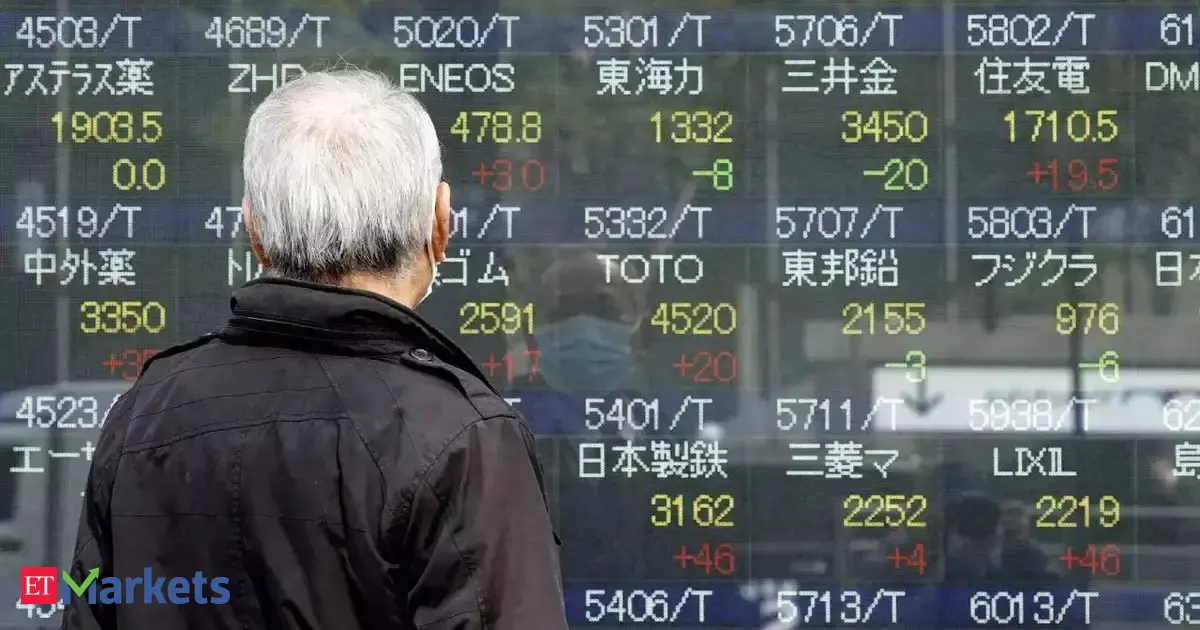
Asian markets staged a cautious rebound Wednesday after a global, technology-led selloff. South Korea's Kospi rallied, led by Samsung Electronics, which recovered more than 9% following a prior session's drop, according to CNBC. CNBC and The Economic Times report that chip names and broader tech stocks led the bounce across the region. Investors are awaiting Micron Technology's earnings for fresh signals on AI infrastructure demand, The Economic Times notes. The rebound followed a sharp pullback on Wall Street, where the Nasdaq fell about 2.2% and the Philadelphia semiconductor index slid, CNBC reports. The Economic Times also reports oil prices eased as tanker-traffic concerns abated. Wedbush's Dan Ives said market checks show "no cracks in the armor," per CNBC.
What happened
Asian equity markets rebounded on Wednesday after a steep, tech-led global selloff the prior session. CNBC reports that Samsung Electronics rose more than 9% in early Asia trading after a double-digit decline the day before. CNBC also reports that SK Hynix and other semiconductor names recovered part of earlier losses, and that the Nasdaq fell about 2.2% and the Philadelphia semiconductor index declined during the selloff on Wall Street. The Economic Times reports that investors are watching Micron Technology's upcoming results for signs of AI infrastructure demand. The Economic Times additionally notes that oil prices dipped as visibility on tanker traffic improved.
Editorial analysis - technical context
Semiconductor earnings and guidance are key high-frequency indicators for AI infrastructure demand. Industry observers frequently treat quarterly results from memory and DRAM suppliers as a proxy for near-term GPU and accelerator demand, because memory bandwidth and capacity are critical inputs to large-scale model training and inference clusters. Comparable market episodes in 2025 and 2026 show that earnings beats or misses from major memory vendors can move both single-stock and regional indices sharply.
Industry context
Observed patterns in similar market swings include amplified moves in South Korea due to heavy index concentration: multiple sources, including Yahoo Finance and Trading Economics, highlight that Samsung Electronics and SK Hynix together constitute a large share of the Kospi, which can magnify index volatility. Reporting cited by Yahoo Finance attributes part of the June volatility to leveraged single-stock ETFs and concentrated market exposure. CNBC quotes Wedbush's Dan Ives saying channel checks show "no cracks in the armor," a market-source view that frames the rebound as partly technical and partly bargain-driven.
What to watch
Market participants will monitor Micron Technology's earnings release for forward-looking commentary on AI-related demand, track foreign investor flows into South Korean equities (reported heavy selling intensified the prior drop, Trading Economics notes), and watch whether momentum extends beyond memory stocks into broader AI-related hardware suppliers. Oil and shipping-route headlines remain a secondary risk factor for sentiment, per The Economic Times' coverage.
For practitioners
Short-term trading and risk-management models should incorporate elevated idiosyncratic volatility in semiconductor names and rapid re-rating risk around earnings windows. Observed market behavior suggests liquidity can evaporate and return quickly; volatility- and stress-testing scenarios that include concentrated-index shocks remain relevant for portfolios with outsized positions in memory suppliers.
(Reported facts above are sourced to CNBC, The Economic Times, Trading Economics, and Yahoo Finance as noted.)
Key Points
- 1Tech-led selloff triggered a sharp but partial rebound in Asia, with Samsung Electronics recovering over 9%, CNBC reports.
- 2Investors are focused on Micron Technology's upcoming results as a near-term demand signal for AI infrastructure, per The Economic Times and Trading Economics.
- 3Industry-pattern observations: Korea's index concentration and leveraged products can amplify swings, creating rapid volatility around semiconductor earnings, Yahoo Finance notes.
Scoring Rationale
A financial markets story about a single-day Asia tech stock rebound after a selloff. The AI angle is indirect: semiconductor names like Samsung and SK Hynix are AI infrastructure proxies, and Micron earnings are flagged as a demand signal. Primarily a markets/macro item; relevance to AI/DS/ML practitioners is present but secondary.
Sources
Public references used for this report.
Practice interview problems based on real data
1,625 SQL & Python problems across 15 industry datasets — the exact type of data you work with.
Try 250 free problems