Aseon Labs Builds Robotaxi Pit-Stop Pods to Cut Deadhead Miles
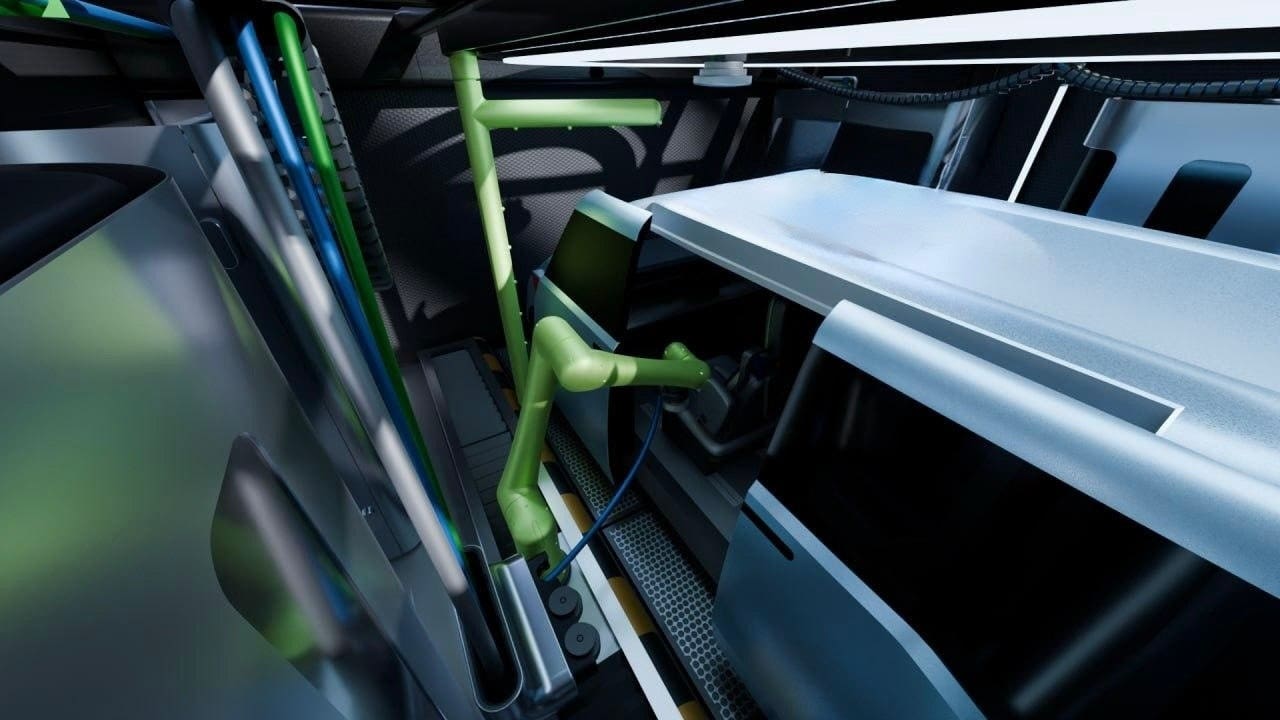
Aseon Labs raised $10 million to develop parking-space-sized robotic pods that charge, clean, inspect, and reset robotaxis closer to rider demand. TechCrunch reported that Crane Venture Partners led the seed round and that the startup plans to build initial prototypes, expand its engineering team, and secure deployment sites. The concept targets deadhead miles: nonrevenue trips to distant depots for routine fleet service. Distributed pods could improve vehicle utilization if they operate reliably and obtain suitable real estate, power, and local approvals. The company remains at an early prototype stage, so claims about profitability or citywide coverage should be treated as goals rather than demonstrated outcomes.
Aseon's proposal treats robotaxi economics as an infrastructure problem rather than only a driving-model problem. Autonomous vehicles still need charging, cleaning, inspection, and exception handling. If those services require long trips to centralized depots, a fleet loses revenue time and creates empty traffic. Distributed service pods could reduce that penalty, but they add a new network of physical assets that must be reliable, permitted, and maintained.
What happened
TechCrunch reported that Aseon Labs raised $10 million in a seed round led by Crane Venture Partners. The company is developing compact robotic service pods for autonomous-vehicle fleets and plans to use the financing for prototypes, hiring, and early locations. The pods are intended to perform routine tasks such as charging, cleaning, and visual inspection near areas of rider demand. The Next Web, Fast Company, and other outlets covered the same concept. Yahoo's entry is a syndicated copy of the TechCrunch report and should not be counted as independent corroboration.
Technical context
Routine fleet service combines structured automation with messy physical conditions. Charging can be standardized, but cleaning, damage inspection, and handling objects left in a vehicle require perception and robust exception detection. Aseon says its approach uses computer vision and modern robotics methods to decide which conditions the pod can address and which require human attention. The difficult engineering metrics will be service success rate, false-clear rate after inspection, downtime, and the share of cases escalated to people.
For practitioners
Fleet operators should compare distributed pods against centralized depots using total operating cost, not only miles saved. Relevant inputs include utilization, land and lease cost, electrical upgrades, cleaning supplies, maintenance staffing, network latency, and vehicle compatibility. A modular pod has value only if it works across enough fleet demand and remains available when vehicles arrive. Operators also need auditable inspection records because an automated system may become part of the safety case for returning a vehicle to service.
What to watch
The next evidence should come from deployed prototypes: throughput per pod, turnaround time, failure rates, and measured reduction in deadhead miles. Watch whether Aseon secures partnerships with fleet operators and sites in markets with active robotaxi service. Local permitting and neighborhood response will matter because pods combine parking, power, cleaning, and commercial operations. Until pilots publish results, the company is a funded infrastructure experiment rather than proof that distributed robotic servicing solves fleet profitability.
Key Points
- 1Aseon Labs builds parking-space-sized automated pods to charge, clean, inspect, and reset robotaxis closer to rider demand centers.
- 2The startup plans five prototype pods and a team expansion, using seed funding to secure real estate for an initial relocatable pod network.
- 3Investors including Crane Venture Partners led the seed round, aiming to reduce expensive deadhead miles that hurt robotaxi fleet economics.
Scoring Rationale
The seed round funds a concrete attempt to solve robotaxi utilization and service infrastructure, with multiple outlets confirming the early deployment plan. Impact remains moderate because prototypes, fleet partnerships, and measured operating gains have not yet been demonstrated.
Sources
Primary source and supporting public references used for this report.
View 1 more source
Practice with real Ride-Hailing data
90 SQL & Python problems · 15 industry datasets
250 free problems · No credit card
See all Ride-Hailing problems