Apple Updates Image Playground with Photorealistic AI
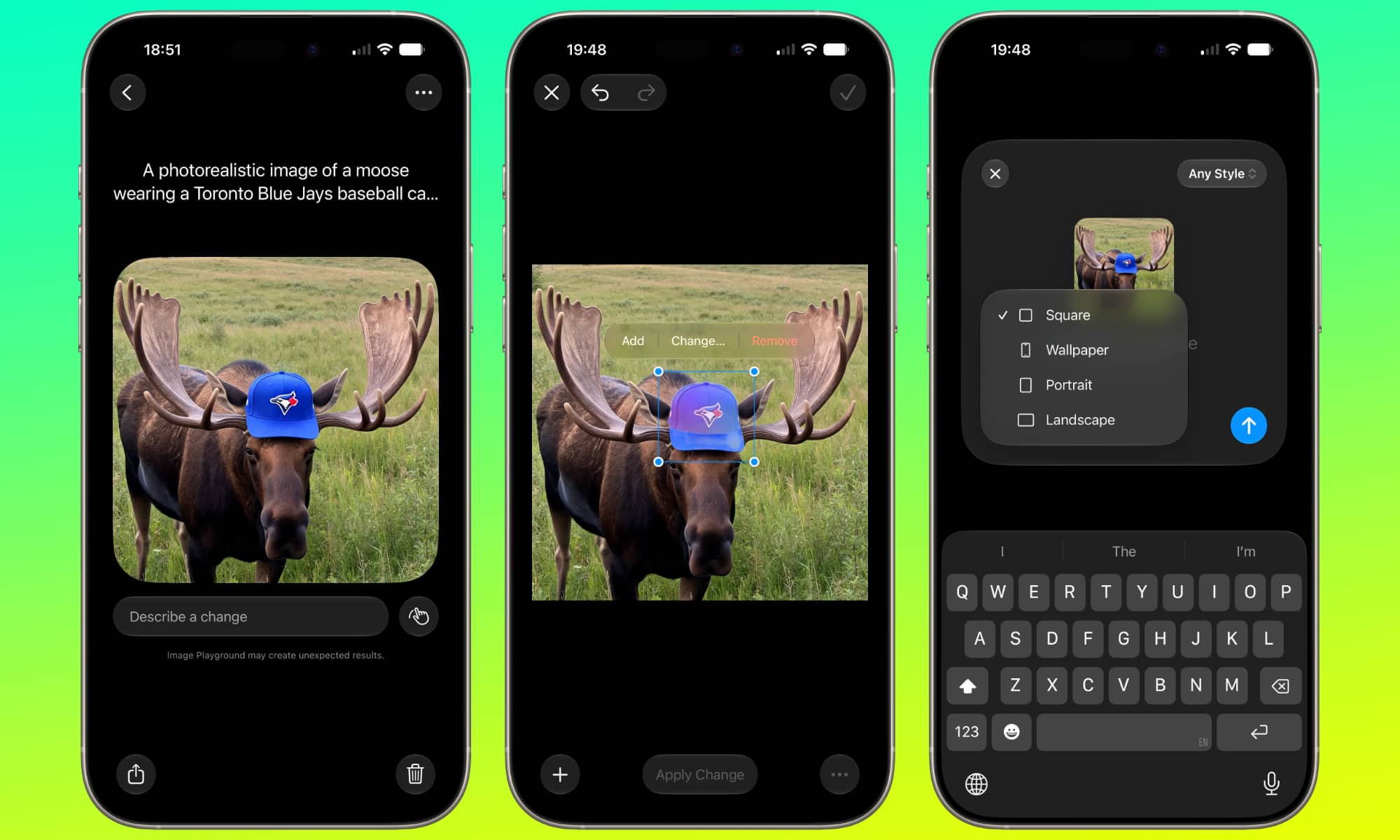
At WWDC26, Apple unveiled the next generation of Apple Intelligence and an overhauled Image Playground that can produce photorealistic images, according to Apple's event materials and MacRumors. Apple says the revamped Image Playground will ship in iOS 27, iPadOS 27, and macOS 27 and supports natural-language transforms of existing photos plus touch-to-edit selection, per Apple materials and TechCrunch. Reporting by WIRED indicates Apple is using Google Gemini as part of the backend architecture for Apple Intelligence. Apple Senior Director Leslie Ikemoto demonstrated examples onstage; TechCrunch reports she said photos used in edits are never stored or shared, even with Apple. The update also expands where generated images can be used across the OS, including lock screens, Messages, and Photos, per Apple's event notes.
What happened
Apple unveiled the next generation of Apple Intelligence at WWDC26 and introduced an overhauled Image Playground that supports photorealistic image generation, according to Apple's event materials and MacRumors. Apple showed the redesigned app in the keynote, where Senior Director Leslie Ikemoto demonstrated onstage examples, as reported by TechCrunch. Apple lists the release target as iOS 27, iPadOS 27, and macOS 27, arriving later this year.
Technical details
Reporting by WIRED describes Apple's new AI architecture as integrating external large-model capabilities and says Apple will use Google Gemini models as part of that stack. Apple's press materials describe a "bold new architecture uniquely designed to protect users' privacy," and TechCrunch quotes Ikemoto saying photos used for edits are "never stored or shared, even with Apple."
Feature set
- •Image Playground can generate images in many styles, including photorealistic output, per MacRumors, CNET, and PetaPixel.
- •Users can transform existing photos with natural-language prompts and touch to select part of an image to edit only that selection, according to TechCrunch and MacRumors.
- •Generated images are integrated across system surfaces such as lock screens, Messages backgrounds, and Photos, per Apple's event materials and TechCrunch.
Industry context
Editorial analysis - technical context
Combining on-device context with a cloud-backed model layer like Gemini (as reported by WIRED) reflects a hybrid pattern: local context and client-side prompts paired with large models on controlled cloud infrastructure. That design can reduce latency and some privacy surface relative to remote-first workflows, while still depending on remote capacity for photorealistic synthesis.
Context and significance
What to watch
Editorial analysis
Embedding photorealistic image generation into a mainstream mobile OS narrows the gap between research-grade models and consumer workflows, raising expectations for tight OS integration, low-latency editing, and stronger privacy guarantees around user media.
For practitioners, OS-level photorealistic generation expands generative imaging beyond standalone apps into native flows such as lock screens and messaging; sharpens scrutiny of Apple's privacy framing when teams evaluate data and training threat models; and, through the reported use of Google Gemini, illustrates continued cross-company model sourcing that shapes how device features integrate third-party providers.
Track Apple's developer documentation and WWDC sessions for concrete API details, quotas, and latency guarantees; the privacy and data-flow specifics, such as whether requests use Private Cloud Compute or ephemeral tokens; and third-party testing after the beta to assess output fidelity, moderation safeguards, and edge cases in selective touch-to-edit.
Key Points
- 1Apple upgrades Image Playground to produce photorealistic images, moving generative imaging into core OS workflows and user-facing tools.
- 2Apple reportedly pairs on-device context with cloud-hosted models, including Google Gemini per WIRED, reflecting a hybrid capability-versus-privacy trade-off.
- 3Practitioners will watch Apple's privacy framing and developer API details closely, as OS-level image generation changes integration and moderation needs.
Scoring Rationale
Apple adding photorealistic generation to a native app across iOS, iPadOS, and macOS is a notable product milestone, relevant to integration patterns, privacy engineering, and platform reach. The reported use of Google Gemini in the backend increases relevance to model-deployment strategy, though it is a consumer feature rather than a frontier model or research result.
Sources
Public references used for this report.
View 9 more sources
- Apple's Image Playground doesn't suck anymoretechcrunch.com
- Apple Revamps Image Playground With Photorealistic Generation and New Editing Toolsmacrumors.com
- WWDC 2026: All the news from Apple's developers conferencetheverge.com
- Apple's Image Playground Gets 'Photorealistic' Capabilitiescnet.com
- Apple's All-New Image Playground Promises More Than Cartoonspetapixel.com
- WWDC 2026: Live updates from Apple Park on Siri, iOSengadget.com
- iOS 27 is official: All the new upgrades and features announced at WWDC 2026tomsguide.com
- Siri AI, Apple Intelligence, iOS 27: Everything You Missed at WWDCpcmag.com
- Apple Spatial Reframing is the most unique AI tool from WWDCmashable.com
Practice interview problems based on real data
1,625 SQL & Python problems across 15 industry datasets — the exact type of data you work with.
Try 250 free problems