Apple Limits Top iOS 27 AI Features to iPhone 17 Pro
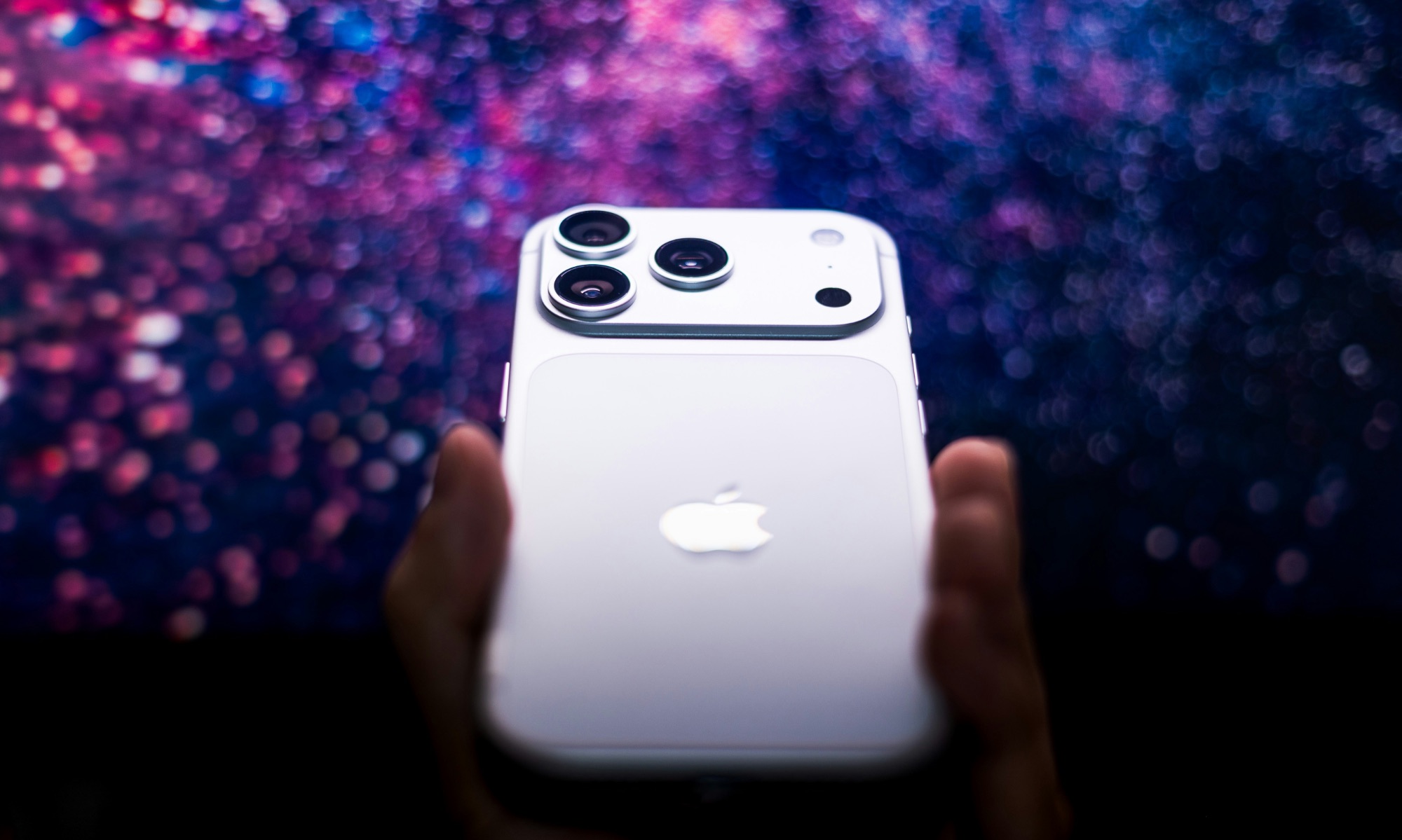
At WWDC 2026 Apple unveiled iOS 27 and its next-generation Apple Intelligence platform, including a new Siri AI experience, per Apple's announcement on apple.com and reporting from The Verge. Reporting by 9to5Mac and Cult of Mac notes that Apple's most powerful on-device AI model will be restricted to devices with 12GB or more RAM, specifically the iPhone 17 Pro and iPhone Air, plus iPads with M4 and 12GB+ memory and Macs with M3 and 12GB+ memory. Craig Federighi is quoted during the keynote saying, "Our most powerful on-device model, and the features it enables like expressive voices and more advanced dictation will be coming to our most capable iPhone, iPad, and Mac systems," as reported by iDropNews. Older compatible devices will still receive many Apple Intelligence features but, according to 9to5Mac and The Verge, some workloads will fall back to Apple's Private Cloud Compute.
What happened
Apple revealed iOS 27 and an expanded Apple Intelligence suite, including a new Siri AI, at WWDC 2026, per Apple's product page and The Verge. Multiple outlets reporting on the keynote (9to5Mac, Cult of Mac) describe a hardware gate: the company's most powerful on-device AI model requires devices with 12GB of system memory. Reporting identifies the iPhone 17 Pro and iPhone Air as among the iPhones that meet that threshold, while iPad support requires an M4 chip and 12GB+ RAM and Mac support requires M3 and 12GB+ RAM (9to5Mac; Cult of Mac). Outlets covering the keynote reported Apple's framing that its most powerful on-device model, and the features it enables such as expressive voices and more advanced dictation, will come to Apple's most capable iPhone, iPad, and Mac systems. The Verge and 9to5Mac say non-eligible devices will still run many Apple Intelligence features but may rely on Apple's Private Cloud Compute for the heaviest workloads.
Editorial analysis - technical context
Device memory and on-device model capacity are increasingly practical limits for local AI features. Industry patterns show that higher RAM supports larger model parameter sets, bigger context windows, and less aggressive quantization, which together enable more expressive text-to-speech, higher-quality dictation, and lower-latency inference. For practitioners, this means feature parity across iOS 27 devices will depend on whether a given workload can be satisfied by the smaller on-device models or must be routed to cloud-backed inference, with corresponding implications for latency, privacy model, and cost.
Industry context
Fragmentation along hardware tiers is a recurring theme as consumer devices incorporate larger on-device models. Reporting on Apple's rollout mirrors past platform transitions where a subset of flagship devices unlocks premium features. Observed patterns in similar transitions indicate developers will need to test multiple performance and privacy modes: local inference on high-RAM devices, quantized or distilled models on mid tiers, and cloud offload for the lightest hardware.
What to watch
- •Device documentation from Apple clarifying exact RAM and storage gating (Apple.com, developer docs).
- •Benchmarks from independent testers measuring the on-device model's latency, memory footprint, and accuracy on supported devices.
- •Developer guidance or SDK updates showing how apps should detect and adapt to on-device vs Private Cloud Compute paths.
- •Apple's privacy and pricing details for Private Cloud Compute when routing heavy workloads off device.
Bottom line
The announced restrictions are a factual hardware requirement reported by multiple outlets (Apple, 9to5Mac, Cult of Mac, The Verge). For engineers and product teams, the immediate operational impact is increased testing and conditional feature delivery across device classes as iOS 27 rolls out.
Key Points
- 1Apple's iOS 27 limits its most powerful on-device AI to devices with 12GB RAM, concentrating advanced features on newer hardware.
- 2Requiring 12GB+ RAM reflects typical industry trade-offs: larger models and higher-quality voice and dictation need more memory and compute.
- 3For practitioners, feature parity will mean implementing device detection and fallbacks to Apple's Private Cloud Compute or smaller models.
Scoring Rationale
This is a notable product-level constraint that affects developers who must handle on-device vs cloud inference and test across hardware tiers; it is not a paradigm-shifting model release but matters for deployment and user experience.
Sources
Public references used for this report.
View 4 more sources
- iOS 27, iPadOS 27, macOS 27 compatibility list: Will your device get the update?cultofmac.com
- iPadOS 27 cuts off a few favorite iPad modelsappleinsider.com
- Here's what's new in iOS 27 and iPadOS 27 - GSMArena.com newsgsmarena.com
- Apple's Most Powerful On-Device AI Model Requires iPhone 17 Pro ...deccanchronicle.com
Practice interview problems based on real data
1,625 SQL & Python problems across 15 industry datasets — the exact type of data you work with.
Try 250 free problems