Anthropic Implements ID Verification to Restrict Access
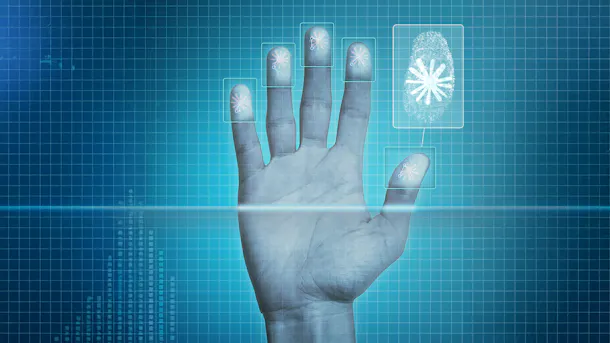
Anthropic has begun requiring government-issued photo IDs and live selfies from a subset of Claude users to gate access to certain capabilities. The checks are handled by third-party identity provider Persona and, Anthropic says, are intended for platform integrity: fraud prevention, abuse mitigation, and to meet legal and compliance obligations. The verification prompt appears only for selected use cases or when activity looks suspicious; accepted documents include passports, driver licenses, and national ID cards. The move raises privacy and trust tradeoffs, and may set a precedent for identity-gated AI features and geosecurity controls.
What happened
Anthropic has started rolling out identity verification for a small set of Claude users, requiring a government-issued photo ID and, in some cases, a live selfie before permitting access to certain capabilities. The checks are executed by third-party provider Persona, and Anthropic says verification is applied selectively for platform integrity, fraud or abusive-behavior signals, and to satisfy legal obligations. Reports also indicate the measure is intended to limit access from some jurisdictions tied to U.S. national security concerns, including China, Russia, and North Korea.
Technical details
Anthropic routes verification through Persona rather than ingesting raw documents directly into its systems. Accepted credentials include passports, driver's licenses, and national ID cards; screenshots, photocopies, and non-government IDs are rejected. Anthropic says Persona stores and processes the images under contractual limits, encryption in transit and at rest, and specified retention policies, and that verification data will not be used to train models. The verification prompt is applied conditionally, appearing when users attempt specified features or when automated signals flag potentially fraudulent or abusive activity.
Technical implications for practitioners
- •Identity gating changes threat models for platform abuse, shifting some mitigation from content-based controls to identity-linked accountability.
- •Integrations with identity providers like Persona create new data-handling and compliance dependencies; review of retention, audit logs, and access controls is essential.
- •Models and telemetry teams should expect reduced anonymity for a subset of users, which will affect A/B tests, behavioral analytics, and opt-in research cohorts.
Context and significance
This is one of the first major consumer-facing generative AI platforms to adopt formal identity verification as a gating mechanism for features. The move intersects three trends: stronger platform integrity controls post-misuse incidents, geopolitical export-control and supply-chain concerns, and growing industry experimentation with identity-linked access for higher-risk capabilities. Anthropic frames the change as safety-first; critics note privacy tradeoffs, especially given Persona investors like Founders Fund and connections between surveillance-capital firms and government contractors such as Palantir. That provenance has amplified user distrust despite Anthropic's assurances that ID images will not feed model training.
What to watch
Whether competitors adopt similar ID-gating for high-risk features, how regulators treat identity-based controls for AI, and whether contractual protections and audits around third-party verifiers are sufficient to maintain user trust. Also monitor appeals, false-positive rates on gating signals, and any policy or technical updates that narrow or expand which Claude capabilities require verification.
Key Points
- 1Anthropic is gating select Claude capabilities with government IDs and selfies, shifting some abuse mitigation to identity-based controls.
- 2Verification is handled by Persona; contractual limits and encryption are cited, but third-party provenance raises privacy and trust concerns.
- 3This sets a precedent for geosecurity and compliance-driven feature gating, which may change access, telemetry, and research workflows.
Scoring Rationale
The change is a notable platform-level policy with direct implications for security, privacy, and how practitioners design access controls and telemetry. It is not a paradigm shift in model architecture, so it sits in the 'notable' range; recent timing reduces novelty slightly.
Sources
Public references used for this report.
View 5 more sources
- ID Verification For Claude: 'Anthropic just handed ChatGPT, Gemini ...timesofindia.indiatimes.com
- Anthropic tests user trust with ID and selfie checks for Claudehelpnetsecurity.com
- Anthropic Starts Requiring Govt IDs and Video Selfies From Claude ...propakistani.pk
- Anthropic's Claude is Getting an Identity Verification System & Users ...androidheadlines.com
- Anthropic Adds ID Verification for Claude Capabilities via Personaidtechwire.com
Practice interview problems based on real data
1,625 SQL & Python problems across 15 industry datasets — the exact type of data you work with.
Try 250 free problems