Ant Group Launches Anvita Platform Enabling AI Agent Transactions
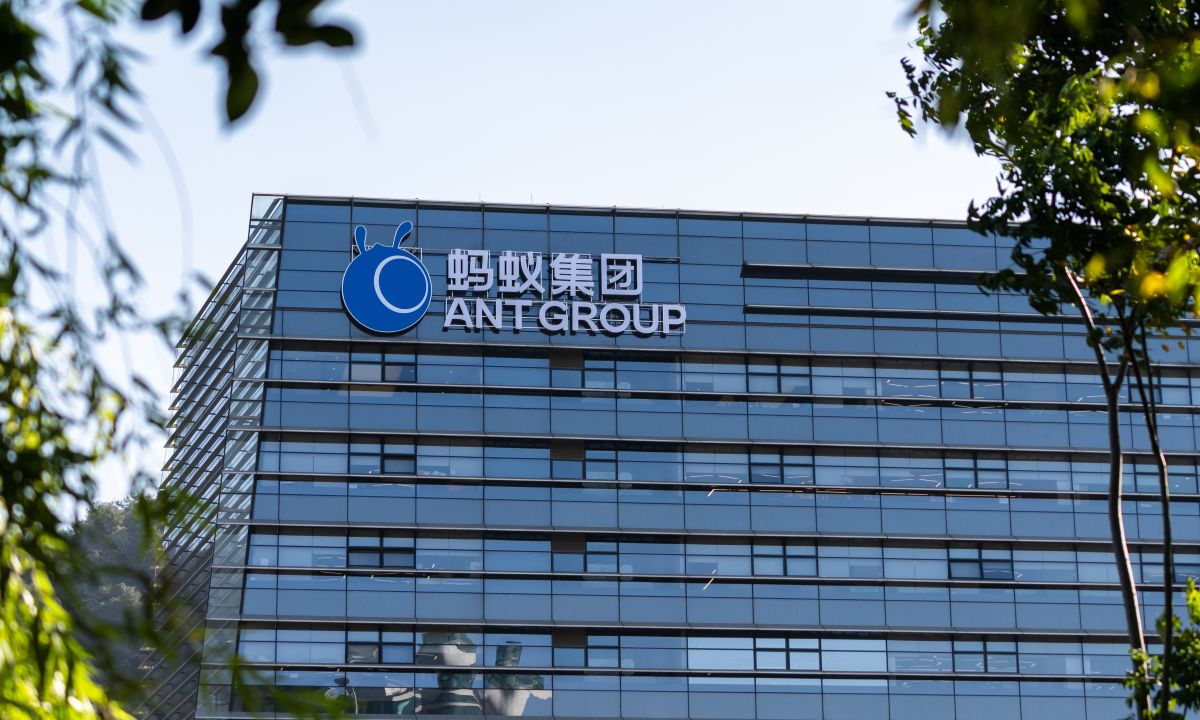
Ant Group’s blockchain unit unveiled Anvita, a two-product platform designed to let autonomous AI agents hold tokenized real-world assets, execute trades, and settle payments with minimal human intervention. Anvita TaaS offers tokenization-as-a-service for institutional custody and treasury use cases; Anvita Flow lets agents connect, coordinate tasks, and settle payments in real time. The launch signals Ant’s push toward an “agentic” on-chain economy and joins a wider industry move — including initiatives from Visa and Coinbase — to build rails for agent-driven payments and micropayments. Practitioners should evaluate agent security, key custody, settlement mechanics, and integrations with existing payment systems.
What happened
Ant Group’s blockchain arm (Ant Digital Technologies / AntChain) unveiled Anvita at the company’s Real Up summit in Cannes. Anvita is positioned as a platform suite to enable an “agent-to-agent” economy in which autonomous AI agents can hold tokenized assets, execute trades, and settle payments with limited human intervention.
Technical context
Anvita launches with two core products. Anvita TaaS (tokenization-as-a-service) targets institutional tokenization of real-world assets (RWAs), offering custody and treasury tooling. Anvita Flow is an agent coordination and settlement layer where AI agents can connect, coordinate tasks, and carry out real-time payments. Ant frames RWAs as “static infrastructure” and casts the true transformation as enabling on-chain, agentic behavior — agents that don’t just analyze but actively hold assets and optimize portfolios (Zhuoqun Bian, president of blockchain business at Ant Digital Technologies).
Key details from sources
- •Anvita was unveiled at Ant’s Real Up summit in Cannes and is described as part of Ant’s investment in infrastructure for AI-driven commerce.
- •TaaS focuses on institutional tokenization use cases (custody, treasury). Flow provides realtime agent connectivity and settlement.
- •Industry context: other payments and crypto firms are building complementary agent-oriented rails — Visa and Coinbase have been cited as developing protocols focused respectively on card-rail/checkout flows and stablecoin micropayments. PYMNTS and Coindesk coverage frames Anvita as another industrial push toward agent-enabled settlement and commerce.
Why practitioners should care
Anvita formalizes a productized pattern: agent identity + tokenized asset custody + automated settlement. For ML/agent engineers, this raises engineering priorities around secure key management for autonomous agents, verifiable agent identity and authorization, orchestration patterns for multi-agent workflows, and handling on-chain settlement constraints (latency, finality, gas/fee economics). For infra and blockchain engineers, the product highlights growing demand for institutional-grade tokenization plumbing and composable settlement APIs that bridge legacy payment rails and on-chain tokens.
What to watch
- •Adoption signals from institutional customers on custody/treasury tokenization.
- •Technical documentation or SDKs that reveal how agents are authenticated, how keys are stored/rotated, and how dispute resolution or reversibility is handled.
- •Regulatory responses in jurisdictions where Ant operates, given autonomous asset custody and automated payments.
Key Points
- 1Anvita pairs tokenization-as-a-service with an agent coordination layer to let autonomous agents hold assets and settle payments on-chain.
- 2The platform reframes RWAs as foundational infrastructure; value accrues when agents can autonomously trade, optimize, and execute settlements.
- 3Industry incumbents and crypto firms are building agent-focused rails, making secure agent identity, custody, and settlement primary engineering priorities.
Scoring Rationale
The launch is a credible, relevant industry move (high relevance) that extends existing tokenization and payments trends (moderate novelty and scope). It is actionable for engineers designing secure agent workflows, but recency penalty (-1) applies.
Sources
Public references used for this report.
Practice interview problems based on real data
1,625 SQL & Python problems across 15 industry datasets — the exact type of data you work with.
Try 250 free problems