Laser-based mosquito killers: a DIY prototype and the Photon Matrix Indiegogo product
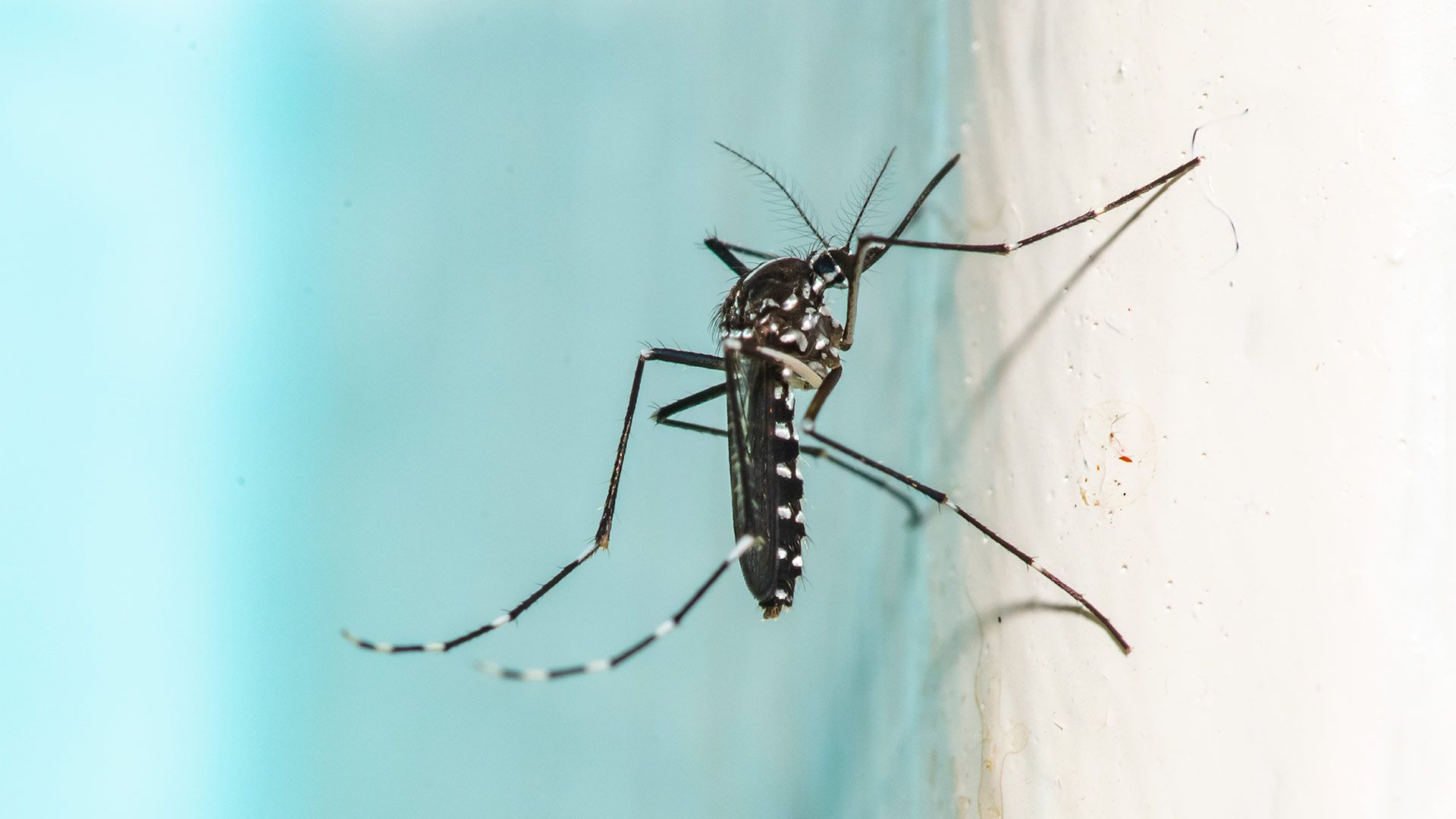
Coverage spans a DIY 'ultimate mosquito killer' built by Steven Cheng using computer vision and a commercial Indiegogo product, Photon Matrix, which claims LiDAR-guided lasers and millimeter-wave safety radar to detect and zap mosquitoes.
What happened
A computer-vision hobbyist, Steven Cheng, posted about a DIY "ultimate mosquito killer" prototype that uses a DSLR plus a zoom lens and a custom-trained detection model. Separately, a commercial product called Photon Matrix, from Photon Matrix Lab, is being marketed on Indiegogo and covered by outlets including New Atlas, Embedded, and The Atlantic. The Photon Matrix campaign and reporting describe a LiDAR-guided laser device that the makers claim can detect and eliminate mosquitoes in flight.
Technical details
- •Steven Cheng said his working prototype took four months to build, used a DSLR and high-magnification zoom lens for dataset collection, and relied on deep-learning-based computer vision; Cheng reported heavy GPU use during training and that the detection model performed well in his tests.
- •According to product materials and reporting on Photon Matrix, the device uses a LiDAR module to scan and locate flying insects, then a second directed laser to zap the target. The campaign and press coverage claim detection and targeting can occur within about 3 milliseconds, that the Basic model has a roughly 3-meter scanning/killing range while the Pro edition extends to about 6 meters, and that the vendor claims up to 30 mosquitoes can be dispatched per second. Coverage also notes the device uses galvanometric mirrors for fast beam steering and includes millimeter-wave radar to detect larger objects so the laser will not fire when people or pets are present. Photon Matrix is described as IP68 waterproof and offered with either mains power or an optional rechargeable power bank providing on the order of single-digit to double-digit hours of operation depending on model.
Editorial analysis - technical context
Laser-based insect control is not a new idea: reporting in The Atlantic traces the concept back to proposals by Lowell Wood and subsequent interest from inventors like Nathan Myhrvold. The current wave combines off-the-shelf sensing components (LiDAR, radar), fast beam-steering optics, and machine-vision models to attempt automated insect identification and targeting at consumer scale.
Context and significance
Mosquitoes are vectors for disease and also a common nuisance. These projects show two approaches: an individual maker using custom computer-vision models to automate laser targeting at a prototype scale, and a startup-style product that packages sensing, targeting, and safety features for consumer crowdfunding. If effective and safe, such systems could offer an alternative to chemical or passive control methods, though efficacy in real-world conditions and regulatory or safety oversight remain open questions.
Industry context
Reporting and product materials position Photon Matrix alongside traditional mosquito-control tools (nets, repellents) and newer tech attempts. The Embedded piece frames the product as an "intelligent" device aiming for a low-emissions, automated option, while coverage on New Atlas highlights claimed specs and limitations, for example noting faster-flying insects may not be reliably detected.
What to watch
- •Independent tests of real-world efficacy and selectivity for mosquitoes versus other insects.
- •Safety evaluations, including how well the millimeter-wave radar and other safeguards prevent unintended firings around people or pets.
- •Regulatory scrutiny or standards for consumer-directed laser devices, and follow-up reporting on Indiegogo fulfillment and performance claims.
What's next
Photon Matrix is currently being promoted on Indiegogo per the reporting; further verification will depend on independent reviews, user reports from backers, and any broader availability beyond the campaign. The DIY approach demonstrated by Steven Cheng illustrates the accessibility of the sensing and modeling components that enable such prototypes.
Bottom line
Multiple independent items of coverage describe both a hobbyist-built laser mosquito prototype and a crowdfunded product, Photon Matrix, that claims LiDAR-guided laser targeting with built-in safety sensors. The published materials emphasize claimed performance figures and safety features, but independent validation and regulatory review are still needed to confirm real-world safety and effectiveness.
Why it matters
These stories show how advances in sensing, optics, and machine vision are being applied to pest control. The convergence of consumer-accessible hardware and AI models could produce new control tools, but also raises questions about safety, regulation, and verified impact on disease vectors.
Key Points
- 1A DIY maker, Steven Cheng, built a laser-based mosquito prototype using DSLR imaging and a custom-trained detection model over about four months.
- 2Photon Matrix, promoted on Indiegogo, claims LiDAR-based detection, galvanometer beam steering, millimeter-wave radar safety, and performance specs such as a 3 ms detection window and up to 30 mosquitoes per second.
- 3Independent testing, safety validation, and regulatory review are still needed to verify real-world effectiveness and to confirm the vendors' performance and safety claims.
Scoring Rationale
Novel application of sensing and AI could be notable for consumer pest control, but concrete public-health impact and safety depend on independent validation and regulatory outcomes.
Sources
Public references used for this report.
Practice interview problems based on real data
1,625 SQL & Python problems across 15 industry datasets — the exact type of data you work with.
Try 250 free problems