Americans Oppose New AI Data Centers Near Homes
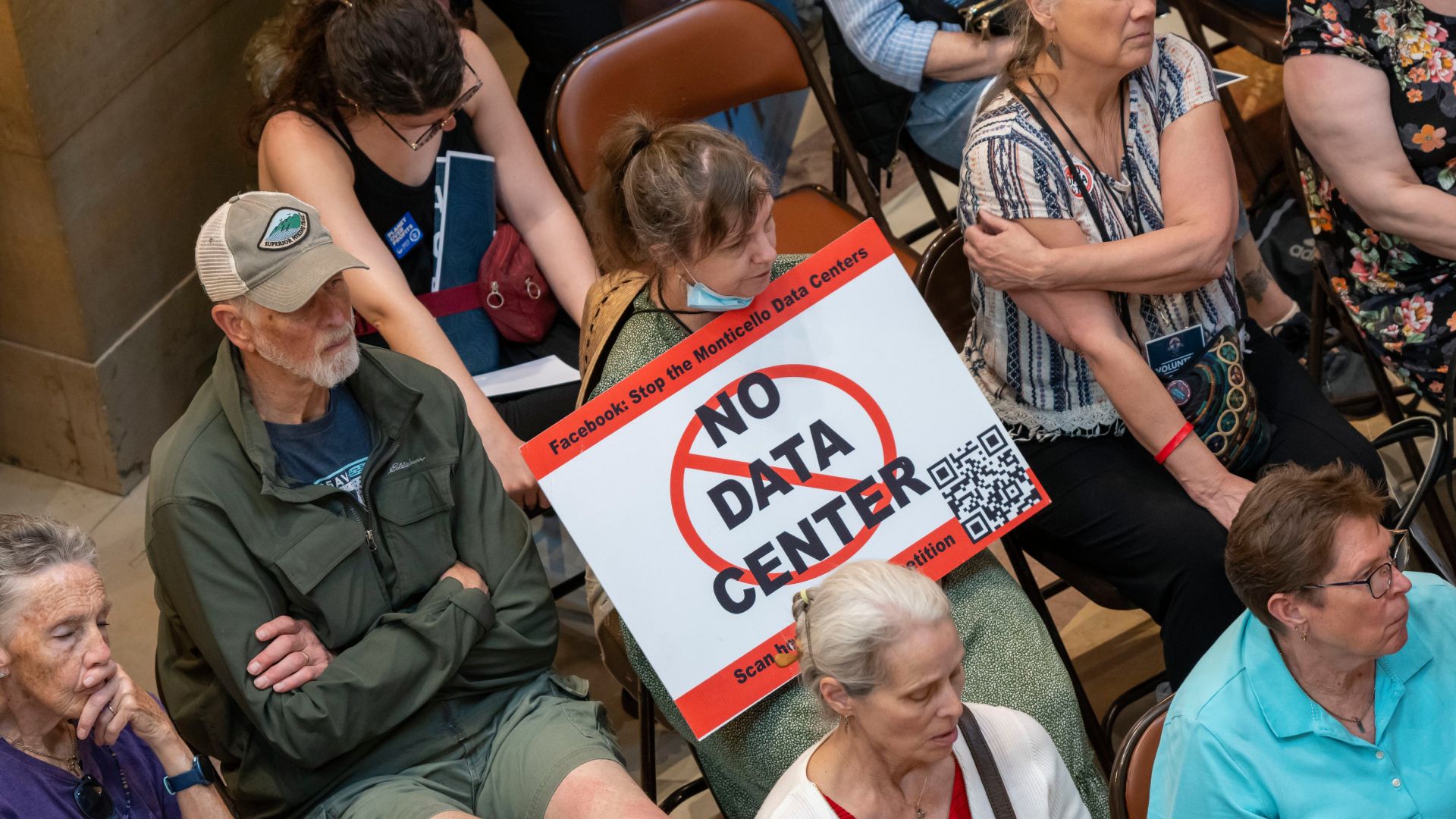
A Redfin-commissioned survey fielded by Ipsos in November 2025 of 4,000 U.S. residents found 47% oppose construction of an AI data center in their neighborhood while 38% support it, according to Redfin and a BusinessWire release. Support is concentrated among younger cohorts: 50% of millennials and 48% of Gen Z respondents said they somewhat or strongly supported local data centers, versus 38% of Gen X and 22% of baby boomers, per Redfin. The survey also shows Republicans reported higher support (49%) than Democrats (36%), and respondents rated AI data centers less popular than new apartment or mixed-use developments, Redfin reports. Redfin and BusinessWire cite community concerns about strain on electricity and water, noise, and broader fears about AI-driven job loss as drivers of opposition.
What happened
A Redfin-commissioned survey conducted by Ipsos in November 2025 polled 4,000 U.S. residents and found 47% would oppose construction of an AI data center in their neighborhood while 38% would support it, according to Redfin and a BusinessWire release. The poll broke down support by age: 50% of millennials and 48% of Gen Z respondents reported some level of support, compared with 38% of Gen X and 22% of baby boomers, per Redfin. The survey also reported a partisan split, with 49% of Republicans saying they would support a local AI data center versus 36% of Democrats, according to Redfin.
Redfin and BusinessWire state that respondents view AI data centers as more controversial than other proposed neighborhood building types, including new apartment complexes and mixed-use developments. The reporting notes concerns that data centers can strain local electricity and water resources, create noise and large industrial structures, and tap into broader fears about AI-related job displacement. Redfin quoted a local agent saying, "A lot of local residents are frustrated about the surge in data centers in our community," attributed to a Redfin Premier agent in Prince George's County, MD, in the BusinessWire release. Redfin and BusinessWire also note the U.S. has more than 3,000 AI data centers, with thousands more reportedly in development.
Editorial analysis - technical context
Industry-pattern observations: community opposition to large-scale compute facilities often centers on tangible, infrastructure-level impacts-not abstract model capabilities. Reported concerns about energy and water draw on concrete constraints: data centers with high-power densities raise local transmission and cooling demands, which can lead to visible utility upgrades, roadworks, and temporary construction employment. These infrastructure effects are the proximate, observable drivers of local permitting debates in many jurisdictions.
Context and significance
the Redfin/Ipsos findings indicate rising "not-in-my-backyard" sentiment specifically toward AI-scale data centers, rather than general new construction. For companies and site-selection teams, this pattern increases the salience of community engagement, local utility coordination, and transparent disclosure of environmental mitigations. For real-estate markets, the survey highlights potential neighborhood-level friction that can affect perceptions of nearby property value and permitting timelines.
For practitioners
Observed patterns in similar projects: projects that proactively publish energy-use projections, water-consumption plans, noise studies, and local hiring commitments typically encounter fewer protracted permitting disputes. Observers should note that generational and partisan splits in the Redfin data suggest different messaging may be needed for different constituencies. The survey also underscores a reputational component: public fears tied to AI's economic impact-reported in the poll as job-displacement concern-amplify resistance beyond strictly environmental objections.
What to watch
For analysts and infrastructure teams, monitor local permitting outcomes and public-comment records in counties with active data-center proposals, and track utility interconnection queues where projects require significant new capacity. Metrics to follow include time-to-permit, conditional-use hearing outcomes, and local ballot measures or zoning changes. Also watch for industry disclosures on water and energy procurement and for municipal efforts to condition approvals on community benefit agreements.
Limitations and source notes
What is reported: all numerical findings in this summary derive from the Redfin press release and BusinessWire distribution of the Ipsos field poll, both published May 4, 2026. The quoted agent remark appears in Redfin's release as attributed to "a Redfin Premier agent." Where the survey reports motivations (energy, water, noise, job fears), those are respondent perceptions reported by Redfin/Ipsos, not independent measurements of local impacts.
Editorial analysis
practitioners should treat the poll as a snapshot of public sentiment, useful for risk assessment in site selection and community outreach planning, rather than a direct measure of regulatory outcomes.
Key Points
- 1Redfin/Ipsos polling of 4,000 Americans finds 47% oppose AI data centers in their neighborhoods, highlighting widespread local resistance.
- 2Industry-pattern observation: opposition clusters around tangible infrastructure concerns-energy, water, noise-rather than technical model details.
- 3For practitioners: site teams should prioritize visible mitigations, local engagement, and utility coordination to reduce permitting friction.
Scoring Rationale
The survey signals meaningful community resistance that raises permitting and reputational risk for AI-scale data-center projects, which matters to infrastructure planners and site-selection teams. The item is notable but not industry-shaking, so it rates in the mid-high range.
Sources
Public references used for this report.
View 6 more sources
- Report: Nearly half of Americans oppose data centers in their ...tricitiesbusinessnews.com
- Nearly Half of Americans Take NIMBY Approach to Data Centerswrenews.com
- Redfin survey: 47% of Americans oppose AI data centers in their ...sahmcapital.com
- Redfin: 47% Oppose AI Data Centers (2026 CRE Guide)theaiconsultingnetwork.com
- Data News Insights | KlickAnalyticsklickanalytics.com
- Nearly half of Americans oppose AI data centers in their ...completeaitraining.com
Practice with real Real Estate data
90 SQL & Python problems · 15 industry datasets
250 free problems · No credit card
See all Real Estate problems