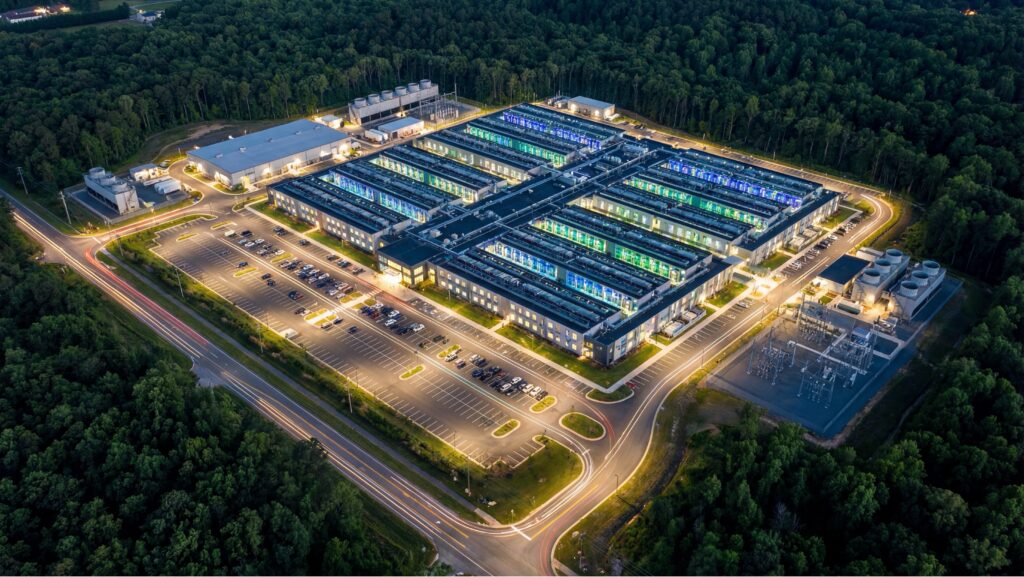
Amazon data centres suffer drone strikes in Gulf

Amazon Web Services data centres in the Gulf were physically struck in March by drones or missiles, with reporting attributing the attacks to Iranian forces. Fortune reports three AWS facilities were hit, two in the United Arab Emirates and one in Bahrain, and the strikes forced outages across banking, payments and enterprise services. AWS posted an April 30 update saying the ME-CENTRAL-1 and ME-SOUTH-1 regions "suffered damage" and that billing operations are suspended while repair work, which AWS said is expected to take several months, proceeds (Ars Technica, Tom's Hardware). Forbes reported that customer credits tied to the outages total about $150 million. News coverage and analysts quoted by The Next Web and Fortune say the attacks have shifted energy and investment calculations across the Gulf, with some data centre deals paused, and have highlighted insurance gaps tied to war exclusions (The Next Web, Forbes).
What happened
Amazon Web Services (AWS) data centres in the Gulf were struck by drones or missiles in March, with multiple outlets reporting the incidents as part of the wider Middle East conflict. Fortune reports three AWS facilities were hit, two in the United Arab Emirates and one in Bahrain. AWS posted an April 30 update saying the ME-CENTRAL-1 and ME-SOUTH-1 regions "suffered damage as a result of the conflict in the Middle East" and are "currently unable to reliably support customer applications," and that "relevant billing operations are currently suspended while we restore normal operations," a process AWS said is expected to take several months (Ars Technica; Tom's Hardware). Forbes reported that customer credits and related charges tied to the outages are approximately $150 million. Reporting also documents service impacts to payments, banking and regional enterprise services (Fortune; Yahoo Finance / Forbes).
Editorial analysis - technical context
Industry-pattern observations: Data centres are physical choke points for cloud and AI workloads, and reporting frames this incident as a demonstration of that dual-use vulnerability. Fortune and academic commentators cited in coverage note that commercial cloud infrastructure hosts both civilian and military workloads, which can make facilities attractive targets. For practitioners, the practical implications are visible: longer recovery timelines for physically damaged facilities, recommended cross-region failover, and renewed emphasis on hardened physical infrastructure and resilient backup strategies.
Context and significance
The attacks arrived amid a broader energy and security shock in the region. The Next Web reports Brent crude rising more than 55% over several months and cites the IEA characterising the effective closure of the Strait of Hormuz as the largest oil supply disruption in history. Those energy-price shifts erode the Gulf cost advantage that helped attract hyperscalers and large data centre builds, where markets previously offered industrial power at roughly $0.11 per kWh versus higher European rates, according to regional energy figures quoted by The Next Web. Several sources also relay that investment decisions have been paused or slowed; The Next Web cites Pure Data Center Group CEO Gary Wojtaszek telling CNBC his company had temporarily paused Middle East investment decisions, and BCLP partner Mark Richards saying decisions "are taking longer because of the nature of the risks." Those are reported observations from third parties, not company strategy statements.
Operational and commercial implications
What to watch
Industry context
Reporting highlights an insurance gap. Yahoo Finance, citing Forbes, quotes a data centre insurance specialist saying typical policies exclude war, meaning many operators and tenants may be left self-insuring for conflict-related damage. Multiple outlets document AWS advising customers to migrate workloads to other regions and restore from remote backups while repairs continue, underscoring the operational work required to maintain continuity when a region is physically disrupted (Ars Technica; Tom's Hardware).
Observers will monitor several indicators: whether hyperscalers change site selection criteria or add capital for physical hardening; whether insurers revise war-exclusion language or price cover for conflict risk; and whether regional energy pricing stabilises or remains elevated, affecting data centre TCO. Reporting also points to the possibility of further attacks or prolonged instability as a variable affecting project timetables; Fortune and The Next Web cite analysts and policy experts warning that data centres are increasingly strategic targets.
For practitioners
Editorial analysis
Teams running critical cloud workloads should treat this episode as a reminder to validate cross-region recovery plans, verify offsite backups, and run failover tests simulating multi-region outages. Industry reporting suggests that organisations with latency-tolerant or geographically distributed architectures will face fewer service interruptions than those with single-region dependencies.
Caveats
What happened paragraphs contain only reported facts from contemporaneous coverage. Analysis paragraphs are framed as industry observations and explicitly attributed where sources made claims. No internal AWS strategy or private intent has been asserted beyond the company updates and third-party reporting cited above.
Key Points
- 1Physical attacks on cloud regions expose dual-use risk: commercial data centres can host both civilian and military workloads, increasing targeting risk.
- 2Insurance and energy economics are shifting the data-centre cost model; war exclusions and higher power costs raise effective TCO for Gulf builds.
- 3Operational resilience now requires verified cross-region failover and remote backups, as repair timelines for physical damage can stretch months.
Scoring Rationale
The story affects core AI/cloud infrastructure and commercial risk models: physical strikes on AWS regions caused multi-week outages, large customer credits, and exposed insurance and energy vulnerabilities that matter to practitioners and operators.
Sources
Public references used for this report.
View 5 more sources
- Amazon loses $150M after drones hit its data centers - Yahoo Financefinance.yahoo.com
- Amazon cloud unit's data centers in UAE, Bahrain damaged in ...zawya.com
- Iranian strikes on data centres threaten HE disruptionuniversityworldnews.com
- The Legal and Policy Fallout from Data Center Strikes in the Middle ...techpolicy.press
- Why Iran Targeted Amazon Data Centers and What That Doesresearch.gatech.edu
Practice interview problems based on real data
1,625 SQL & Python problems across 15 industry datasets — the exact type of data you work with.
Try 250 free problems