AI screening tool increases eye exam referrals for African American patients
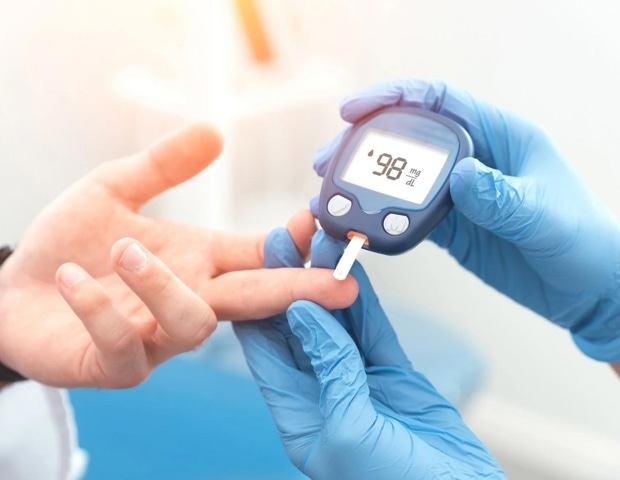
A Wilmer Eye Institute, Johns Hopkins Medicine study published April 13, 2026 in npj Digital Medicine found African American patients with diabetes were far more likely to get a diabetic eye exam referral when screened by an FDA-approved AI-assisted tool: 64.9% received a referral via the AI screen versus 44.4% via standard primary-care referral. The retrospective analysis covered 3,745 adult patients seen at Johns Hopkins primary care sites between August 2020 and September 2022, of whom 393 got an AI-assisted recommendation and 3,352 a standard provider referral. Patients who used the AI tool and completed their eye exam were 15% more likely to be African American. Principal investigator T.Y. Alvin Liu, M.D. cautioned that a referral doesn't guarantee people will attend a diabetic eye exam, even if it's needed, noting the AI tool also raised referral rates for patients with hypertension and chronic kidney disease.
The headline finding here is not just that an AI tool increased referrals, it is that it nearly closed a real-world equity gap: African American patients got an eye exam referral 64.9% of the time when an AI screen flagged them, versus 44.4% under standard primary-care judgment alone. A 20-point gap is a rare, concretely quantified disparity in a space where most AI-equity discussions stay abstract.
What happened
Investigators at the Wilmer Eye Institute, Johns Hopkins Medicine, led by principal investigator T.Y. Alvin Liu, M.D., published a retrospective analysis of 3,745 adult diabetes patients seen at Johns Hopkins primary care sites between August 2020 and September 2022 in npj Digital Medicine on April 13, 2026. Of these, 3,352 patients (mean age 60.6) received referrals from primary care providers and 393 patients (mean age 61.6) received a recommendation from an FDA-approved AI-assisted screening program. The study specifically examined two historically underserved groups: African American patients and patients covered by Medicaid.
Technical context
Patients screened with the AI tool had retinal images captured with a specialized camera and analyzed in real time during the same primary care visit; if diabetic retinopathy was detected, patients were informed and given a same-day referral to the Wilmer Eye Institute or another eye care specialist of their choice. That immediate, on-the-spot result is the key mechanical difference from a standard PCP referral, which asks a patient to schedule a separate exam based on risk rather than a confirmed finding.
Industry context
Comparing referral methods, researchers found a higher share of African American patients got an eye exam referral via the AI tool than via standard PCP referral (64.9% vs. 44.4%); patients with hypertension (89.6% vs. 82.6%) and chronic kidney disease (26.2% vs. 20.9%) showed a similar gap. Medicaid-coverage referral rates, by contrast, were comparable regardless of method (0.8% vs. 0.6%), meaning the AI tool narrowed the racial referral gap without similarly narrowing the insurance-based one. Patients who both used the AI tool and attended their eye exam were 15% more likely to be African American. The study builds on earlier work by Liu's team showing population-level referral increases from the same AI tool.
For practitioners
The result suggests point-of-care, same-day AI screening can close specific access gaps that delayed, judgment-based referral pathways do not, but the effect is not uniform across every disparity dimension. Teams deploying similar real-time screening tools in underserved settings should measure disparity-specific outcomes directly (as this study did for race, insurance status, hypertension, and kidney disease) rather than assuming a single equity benefit generalizes across subgroups.
What to watch
Liu says further work is needed to determine whether increased referral and exam attendance translates into better long-term vision outcomes, and whether the effect replicates at other health systems beyond Johns Hopkins' community-based primary care sites.
Key Points
- 1AI-assisted retinal screening raised diabetic eye exam referral rates for African American patients to 64.9%, versus 44.4% under standard primary care.
- 2Same-day, real-time AI results appear to close a referral gap that a delayed, judgment-based primary-care referral does not close as effectively.
- 3The Medicaid referral gap was unaffected by the AI tool, showing point-of-care AI can narrow some care disparities but not all of them.
Scoring Rationale
Verified and substantially strengthened with the actual quantified effect size (64.9% vs 44.4% referral rate, a peer-reviewed npj Digital Medicine paper, official Hopkins press release, named FDA-approved tool) rather than a vague summary. A concrete, well-powered real-world health-equity result from a named academic medical center, though still a single-site retrospective study rather than a broader deployment or new model release.
Sources
Public references used for this report.
Practice with real FinTech & Trading data
90 SQL & Python problems · 15 industry datasets
250 free problems · No credit card
See all FinTech & Trading problems