AI Rally Lifts Global Stocks Amid Gulf Tensions
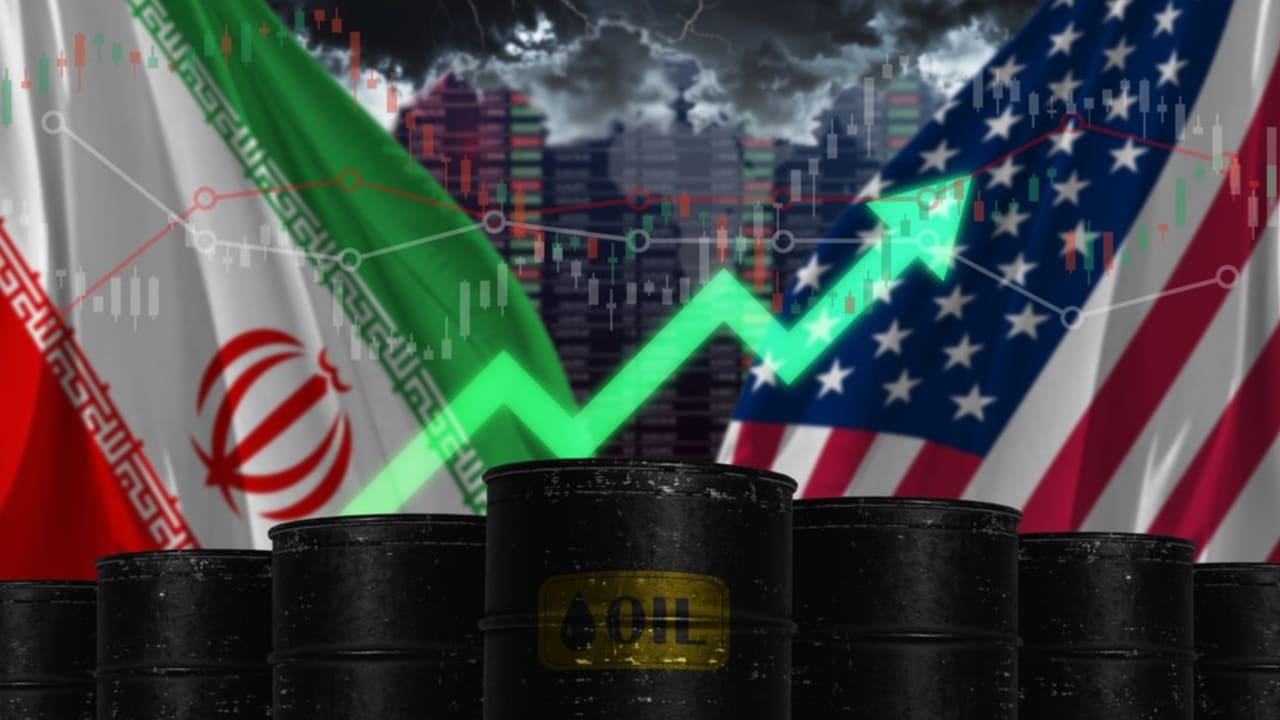
Reuters reported markets rallied on June 1 as an AI-driven demand surge helped key equity indexes hit or approach record highs even as Gulf tensions raised oil prices. The MSCI All-World index was up 0.13% and regional markets from Tokyo to Seoul traded at or near all-time peaks, Reuters reported. Brent crude rose nearly 3% to $94 a barrel, Reuters added, after fresh strikes and counterstrikes in and around the Strait of Hormuz. Reuters quoted JPMorgan economist Michael Feroli saying the acute risk phase for the global economy would abate if tankers can resume flows, and cited robust trade data, South Korea's exports hit $87.75 billion in May. This episode illustrates how concentrated demand for AI-related semiconductors and gear can support equity markets even amid renewed energy and geopolitical shocks.
What happened
Reuters reporting compiled in the JPost coverage shows global equity indexes firmed on June 1 as investor appetite for AI-linked assets helped offset renewed Gulf volatility. The MSCI All-World index was reported up 0.13% and markets from Tokyo to Seoul traded at or near all-time highs, Reuters said. Brent crude futures rose nearly 3% to $94 a barrel, Reuters reported, after fresh strikes and counterstrikes around the Strait of Hormuz and related military activity in the Gulf. Reuters also reported that South Korea's exports grew at the fastest annual pace in more than four decades in May, reaching $87.75 billion, a datapoint flagged as evidence of stronger demand for semiconductors and AI-related kit. The Star and Reuters noted that Japan's Nikkei and Korea's stock market have seen recent strong gains, while Reuters and The Star cited comments from JPMorgan economist Michael Feroli on conditions for risk abatement.
Technical details / Editorial analysis - technical context
Industry context
reporting across the New York Times, Reuters, and regional outlets underscores that the current market rally is concentrated in semiconductor and AI-supporting firms. The New York Times column noted a structural shift toward stocks whose chips optimise inference workloads, citing recent outperformance by companies such as Intel, TSMC, Samsung Electronics, and SK Hynix (New York Times, May 15). This distinction between chips for model training and chips for inference helps explain why some legacy or foundry players have outperformed in 2026.
Context and significance
What to watch
Editorial analysis
markets are effectively separating the macro shock from sector-level fundamentals. Multiple outlets, Reuters, Al Jazeera, and the Council on Foreign Relations (CFR), reported that the Iran war and disruptions in the Strait of Hormuz have elevated oil prices and created supply-chain risk for energy and commodity-dependent sectors. At the same time, reporting highlights persistent, concentrated investor demand for AI-capacity exposure. The CFR's analysis described the Iran conflict as triggering major geoeconomic disruption and potential structural shocks to energy and supply chains (CFR, March 17). Al Jazeera and Reuters coverage emphasized that some industries, including defense suppliers and AI/green-energy sectors, are benefitting amid the uncertainty.
Observed patterns in similar episodes: historically, sectors tied to a clear secular narrative (here, AI-driven semiconductor demand) can sustain equity gains even while broader macro or geopolitical risks rise. The New York Times observed that 2026 winners include companies positioned for inference workloads, a nuance that matters for hardware selection and capital allocation decisions across compute supply chains.
observers should track three indicators that will change market calculus:
- •shipping throughput through the Strait of Hormuz and official confirmations that tanker traffic has materially resumed
- •oil-price trajectories and IEA/IEA-chief commentary on whether the market is entering a 'red zone' in summer months (Reuters reported IEA warnings)
- •corporate earnings and trade data from major semiconductor exporters (South Korea, Taiwan, Japan) that would validate continued AI-driven demand. Also watch major industry events, such as Computex in Taiwan, where executives including Nvidia's Jensen Huang were reported to speak, for product cadence and supply-chain commentary (The Star)
Implications for practitioners
For practitioners
continued concentration in AI-linked equities implies heightened sensitivity to semiconductor supply signals and inference-hardware adoption trends. Procurement, capacity planning, and model deployment cost assumptions should incorporate potential short-term volatility in energy and logistics even as chip demand strengthens.
Bottom line
Reuters and regional reporting show the current market rally is driven by concentrated investor flows into AI and semiconductor-related exposures while geopolitical disruptions in the Gulf raise energy and supply-chain risk. Editorial analysis: this dual dynamic leaves portfolios exposed to both secular upside tied to AI infrastructure spending and episodic downside from geopolitically driven commodity shocks.
Key Points
- 1Industry context: AI-driven demand for semiconductors is underpinning equity gains even as Gulf tensions lift oil prices and market risk.
- 2Industry context: Market leadership is concentrated in firms enabling inference-foundries and memory makers-rather than training-centric GPU suppliers alone.
- 3Industry context: Practitioners should monitor Strait of Hormuz throughput, oil-price momentum, and export/trade data from Taiwan, South Korea, and Japan.
Scoring Rationale
This story is notable because it links AI-driven semiconductor demand to real market moves across multiple regions, which matters for practitioners tracking hardware demand and supply-chain risk. It is not frontier-model-level news, so it sits in the mid-high range for market relevance.
Sources
Public references used for this report.
View 7 more sources
- Iran war’s big winners: Wall Street, weapons firms, AI and green energyaljazeera.com
- Stocks shake off Iran jitters as AI pushes market up, even amid oil climbs and Hormuz crisisjpost.com
- Explainer-How far have the U.S. and Iran got towards ending the Iran war? By Reutersinvesting.com
- Asia stocks count on AI boom to offset Gulf risks | The Starthestar.com.my
- Uncovering Supply-Chain Risks in the Iran Warmsci.com
- Asia stocks extend AI bull run, oil up on Gulf hostilities - MSNmsn.com
- Oil prices rise on Gulf clashes, as AI fuels weekly stock increaseenergynews.oedigital.com
Practice interview problems based on real data
1,625 SQL & Python problems across 15 industry datasets — the exact type of data you work with.
Try 250 free problems