AI Increases Data Center Energy Demand, Raises Carbon Questions
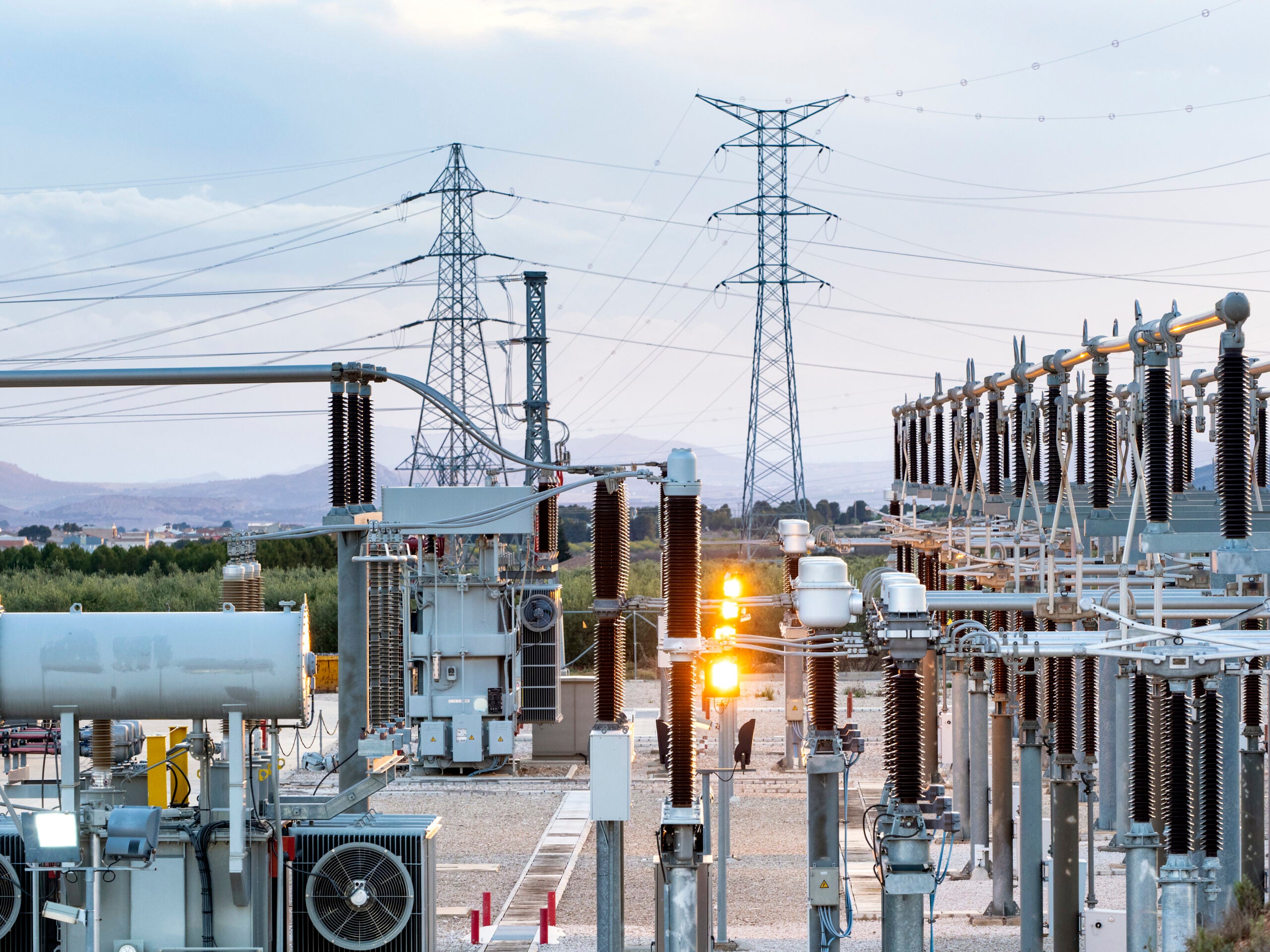
Per POWER magazine, Dr. Anastasia Behr and Dr. Young Lee published an article titled "Managing AI's Footprint in a Carbon-Constrained World" on May 13, 2026 that highlights the energy behind everyday AI features. The authors report that even small AI conveniences rely on a large amount of computing power for training and inference, and that this computing translates into growing electricity demand and emissions pressure. POWER frames the issue as one of managing AI's energy and carbon footprint as use of large models and inference scales spreads across industries.
What happened
Per POWER magazine, Dr. Anastasia Behr and Dr. Young Lee published the article "Managing AI's Footprint in a Carbon-Constrained World" on May 13, 2026 calling attention to the energy implications of AI deployment. The article reports that even routine AI tasks rely on significant computing resources, with the costs concentrated in training and inference workloads, and that this scale creates rising electricity consumption and carbon considerations for operators.
Editorial analysis - technical context
Context and significance
The topic sits at the intersection of AI operations and infrastructure planning. For practitioners, energy constraints change trade-offs in model design and deployment: the compute cost of pushing marginal accuracy gains needs to be weighed against energy, latency, and carbon budgets. Meanwhile, site selection, electricity sourcing, and collaboration with utilities matter more as compute footprints expand.
What to watch
Industry context
Training large-scale models and serving high-volume inference are energy-intensive activities that typically run on accelerator hardware in centralized data centers. These patterns increase demand for high-density power delivery, cooling capacity, and energy procurement, which in turn affect operational cost and grid load. Efficiency levers commonly discussed across the sector include model architecture optimisation, quantization and pruning, batching for inference, workload scheduling to exploit lower-carbon grid periods, and improvements in data-center Power Usage Effectiveness (PUE).
Observers should monitor reported metrics such as data-center PUE, disclosure of embodied and operational carbon for AI workflows, public commitments to carbon accounting for model development, shifts toward on-site renewables or power-purchase agreements, and tooling that surfaces energy per inference or training run. Progress in model-efficiency research and inference runtime optimizations will be practical indicators of how the sector responds to carbon constraints.
Key Points
- 1POWER highlights that routine AI features depend on substantial compute, concentrating energy use in training and inference.
- 2Industry context: Model and runtime efficiency, plus data-center PUE and procurement choices, are primary levers to reduce carbon impact.
- 3For practitioners: Tracking energy-per-inference and operational carbon metrics will become a practical KPI for deployments.
Scoring Rationale
The story draws attention to the operational and environmental trade-offs of scaling AI compute, which matter to engineers running models and infrastructure teams. It is notable but not a frontier technical breakthrough.
Practice interview problems based on real data
1,625 SQL & Python problems across 15 industry datasets — the exact type of data you work with.
Try 250 free problems