
ESPN airs AI-altered Tony Parker image during Game 1
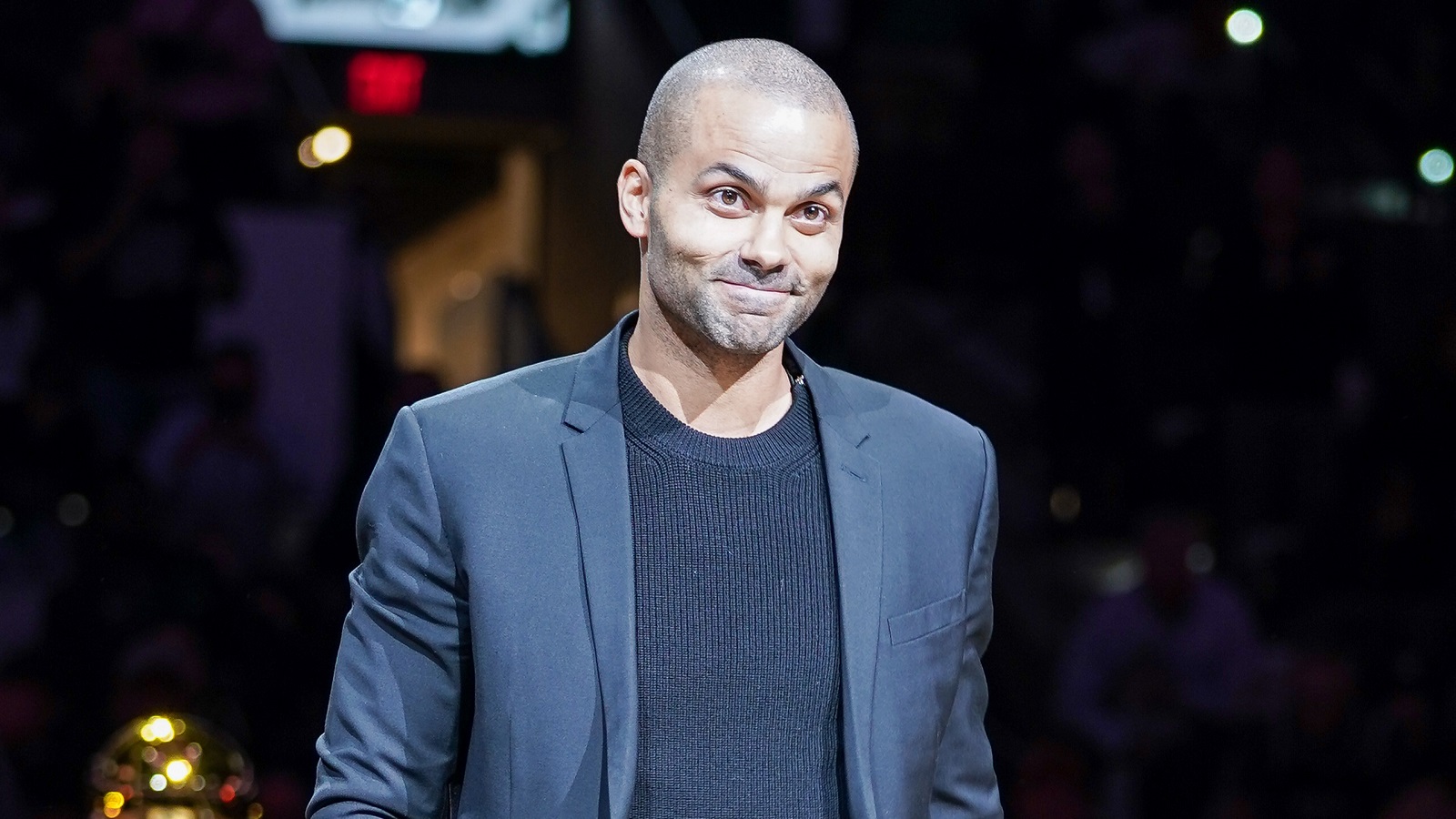
According to Front Office Sports, ESPN used AI tools to create a moving portrait of former Spurs guard Tony Parker that aired during Game 1 of the 2026 NBA Finals as the broadcast cut to a commercial break. Front Office Sports reports an ESPN spokesperson confirmed AI was used for that image and two other portraits, and said the network is "evaluating" whether to continue the technology in Game 2. The image was reworked from a photo taken after the Spurs' 2003 title; the telecast also showed an AI-altered Bill Russell photo. The clip drew swift criticism on X, including ABC News journalist Jon Healy, who asked, "Could ESPN really not find a genuine shot...?," and WFLA anchor Jeff Dubrof, who wrote, "AI sucks. This isn't Tony Parker. Do better. Gross," as reported by the New York Post and others. Observers see it as a reminder that visibly altered archival imagery can trigger fast reputational backlash.
What happened
According to Front Office Sports, ESPN aired a short, AI-altered moving portrait of former Spurs guard Tony Parker during Game 1 of the 2026 NBA Finals, shown as the broadcast cut to a commercial break. Front Office Sports reports an ESPN spokesperson confirmed the network used AI tools to create that image, along with two other moving portraits in the telecast, and said ESPN is "evaluating" whether to keep using the technology in Game 2. The Parker image was derived from a photo taken after the Spurs' 2003 championship, reworked into a colorized, subtly animated clip.
More altered imagery
Reporting by Front Office Sports, the New York Post, Yahoo Sports, The Spun, Awful Announcing, and others describes a colorized, faintly moving archival photo rather than an unaltered still, with enhanced facial expressions that several viewers called uncanny. The broadcast also showed an AI-altered version of a Bill Russell photo, based on an image of Russell taking a hook shot during the 1960 NBA Finals.
Audience and media reaction
Multiple outlets captured backlash on X. The New York Post and The Spun quote ABC News journalist Jon Healy: "Could ESPN really not find a genuine shot of Tony Parker as they cut to an ad break? Just had to use AI." WFLA sports anchor Jeff Dubrof is quoted saying, "AI sucks. This isn't Tony Parker. Do better. Gross." Sports outlets and fan accounts amplified the clip as "unnerving" or "unnecessary," framing it as part of a wider trend of AI-augmented graphics in sports broadcasts.
Industry context
Practitioner takeaway
Editorial analysis
Media and sports companies applying generative AI to archival photos typically aim to boost visual engagement, but observers note a recurring trade-off between novelty and authenticity. Disney, ESPN's parent, has deepened its AI push: in December 2025 it agreed to invest about $1 billion in OpenAI and license characters for the Sora video generator, which has sharpened scrutiny of how legacy media deploys generative tools.
For teams building or deploying generative-image pipelines, the episode highlights two common failure modes. Automated enhancement of faces can shift perceived identity when models overfit to features like a smile, and gaps between automated generation and editorial review can let visibly altered outputs reach air without provenance or labeling. Observers commonly recommend provenance tracking, human-in-the-loop review, and on-air disclosure when generative edits are material.
What to watch
- •Whether ESPN continues or drops the AI portraits in Game 2 and beyond, and whether it adopts disclosure practices for AI-enhanced archival imagery;
- •Any further public statements or internal review from ESPN or Disney;
- •How estates and rights holders of past athletes respond to uncredited alterations of archival photos.
Key Points
- 1Front Office Sports reports ESPN used AI to create a moving Tony Parker portrait during NBA Finals Game 1; the network is "evaluating" continued use.
- 2Media figures and fans quickly criticized the altered image; quoted reactions include Jon Healy and Jeff Dubrof, as reported by multiple outlets.
- 3Industry observers note broadcasters applying generative AI to archival photos risk credibility without clear provenance, human review, and on-air disclosure.
Scoring Rationale
ESPN airing AI-altered archival portraits of Tony Parker and Bill Russell during NBA Finals Game 1, then publicly saying it is 'evaluating' the practice, is a widely covered content-integrity and provenance controversy relevant to teams deploying generative media. It is a cultural and reputational signal rather than a frontier-model or platform event, so it lands in the solid band.
Sources
Public references used for this report.
View 5 more sources
- ESPN criticized for using AI version of Tony Parker - Awful Announcingamp.awfulannouncing.com
- Basketball Fans Disgusted as ESPN Airs AI Slop Version of NBA ...futurism.com
- ESPN's AI Tony Parker image was unsettling and unnecessary ...sports.yahoo.com
- ESPN Under Fire For Using AI-Generated Image During NBA Finalsthespun.com
- Calls Mount for ESPN to Ditch AI Graphics After Bizarre Tony Parker ...profootballnetwork.com
Practice interview problems based on real data
1,625 SQL & Python problems across 15 industry datasets — the exact type of data you work with.
Try 250 free problems

