AI-generated film Dreams of Violets premieres at Tribeca
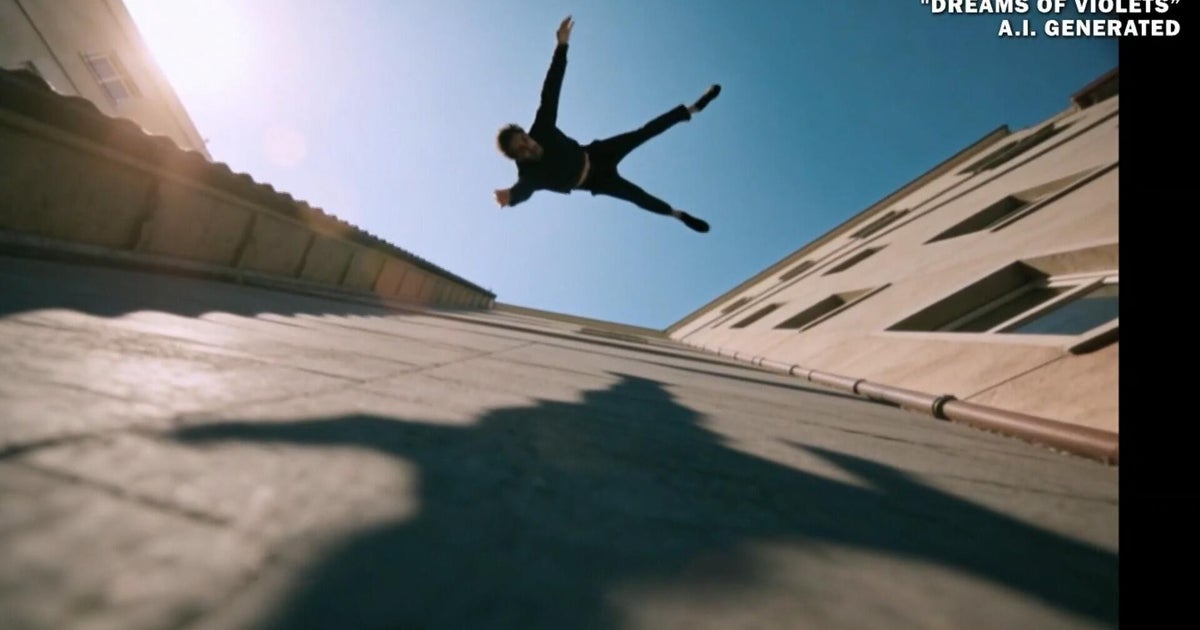
Class A - Reported facts: According to Variety and The Hollywood Reporter, Dreams of Violets is a fully AI-generated, roughly 75-minute feature that will premiere June 10 at the Tribeca Festival. Fountain 0 and multiple outlets say the film was produced for about $2,000 and assembled in roughly three months, with every image and person created by AI tools. Class A - Reported facts: Sources including Variety, The Hollywood Reporter, and The Verge name tools used in production: Kling AI for video generation, Anthropic's Claude for language editing, and Google tools including Nanobanana and Gemini for imagery and research. Class A - Reported facts: Tribeca co-founder Jane Rosenthal is quoted praising the project as an example of emerging technologies used for storytelling, and director Ash Koosha is quoted saying he would have preferred a traditional crew but lacked access, per Deadline and Variety. Festival selection and the low production cost highlight growing pressure points and opportunities around generative video for narrative work, and practitioners should watch for technical reproducibility, rights concerns, and ethical debate around sensitive subject matter.
What happened
Class A - Reported facts: Dreams of Violets, a feature-length film described by Fountain 0 and covered by Variety, The Hollywood Reporter, Deadline, The Verge, and CBC, is a fully AI-generated docudrama inspired by January 2026 protests in Iran. Class A - Reported facts: According to Variety and The Hollywood Reporter, the project runs about 75 minutes, was produced for approximately $2,000, and was assembled in roughly three months. Class A - Reported facts: The film is scheduled for a world premiere on June 10 at the Tribeca Festival, and Tribeca co-founder Jane Rosenthal is quoted in multiple outlets calling the film "a powerful example of how emerging technologies like AI can be used not simply as tools of innovation, but as vehicles for deeply human storytelling." Class A - Reported facts: Reporters and company statements say the filmmakers used tools such as Kling AI for video generation, Anthropic's Claude for language editing, and Google tools including Nanobanana and Gemini for imagery and research, and that Fountain 0 claims the film is the first full-length, live-action AI-generated film accepted into a major festival program.
Technical details
Editorial analysis - technical context
The production described in reporting combines multiple generative building blocks rather than a single end-to-end pipeline. Industry reporting lists three functional layers: image and reference sourcing, generative video/image synthesis, and language or script editing. That pattern mirrors current practitioner stacks where separate models are chained to handle visual generation, voice and text, and compositing. Editorial analysis - technical context: For model and toolmakers, the project highlights system integration challenges practitioners face, including frame coherence, temporal consistency, and directing generated actors, all of which are active research and product areas in generative video.
Context and significance
Festival acceptance gives a high-visibility example of generative video used for narrative cinema, which may accelerate discussion across creative industries about authenticity, attribution, and labor. Industry context: Multiple outlets report public backlash to the trailer and publisher statements defending the film, indicating the controversy is not purely technical but also ethical and cultural, especially because the subject matter concerns real-world violence and repression. Industry context: The quoted remarks from Ash Koosha, "I would have preferred to make this film with a crew, with actors, with the dignity of a full production," appear in Variety and Deadline, and they foreground how access constraints motivated the filmmakers to adopt AI tools, per reporting.
What to watch
Industry context
Observers should track three indicators over the coming months: festival and distributor reactions to AI-generated features, the degree to which authorship and rights questions surface in contracts and festival rules, and technical benchmarks or demos that address temporal coherence in multi-minute generated video. Industry context: Coverage cites specific tools used, so practitioners will monitor how capabilities and licensing policies from vendors such as the named providers evolve in response to high-profile creative uses. Industry context: Pay attention to regulatory or festival policy changes, and to how mainstream criticism shapes the social license for sensitive narrative subjects generated with AI.
Key Points
- 1Festival acceptance shows generative video can reach mainstream cultural venues, raising questions about authorship and curation.
- 2Low reported cost and rapid production underscore how tool chaining reduces barriers, intensifying debate over labor and rights.
- 3Practical production used multiple specialized tools, reinforcing that temporal coherence and tooling integration remain core engineering challenges.
Scoring Rationale
The story is notable for being a high-visibility, festival-accepted example of a full-length AI-generated feature, which matters to generative-video practitioners and media workflows. It is not a frontier-model or regulatory turning point, so its impact is moderate but relevant.
Sources
Public references used for this report.
View 6 more sources
- AI-Generated Drama ‘Dreams Of Violets’ To Premiere At Tribeca Festivaldeadline.com
- No cast, no crew, no cameras: AI-generated film premiering at Tribeca Festivalcbc.ca
- AI-Generated Film About Iranian Protest Violence Heads to Tribeca Film Festivalcnet.com
- An All AI-Generated Film Is Coming to Tribeca and It’s Sure to Raise Eyebrowsrollingstone.com
- AI-Generated Iran Protest Film Dreams of Violets to Premiere at Tribeca Festival: Watch the Trailerconsequence.net
- Lights, camera, algorithm: First fully AI-generated film set to premiere at Tribeca Festivalindependent.co.uk
Practice interview problems based on real data
1,625 SQL & Python problems across 15 industry datasets — the exact type of data you work with.
Try 250 free problems