AI Firms Battle in Bores Congressional Primary

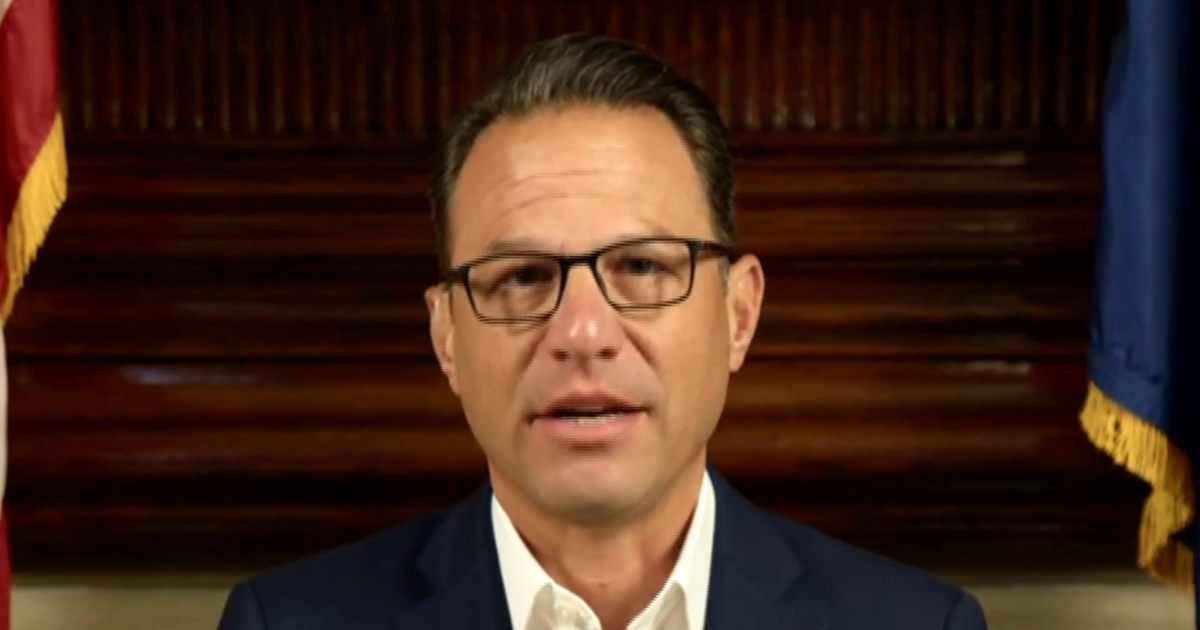
Gideon Lewis-Kraus reports the New York Democratic primary for the 12th District has become a national proxy fight over AI policy that, he writes, "pitted OpenAI's influence against Anthropic's." According to Politico, crypto billionaire Chris Larsen is committing $3.5 million to a super PAC supporting Assemblymember Alex Bores; Larsen told Politico he is defending Bores against industry opposition. Politico quotes Larsen: "Unfortunately, some folks in the AI industry are really trying to make an example of Alex..." Reporting by the Wall Street Journal says groups opposed to strict AI regulation are pouring about $265 million into the 2026 elections. This contest illustrates how big tech funding is now a battleground for AI regulatory influence.
Editorial analysis - technical context
Industry-pattern observations: Moneyed stakeholders increasingly treat regulatory fights as proxy contests between rival AI ecosystems. Historically, when regulation intersects with platform effects and data access, well-funded coalitions form around narrow legislative outcomes that affect model development, data flows, and deployment constraints. For practitioners, that pattern translates into an environment where regulatory uncertainty can shift rapidly as political spending changes the balance of influential voices.
Context and significance
What the reporting documents
- •Politico documents Chris Larsen's $3.5 million contribution to a pro-Bores super PAC and includes Larsen's quoted rationale for intervening.
- •Politico includes a quote attributed to an OpenAI spokesperson asserting the company has prioritized safety systems since its founding.
- •The Wall Street Journal reports about $265 million has been mobilized by groups opposing strict AI regulation for the 2026 cycle and describes negative advertising targeting Bores.
What to watch
Editorial analysis
The Bores primary illustrates three intersecting dynamics observers track in AI governance: high-dollar political spending by tech insiders and adjacent industries, emerging partisan and intraparty divisions over how tightly to regulate AI, and the use of local and federal races to set national policy precedents. Reporting from Politico and WSJ together shows both targeted donations and broader industry-anchored ad campaigns are now tactical instruments for shaping AI policy debates ahead of congressional action.
Observers should track how PAC spending correlates with legislative language and committee priorities after the midterms, and whether coalitions favoring looser or tighter regulatory regimes consolidate around specific bills or oversight approaches. Indicators to watch include reported donor coordination across races, the emergence of model-specific provisions (for example, disclosure, testing, or safety standards), and whether new federal offices or funding lines for oversight receive explicit backing from the same coalitions that spend in primaries.
Implications for practitioners
For practitioners
If reporting-driven spending patterns continue, regulatory timelines and the shape of compliance obligations could be influenced as much by political campaign outcomes as by technical consensus. Companies and practitioners building models, safety tooling, or governance frameworks will likely face shifting policy risk windows tied to electoral cycles and the priorities of newly empowered lawmakers.
Limitations and open questions
What happened
Gideon Lewis-Kraus's feature frames the Manhattan congressional primary around Alex Bores as a national proxy fight over AI policy, and notes the contest has "pitted OpenAI's influence against Anthropic's," according to the original report. Per Politico, crypto executive Chris Larsen is funneling $3.5 million into the super PAC "You Can Push Back" to support Mr. Bores; Politico records Larsen saying, "Unfortunately, some folks in the AI industry are really trying to make an example of Alex..." Politico also reports a statement from an OpenAI spokesperson, Drew Pusateri: "Since our founding we've prioritized creating and improving cutting-edge safety systems in an entirely new industry and proposed some of the strongest kids safety regulations in the country." The Wall Street Journal reports that groups opposed to strict AI regulation are spending about $265 million in the 2026 election cycle, and describes negative ads and PAC activity targeting Bores.
The sources document spending and public statements; they do not provide an internal roadmap or private strategy for any company involved. Reporting does not establish direct, traced payments from specific corporate treasuries to all supporting PACs, and several accounts note that individual executives, rather than corporate general funds, are among donors.
Key Points
- 1High-dollar donations are shaping a Manhattan primary into a national AI policy battleground, concentrating attention on regulation outcomes.
- 2Major donors and industry-aligned groups are already deploying roughly $265 million this cycle, raising the stakes for near-term legislative priorities.
- 3Industry-pattern observers should expect electoral spending to accelerate policy uncertainty, affecting compliance timelines and governance choices.
Scoring Rationale
The story matters because it shows concentrated political spending is now directly contesting AI policy at the campaign level, which can materially alter regulatory timelines and priorities practitioners must plan for. The item is notable rather than industry-shattering, so it scores in the mid-high range for policy relevance.
Sources
Public references used for this report.
Practice with real Ad Tech data
90 SQL & Python problems · 15 industry datasets
250 free problems · No credit card
See all Ad Tech problems