AI Factions Drive New York Primary Spending Surge
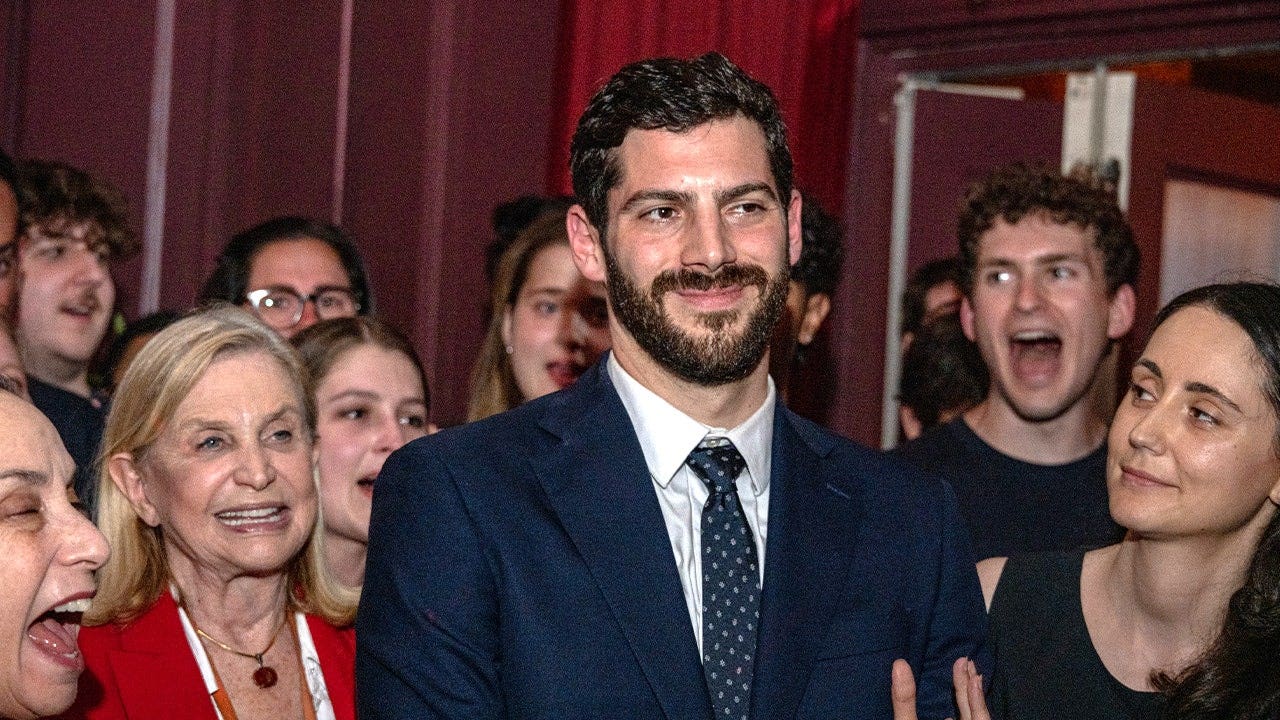
The Democratic primary in New York's 12th Congressional District became a national proxy fight over AI regulation, drawing unusually large political spending. According to AdImpact Politics and reporting aggregated by Fox News, the contest saw about $26.3 million in ad spending, making it the second-most expensive House primary on record. New York Assemblyman Micah Lasher won the June 23 primary over Assemblyman Alex Bores; Fox reported Lasher captured 39% of the vote to Bores' 35%, and NBC News projected Lasher the victor. The race attracted opposing AI-aligned Super PACs: reporting in The Guardian, The Washington Post, CNBC and The Verge identifies groups tied to venture capitalists Marc Andreessen and Ben Horowitz and to OpenAI co-founder Greg Brockman on the anti-Bores side, while AI-safety aligned groups including supporters linked to Anthropic poured millions into ads supporting Bores.
What happened
The Democratic primary in New York's 12th Congressional District turned into a high-dollar proxy battle over AI regulation. According to AdImpact Politics as reported by Fox News, the race recorded roughly $26.3 million in ad spending, making it the second-most expensive House primary on record. Fox reported that Micah Lasher won the June 23 primary with 39% of the vote to Alex Bores' 35%; NBC News projected Lasher the victor. Multiple outlets, including CNBC, The Guardian, The Washington Post and The Verge, documented that opposing AI-aligned Super PACs and advocacy groups funneled large sums into the contest.
Technical details
Context and significance
What to watch
Editorial analysis
The spending pattern reflects two distinct political vehicles active this cycle. Reporting by The Guardian and CNBC identifies a network described as Leading the Future or affiliated Super PACs that spent millions opposing Bores, with Federal Election Commission filings and FEC-tracked data cited by those outlets naming donors such as Marc Andreessen, Ben Horowitz, and Greg Brockman. Countervailing spending came from AI-safety aligned groups and allied Super PACs, which multiple outlets reported contributed more than $20 million in support of Bores or to oppose his opponents, according to coverage in Fox News and The Verge. These flows manifested largely as televised and digital ad buys; AdImpact Politics provided the ad-spend totals highlighted above.
For practitioners, the NY-12 contest is a clear example of how emerging technology policy fights are migrating into expensive, targeted political spending. Coverage in The Washington Post and The Guardian frames the race as emblematic of a broader industry split over whether to pursue federal frameworks for AI governance or to push for lighter regulation. The Verge and CNBC coverage document that both pro-growth and safety-oriented factions in the AI ecosystem are deploying traditional political tools, including Super PACs and large ad buys, to influence a single federal seat that could shape legislative approaches.
Observers should track three measurable indicators in similar contests: FEC disclosures for large individual or PAC donations, ad-tracking datasets such as AdImpact for district-level spend, and Super PAC organizational disclosures that show donor concentration. Reporting also suggests attention to how platform firms and major AI companies choose to communicate about political spending; several outlets cited company alumni or executives as donors, but corporate disclosure varied across coverage. Finally, practitioners following regulatory outcomes should monitor whether seats with heavy AI-industry spending produce Congressional sponsors of federal AI policy proposals in 2027 and beyond.
Key Points
- 1NY-12 became a high-dollar proxy for AI regulation, drawing roughly $26.3M in ad buys, concentrating influence in one Manhattan district.
- 2Opposing AI-aligned Super PACs and safety-focused groups spent major sums, showing the industry is funding both deregulatory and precautionary political actors.
- 3Ad spend and FEC disclosures now serve as an early indicator of which AI policy frameworks may win legislative attention.
Scoring Rationale
NY-12 primary saw ~$26.3M in ad spending as opposing AI industry factions backed different candidates, making it the second-most expensive House primary on record. Notable for practitioners tracking AI policy and regulatory risk, but is an electoral/political story rather than a technical development or platform milestone.
Sources
Public references used for this report.
View 9 more sources
- New York Democrat Micah Lasher wins House primary that drew big spending from AI groupsnbcnews.com
- AI PACs pour $20 million into New York Democratic primary in AI regulation battlecnbc.com
- The New York Democratic Primaries Are Also a Battleground for the AI Industrygizmodo.com
- The NY-12 Primary Is Awash with Money but Short on Beliefnewyorker.com
- Record spending in NY-12 primary over AI regulationthehill.com
- Inside the $26M tech industry war on Tuesday’s ballotpolitico.com
- A cheat sheet to super PACs in the 2026 New York primariescityandstateny.com
- New York's 12th Congressional District election, 2026 ...ballotpedia.org
- Tech Industry Defector in NY-12 Gets Boost From New ...prospect.org
Practice with real Ad Tech data
90 SQL & Python problems · 15 industry datasets
250 free problems · No credit card
See all Ad Tech problems