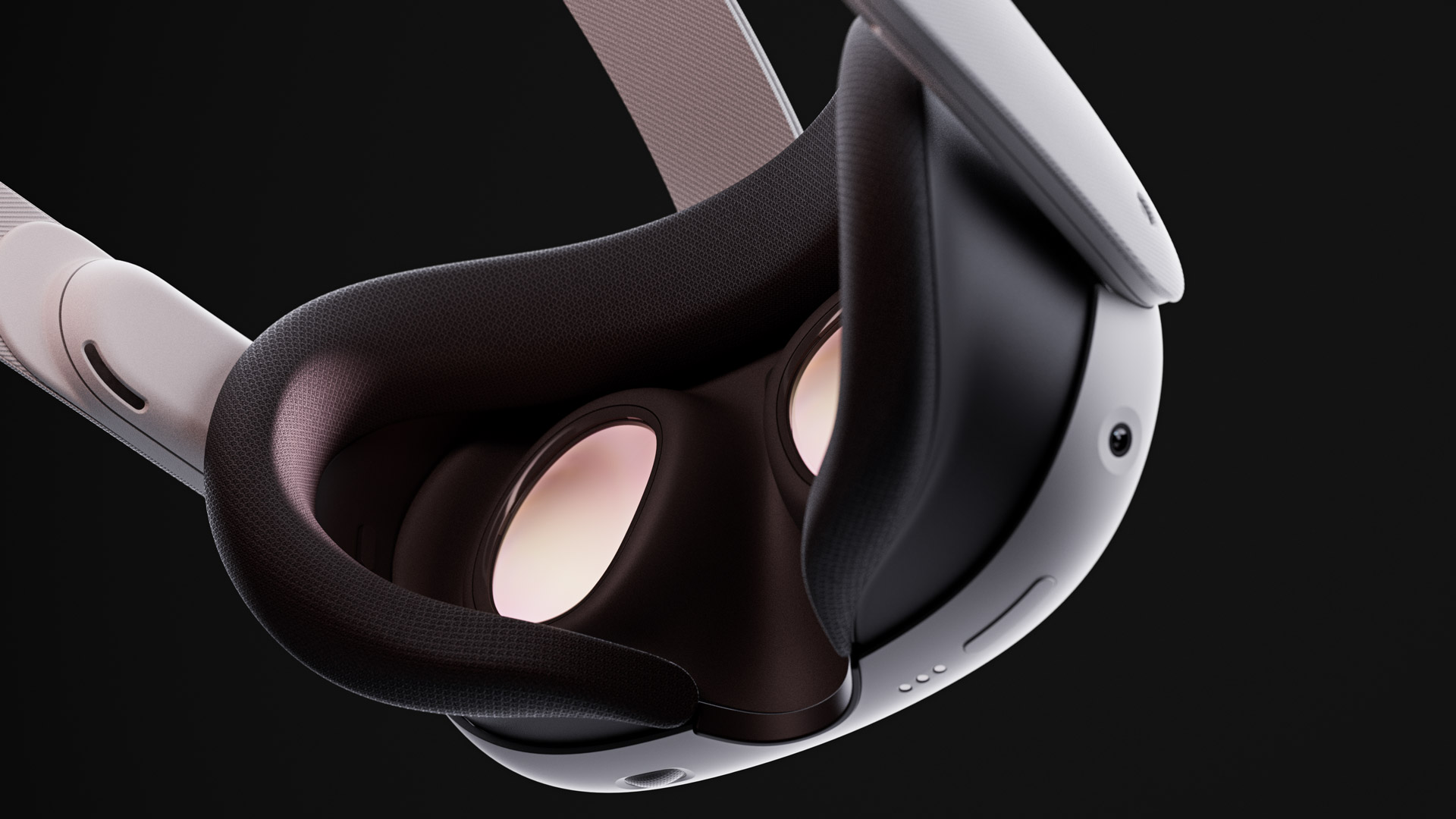
AI Agents Redefine Smart Glasses Consumer Interfaces
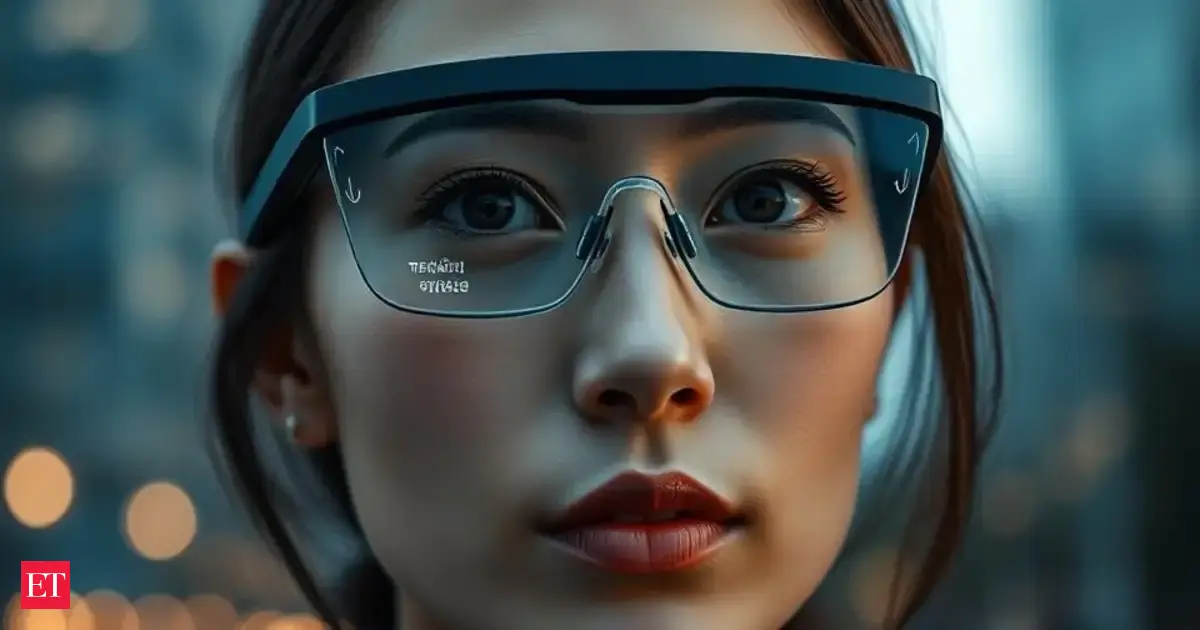
Industry observers say a convergence of AI agents and smart glasses is beginning to change consumer computing, shifting interfaces from touch-driven smartphones toward voice- and context-driven wearable experiences. Advances in efficient AI models, low-power chips, sensors and optics (e.g., optical waveguides), coupled with Meta, Apple and Google's investments, make glanceable overlays and ambient assistants feasible, though battery, privacy and social acceptance remain barriers to wide adoption.
Key Points
- 1Convergence of AI agents and smart glasses enables voice- and context-driven hands-free interactions
- 2Advances in efficient models, low-power chips, sensors and optical waveguides make wearable UX feasible
- 3Developers must design intent-aware agents and glanceable UIs while addressing privacy, battery and social concerns
Scoring Rationale
Industry-wide trend with strategic implications; limited novel findings and anecdotal sourcing reduce immediate technical impact.
Practice interview problems based on real data
1,625 SQL & Python problems across 15 industry datasets — the exact type of data you work with.
Try 250 free problems