Meta Introduces XR Operator for Quest Testing
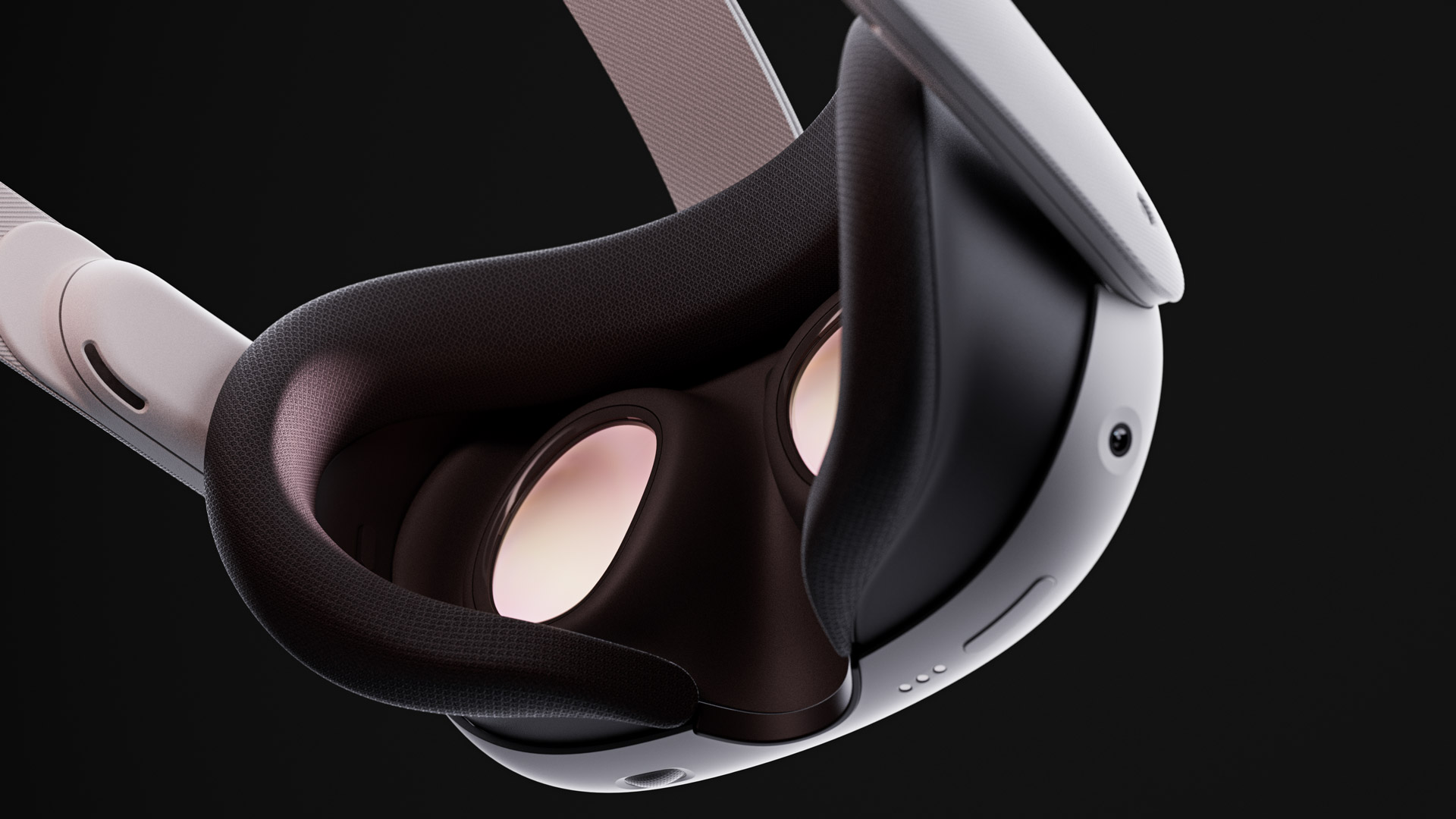
Meta introduced Meta XR Operator on August 26 as an experimental component of Meta XR SDK v205 for testing OpenXR-based Quest applications with AI agents. Road to VR reports that MCP-compatible agents can navigate a running app in Meta XR Simulator, capture screenshots, identify issues, apply fixes, and verify results. The tool is limited to static, deterministic scenarios and does not evaluate audio or subtle motion defects reliably.
Meta introduced Meta XR Operator, an experimental development tool in Meta XR SDK v205 that gives AI agents a way to inspect and interact with running Quest virtual reality and mixed reality applications. According to Road to VR, the OpenXR API layer can enable Model Context Protocol (MCP)-compatible coding agents to build Unity scenes, launch an application in Meta XR Simulator, capture screenshots, identify issues, apply fixes, and visually verify the result.
Spatial Insider reports that XR Operator works with OpenXR-based Quest projects and lets an agent move a virtual headset and controllers, press buttons and triggers, and inspect changes in the application. The publication describes the tool as exposing both the user's rendered view and spatial context such as rooms, walls, floors, and other objects.
Agent-accessible XR testing
The operator connects a local server to MCP tools, according to Spatial Insider. This matters because MCP provides a common interface for agent clients, rather than requiring a separate integration for each coding assistant. Meta's related meta-quest/agentic-tools GitHub repository includes packaging for Claude Code, Cursor, Codex, GitHub Copilot CLI, and Gemini-compatible environments; its documentation identifies the metavr CLI as providing device management, app management, performance tools, and documentation search through commands and an MCP server.
Road to VR reports that developers can describe a test scenario in natural language and receive pass-fail evidence with screenshots, rather than writing a test script for every scene. It also reports that Meta conducted early tests with Beat Games and other Meta XR SDK developers. One cited demonstration had an agent create and play a Unity-based VR Tic-Tac-Toe experience by aiming a virtual controller at cells and pressing the A button.
XR Operator can run in the desktop-oriented Meta XR Simulator and on Quest hardware, according to Spatial Insider. The simulator option could reduce the need to repeatedly don and remove a headset during basic regression testing, although test coverage and fidelity remain separate engineering questions.
Current boundaries
Road to VR characterizes the tool as incomplete for full verification. It reports that XR Operator cannot hear audio, properly assess animation or motion, use individual finger tracking, or reliably detect subtle visual defects. Moving interactions are also difficult because the tool operates too slowly for real-time interaction; Meta describes its strongest fit as "static, deterministic scenarios," according to the publication.
The reported engine integration is also uneven. Road to VR states that XR Operator is available in Meta XR Core SDK for Unity. Developers using other OpenXR-supported engines, including Godot and Unreal Engine, can download a standalone package and perform their own integration, according to the report.
For XR engineering teams, the immediate value is likely in repeatable interaction checks such as UI navigation, scene-state validation, and scripted regression flows. Comparable agent-driven testing systems tend to work best where success conditions can be expressed through explicit application state, screenshots, or deterministic interaction sequences. Audio quality, perceptual comfort, fast hand motion, animation quality, and subtle rendering issues generally still require specialized automated checks or human testing.
Key Points
- 1Meta XR Operator exposes running Quest application interaction to MCP-compatible agents, extending coding-agent workflows from source edits into spatial app testing.
- 2Natural-language scenarios and screenshot evidence can accelerate deterministic regression checks, where application state and expected interactions are straightforward to validate.
- 3Audio, animation, finger tracking, and subtle visual evaluation remain gaps, reflecting broader limits of agent-driven testing for perceptual XR quality.
Scoring Rationale
This is a notable developer-tool release for teams building Quest and OpenXR applications, particularly those experimenting with MCP-based coding agents. Its experimental status and substantial coverage limits constrain its near-term impact beyond deterministic XR test workflows.
Sources
Primary source and supporting public references used for this report.
Practice with real Ad Tech data
90 SQL & Python problems · 15 industry datasets
250 free problems · No credit card
See all Ad Tech problems