AI Agents Orchestrate Humans As On-Demand Workforce
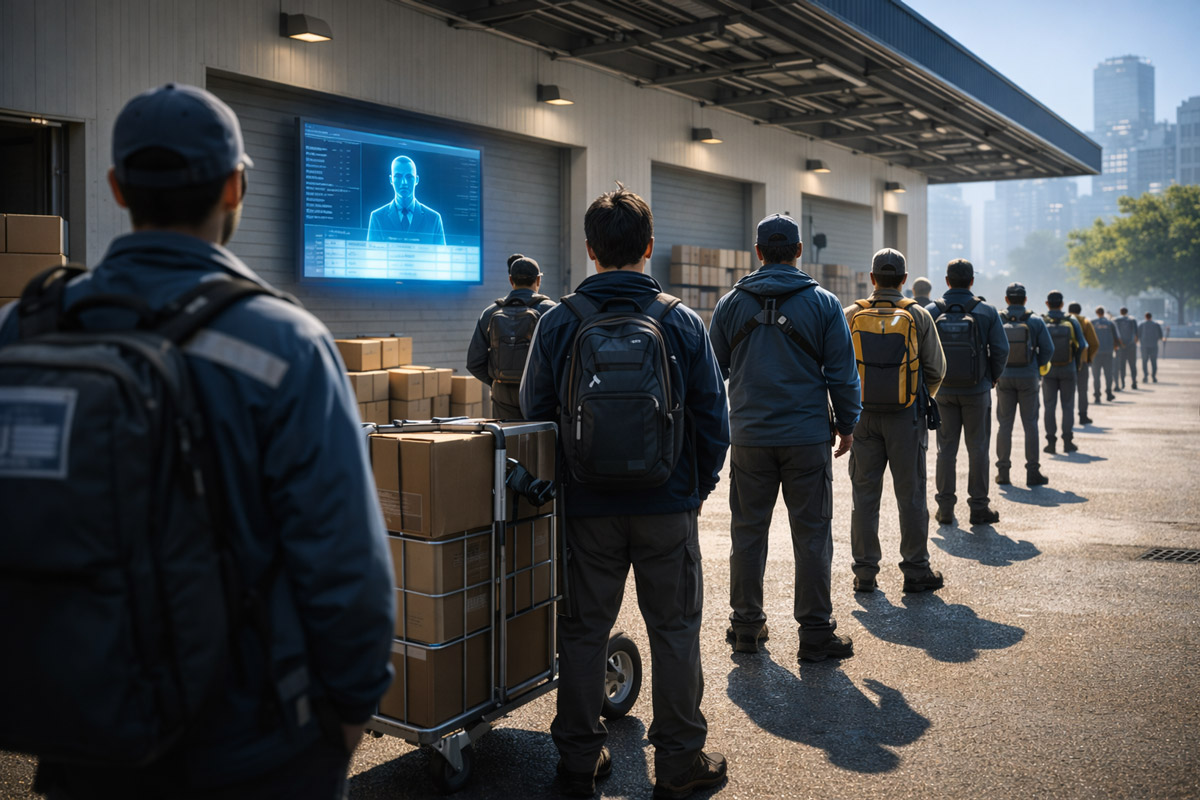
AI agents are evolving from isolated automation tools into orchestration layers that invoke humans as callable infrastructure. Platforms like Rentahuman.ai expose a marketplace and API that lets autonomous agents delegate physical tasks-identity checks, in-person verifications, document signings, site visits-to vetted human workers. This shifts the economic model from replacement to coordination: human labor becomes modular, addressable, and embedded into machine workflows. For practitioners this matters because it expands agent capability without new robotics, creates new integration points and failure modes for systems that mix automated decisioning with real-world actions, and raises operational, legal, and ethical questions around consent, liability, and labor standards. Engineers should evaluate authentication, traceability, latency, and trust assumptions when integrating these callable-human endpoints into production agent stacks.
What happened
AI agents are transitioning from standalone automation to orchestration layers that recruit humans as remote actuators. Platforms such as Rentahuman.ai enable autonomous systems to 'hire' people through a callable API, letting agents complete tasks they cannot physically perform. The guest piece coins the clawbot metaphor to describe agents that extend reach into the physical world by delegating actions to human endpoints.
Technical details
Practitioners should treat this as a new integration pattern: agents call out to human services over API endpoints, then reconcile human-executed outcomes with automated state. Typical use cases include:
- •in-person identity verification and document signing
- •site walkthroughs and physical inspections
- •logistics handoffs and last-mile interventions
- •ad-hoc human judgement or sensory input where sensors are unavailable
These systems introduce operational vectors that matter for reliability: human latency, batch availability, verification of human work, and audit logging. Security and access controls around the API, plus provenance metadata and cryptographic receipts for human actions, become essential.
Context and significance
This is not about robots replacing people, but about treating humans as modular infrastructure. That realigns business models toward coordination economies where value comes from orchestrating distributed human and machine capabilities. It lowers the bar for agents to act in the world without hardware investment, but it also surfaces governance, labor, and liability challenges similar to gig platforms.
What to watch
Watch how platforms standardize provenance, SLAs, and compliance; regulators and enterprise buyers will push for verifiable audit trails and worker protections as integrations scale.
Key Points
- 1AI agents now delegate physical tasks to humans via API, enabling real-world actions without robotics investment.
- 2Treating humans as callable infrastructure modularizes labor, improving agent capability but increasing operational complexity.
- 3Enterprises must add provenance, verification, and legal guardrails when combining automated decisioning with human-executed work.
Scoring Rationale
The story highlights a practical, emerging integration pattern-AI agents invoking human endpoints-that meaningfully affects system design and operations. It is notable for product and platform teams but not yet a paradigm-shifting milestone, and it is a same-day piece so freshness reduces the score slightly.
Practice interview problems based on real data
1,625 SQL & Python problems across 15 industry datasets — the exact type of data you work with.
Try 250 free problems