Agentic Software Development Leads SDLC Automation
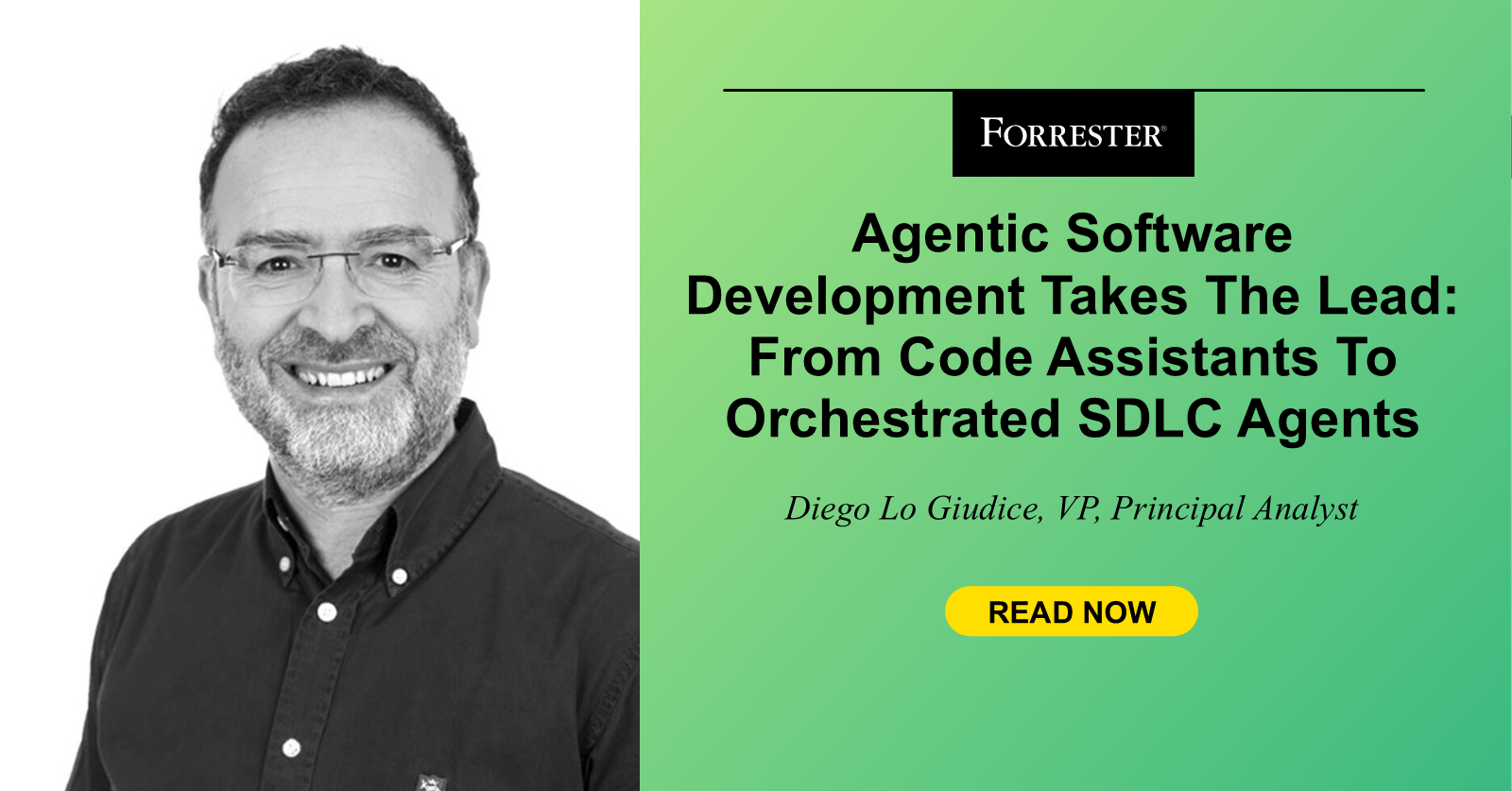
According to a Forrester blog post published June 8, 2026, generative AI in software development has moved beyond isolated code assistants into "agentic" systems that coordinate across the entire software development lifecycle (SDLC). Forrester, which coined the term "TuringBots" for AI coding assistants in 2021, says these tools are becoming agentic and that the market is shifting toward orchestrated SDLC agents that plan, build, test, and deliver software with greater end-to-end automation. The post frames this as a multi-year progression from coding-focused assistants in 2023-2024 to broader design and testing support in 2025 and orchestrated, end-to-end automation in 2026. Forrester argues agentic approaches help teams deliver faster without proportional headcount growth.
What happened
Forrester published a blog post on June 8, 2026 arguing that generative AI in software development has crossed from tool-centric "code assistants" to systems it describes as agentic. Forrester, which coined the term "TuringBots" for AI coding assistants in 2021, says these tools are now becoming agentic, with coordinated agents working across the full software development lifecycle (SDLC). The post outlines a multi-phase evolution: coding and unit testing in 2023-2024, expansion into design, documentation, and test generation in 2025, and a shift toward orchestrated, end-to-end SDLC automation in 2026. Forrester frames agentic development as a way to deliver faster without proportional headcount growth.
Editorial analysis - technical context
As a generic industry pattern, agentic development systems combine planning, state and context tracking, and tool orchestration to sequence multi-step workflows. In practice that means three building blocks: durable state and context management, modular tool or API wrappers that expose build, test, and deploy actions, and policy or guardrails for safety and compliance. Wiring these together raises engineering concerns around observability, reproducibility, and secure credential handling across pipelines.
Why it matters
The shift from single-call code generation to multi-agent, orchestrated workflows can amplify automation value but also concentrates operational risk. Comparable transitions in other domains have raised productivity while exposing new failure modes in coordination and monitoring. For developer teams, agentic orchestration can reduce repetitive work but typically requires investment in integration, testing, and runtime governance to keep outcomes safe and auditable. This is Forrester's analyst framing rather than a benchmark or product release, so claims about pace and impact should be read as forward-looking.
What to watch
- •Vendor announcements of native SDLC orchestration, and open-source agent frameworks tuned for build, test, and deploy.
- •How toolchains enforce policy, manage secrets, and roll back faulty agent actions.
- •Emerging standards for agent-to-tool interfaces, audit logs, and reproducible environment snapshots that make agentic runs reliable.
Key Points
- 1Forrester says AI coding tools ("TuringBots") are turning agentic, shifting from isolated assistants to orchestrated agents spanning the full SDLC.
- 2Coordinating planning, coding, testing, and delivery promises end-to-end automation and faster delivery without proportional headcount growth, per Forrester.
- 3For practitioners, value rises but so do needs for observability, secure credential handling, agent-tool standards, and rollback in production pipelines.
Scoring Rationale
A single Forrester analyst blog post arguing that AI coding tools ('TuringBots') are becoming agentic and that the market is moving to orchestrated, end-to-end SDLC agents. The agentic-development trend is highly relevant to LDS's developer and data-science audience, but this item is forward-looking analyst commentary without a model, benchmark, or product release, placing it at the lower end of solid.
Sources
Public references used for this report.
Practice interview problems based on real data
1,625 SQL & Python problems across 15 industry datasets — the exact type of data you work with.
Try 250 free problems