Yusuf Mehdi to Reimagine Windows 11 in Final Year
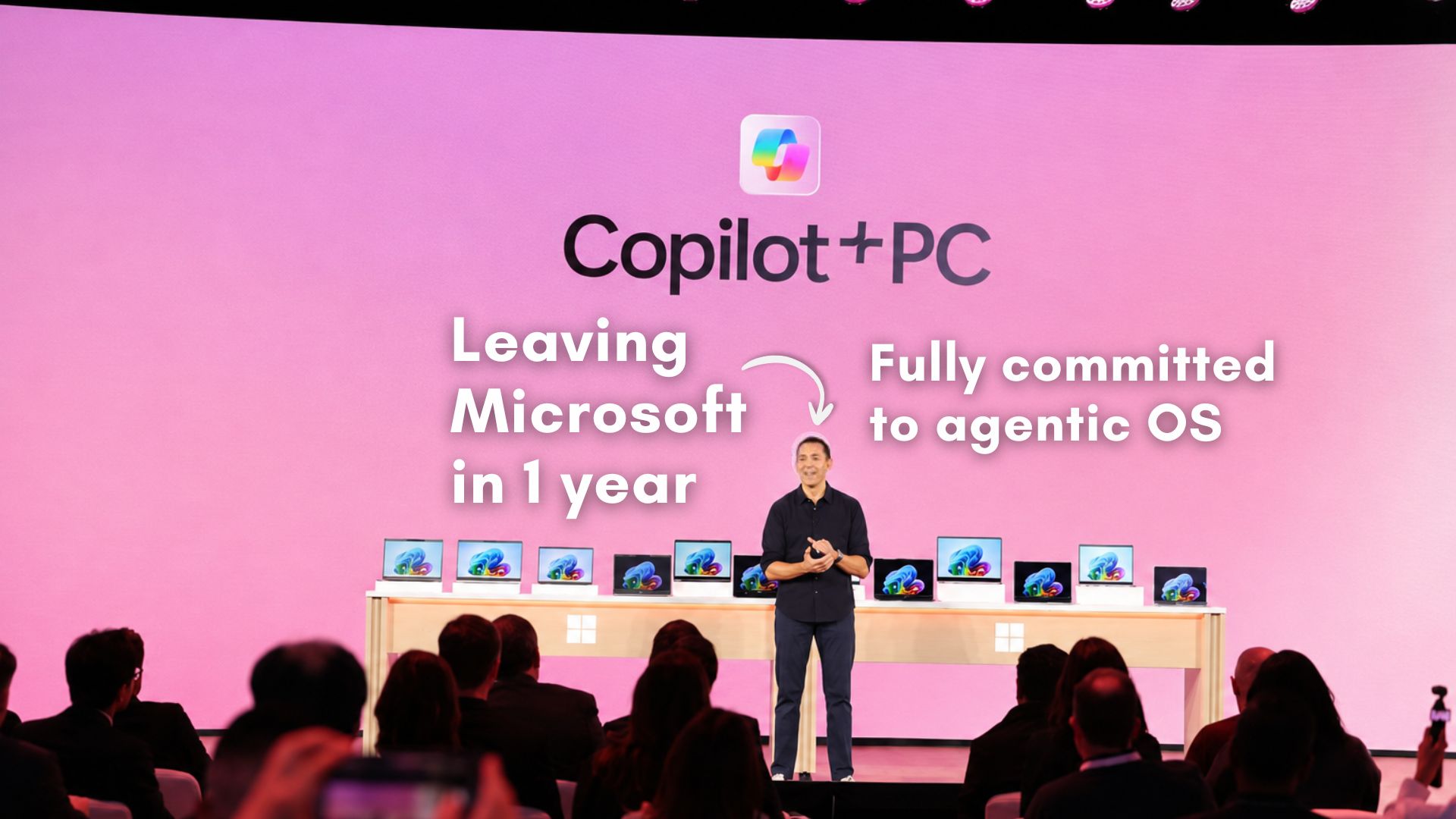
Yusuf Mehdi, Microsoft executive vice president and consumer chief marketing officer, announced he will leave Microsoft after the 2026-27 fiscal year following a 35-year tenure, GeekWire reports. In an internal memo obtained by Windows Central, Mehdi wrote, "I will work through the next fiscal year to help reimagine Windows for the agentic era, grow services, and bring our One Copilot vision to life." GeekWire adds Mehdi told staff he intends to work at "full intensity" through the next fiscal year and that he has been coordinating a transition with CEO Satya Nadella and CMO Takeshi Numoto. Windows-focused outlets note the announcement comes amid continued debate over an "agentic" Windows future and Microsoft's Copilot integration. Microsoft has not announced a successor, according to GeekWire.
What happened
Yusuf Mehdi, Microsoft executive vice president and consumer chief marketing officer, announced he will leave Microsoft after the 2026-27 fiscal year, GeekWire reports. Per an internal memo obtained by Windows Central, Mehdi wrote, "I will work through the next fiscal year to help reimagine Windows for the agentic era, grow services, and bring our One Copilot vision to life." GeekWire reports Mehdi described the upcoming year as a "final season" and wrote in an internal email, "There will be time later to reflect and celebrate, but for now, it's full speed ahead on our mission." GeekWire also reports Mehdi, age 59, said he has been working with CEO Satya Nadella and CMO Takeshi Numoto on transition planning and that Microsoft has not named a successor.
Editorial analysis - technical context
Industry reporting frames Mehdi's stated focus as advancing an "agentic" phase for Windows 11, meaning tighter integration of background AI agents and Copilot-style experiences into the OS. Windows Central and Windows-focused outlets describe both company demonstrations of agentic features and ongoing user pushback over agent behavior and default settings. For practitioners, the technical questions that accompany an agentic OS remain familiar: data flow design for persistent agents, privacy and consent controls, resource management for background models, and UX affordances for agent interruption and explainability.
Context and significance
Editorial analysis
Executive departures during major product transitions attract attention because leadership continuity affects roadmap execution and cross-team coordination. Reporting highlights that Mehdi has been a long-running public face for Microsoft's consumer AI push, from browser and search to Xbox, Surface, and the Copilot brand. That institutional continuity matters for partners, OEMs, and developer programs that integrate Copilot capabilities into apps and hardware.
What to watch
Industry context
Observers will track several indicators over the coming year: announcements about the Windows organization's structure and any reallocation of Windows engineering into the core Windows team; further productization timelines for agentic features and Copilot-first experiences; customer telemetry and opt-in/opt-out UX changes describing agent behavior; and who Microsoft names as Mehdi's successor, since leadership signals shape partner priorities. Public sentiment and user feedback channels are another near-term signal, given the reporting of pushback from some PC users.
Key Points
- 1A long-tenured executive announced departure after one fiscal year, while committing to lead Windows into an "agentic" phase, per Windows Central and GeekWire.
- 2Public coverage frames the "agentic" Windows push around Copilot integration, raising technical questions about background agents, privacy, and resource management.
- 3Industry pattern: leadership changes during major platform transitions tend to increase attention on succession, cross-team coordination, and partner roadmaps.
Scoring Rationale
The story matters because it combines a senior leadership change with a major product direction shift for Windows 11 and Copilot integration. That creates notable continuity and coordination risk for practitioners and partners, but it is not a frontier-model or regulatory milestone.
Sources
Public references used for this report.
Practice interview problems based on real data
1,625 SQL & Python problems across 15 industry datasets — the exact type of data you work with.
Try 250 free problems