Wikipedia Bans AI-Generated Content With Exceptions
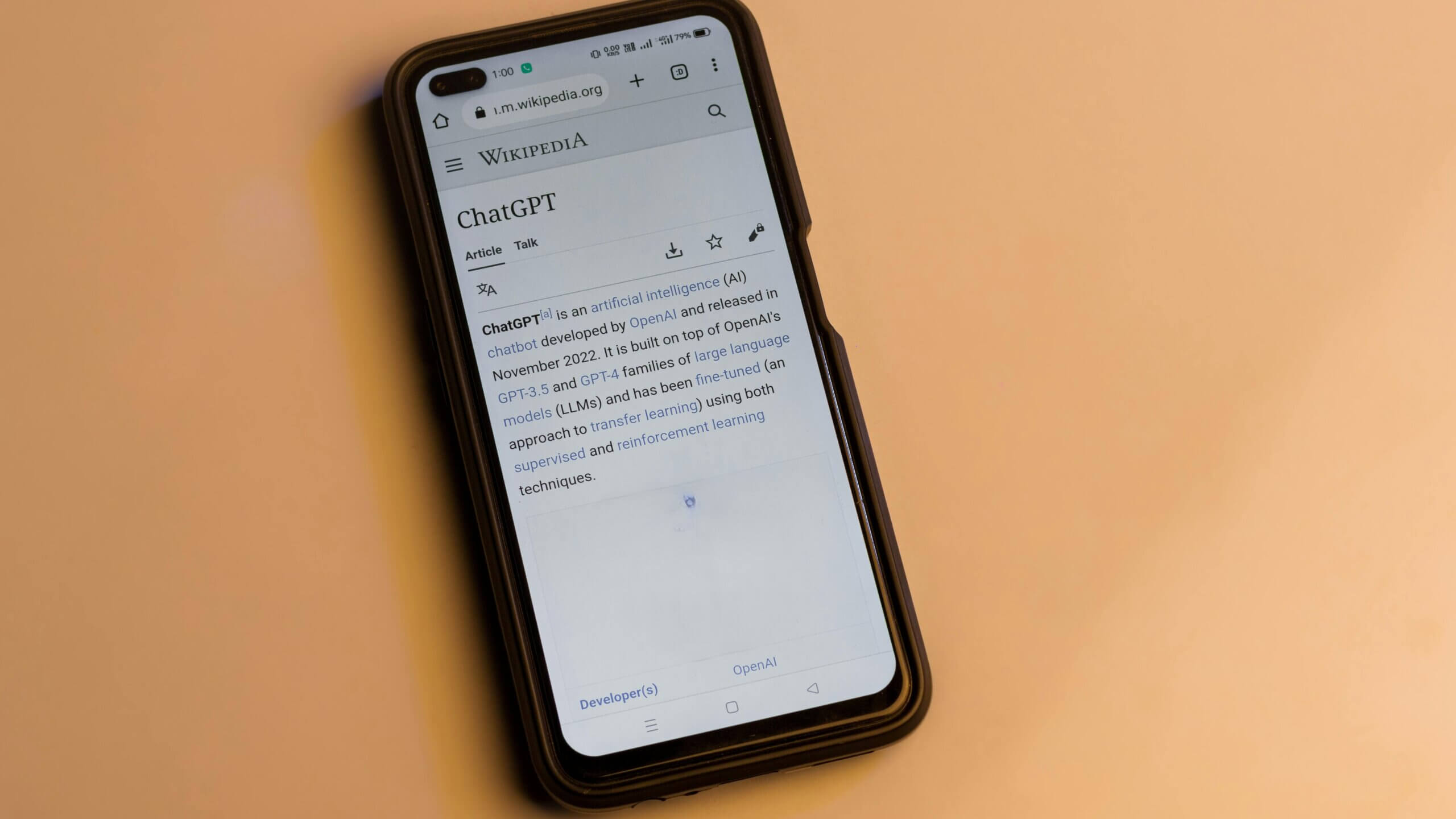
Wikipedia has prohibited the use of large language models to write or rewrite encyclopedia articles across the English site, citing risks to verifiability and neutrality. The new policy allows two narrow exceptions: AI may assist with translations between language editions and may suggest basic copyedits to an editor's own text, provided a human editor verifies and manually applies any changes. The move responds to documented hallucinations, fabricated citations, and the inability to trace provenance in AI outputs. The ban follows community debate and a supportive editors' vote, and it aims to prevent AI-driven degradation of source quality and an AI feedback loop in web content.
What happened
Wikipedia has adopted a strict new policy that prohibits the use of large language models to generate or rewrite article content on the English Wikipedia, which contains 7.1 million articles. The prohibition is categorical for drafting and rephrasing article text, with two narrowly defined exceptions: AI-assisted translations and AI-suggested basic copyedits, both requiring human verification. The community vote backing the change was decisive and reflects widespread editor concern about factual errors and fabricated sources produced by models like ChatGPT.
Technical details
The policy targets core failure modes of current LLMs: hallucinations, invented citations, and opaque provenance. Editors may use LLMs only in two scenarios: translations where a bilingual human verifies fidelity to the original sources, and non-substantive copyedits to an author s own prose, where the LLM must not introduce new factual material. The policy explicitly warns that LLMs can "go beyond what you ask of them and change the meaning of the text such that it is not supported by the sources cited," and it disallows relying on stylistic detection as a primary enforcement mechanism because style signals are unreliable.
Practitioner-facing constraints and enforcement mechanics
- •Permitted uses: AI-assisted translation (with bilingual human review), and basic grammar or format suggestions to an editor s own draft.
- •Prohibited uses: generating new articles, rewording existing articles, synthesizing content that cannot be linked to reliable sources, or inserting material that amounts to original research.
- •Verification requirements: humans must apply suggested edits manually, confirm citations, and ensure neutrality and verifiability before publishing.
Context and significance
This policy is a defensive response to two industry-level problems: the proliferation of machine-generated text across the web and the risk of an "AI ouroboros" in which models ingest other models output, amplifying errors. Wikipedia occupies a special role in the web information ecosystem and in training data pipelines for many models, so a human-first mandate is a purposeful attempt to keep that canonical corpus grounded in verifiable sources. The decision aligns with similar moves by publishers and some platforms to restrict or label AI-generated content, but it is stronger because it removes drafting privileges entirely for LLMs rather than merely requiring disclosure.
Why practitioners should care
Dataset curators, search engineers, and model trainers rely on Wikipedia as high-quality ground truth. The ban clarifies that English Wikipedia intends to remain a human-curated source, which affects downstream data hygiene and sampling decisions. For developers building tools for editors, the permitted use cases define the narrow, defensible APIs that could be offered: translation assistants with traceable source alignment and copyedit suggestion UIs that require click-to-apply workflows. For researchers, the policy highlights the continuing gap between LLM fluency and reliable citation-level provenance.
Quote and framing
Jimmy Wales has publicly warned that current models are "nowhere near good enough" for drafting encyclopedia content, a sentiment echoed in the community s vote to prioritize verifiability and neutrality over automation gains.
What to watch
Implementation details and enforcement will determine practical impact. Key variables include whether other language editions adopt the same rule, how the Wikimedia Foundation supports detection and audit tooling, and whether dataset curators tag or filter AI-origin content to prevent contamination of future training corpora.
Key Points
- 1Wikipedia bans LLMs for article writing due to hallucinations and fabricated citations, protecting verifiability and neutrality.
- 2Two narrow exceptions permit AI for translations and basic copyedits, but only with human verification and manual application.
- 3The policy affects dataset curation, editorial tooling, and the risk of an AI feedback loop in training data for models.
Scoring Rationale
A major platform-level content policy from one of the web s most cited sources matters to practitioners who curate datasets, build editorial tooling, and design provenance controls. The decision is significant but not paradigm-shifting, and the story is several weeks old, so its immediate novelty is reduced.
Sources
Public references used for this report.
View 5 more sources
- Wikipedia Bans AI-Generated Content, With 2 Exceptionstech.yahoo.com
- Wikipedia Bans AI-Generated Content, With Only Two Exceptionscnet.com
- Wikipedia has banned AI-generated text, with two exceptionshowtogeek.com
- Wikipedia officially bans AI-generated content - Paste Magazinepastemagazine.com
- Wikipedia Enforces Strict Human-First Policy, Banning AI-Generated ...techstrong.ai
Practice interview problems based on real data
1,625 SQL & Python problems across 15 industry datasets — the exact type of data you work with.
Try 250 free problems