White House Considers Vetting New AI Models
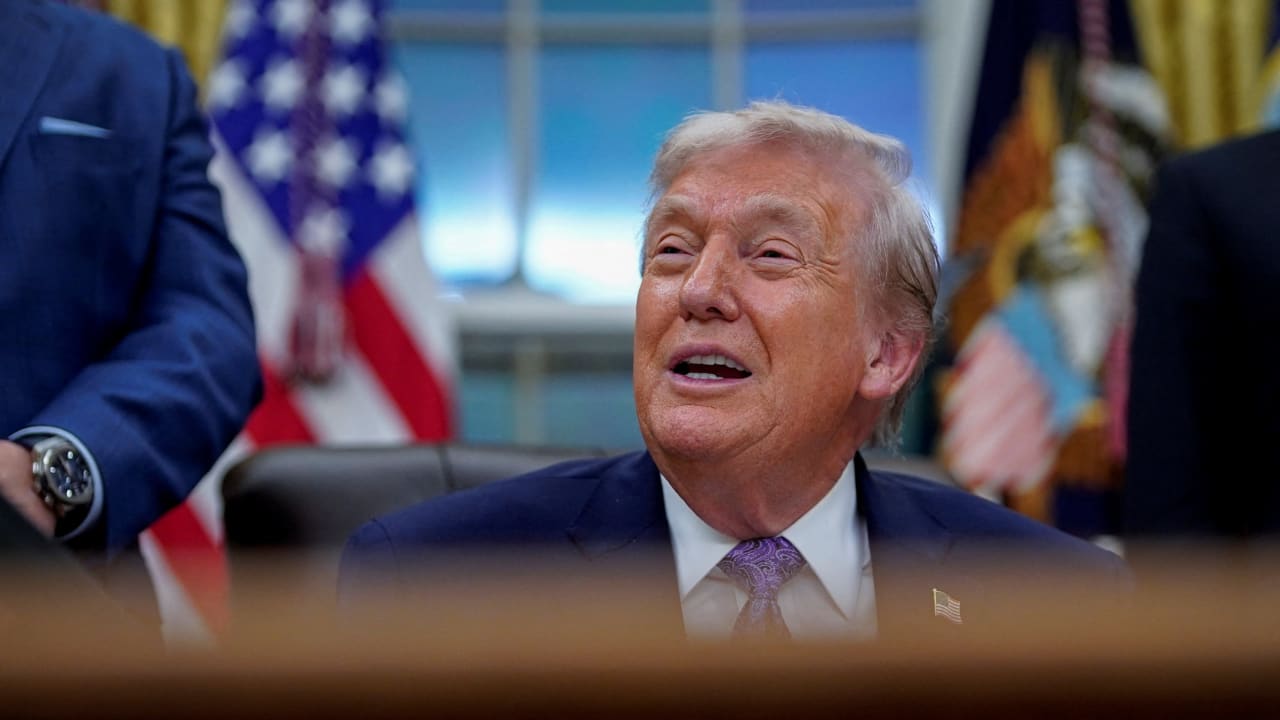
The New York Times reported that the Trump administration is discussing an executive order to create an AI working group and a possible formal government review process for new AI models before public release. The Times, citing U.S. officials and people briefed on the deliberations, says White House officials met with executives from Anthropic, Google and OpenAI to outline some proposals. Reporting notes the proposed review could resemble oversight frameworks under development in the U.K., and that officials have floated agencies including the National Security Agency, the White House Office of the National Cyber Director, and the director of national intelligence as potential leads. Other outlets including Bloomberg, Forbes, Mashable and Business Insider covered the New York Times report.
What happened
The New York Times reported that the Trump administration is discussing an executive order to create an AI working group that would convene government officials and technology executives to examine oversight procedures for new models. According to the New York Times, the discussions include proposals for a formal government review process to vet AI models before they are publicly released, and White House officials recently briefed executives from Anthropic, Google, and OpenAI on some of those plans. The Times also reported that some officials have suggested assigning oversight responsibilities to agencies such as the National Security Agency, the White House Office of the National Cyber Director, and the director of national intelligence. Multiple outlets including Bloomberg, Forbes, Mashable, and Business Insider ran versions of the Times story and cited the same anonymous officials and people briefed on the deliberations.
Technical details
Editorial analysis - technical context
The reporting identifies one proximate catalyst as Anthropic's recent model release, cited in press accounts as Mythos. The New York Times frames the proposed review process as potentially similar to regulatory steps under development in the U.K., where several government bodies are being tasked with assessing safety standards for advanced models. Public accounts do not include a technical specification for what a U.S. review would require, nor do they provide a concrete checklist of safety tests, model access protocols, or evaluation metrics that agencies would use.
Context and significance
Coverage highlights a notable policy reversal in tone compared with earlier Trump administration actions. The New York Times documented that the administration previously rolled back a Biden-era regulatory process that asked developers to perform safety evaluations and report models with potential military applications. Reporting frames the recent meetings and the executive-order option as a shift toward more active federal involvement in pre-release model oversight.
What to watch
Industry context
Practitioners will also want to watch for any public description of the technical criteria for review, such as required robustness testing, red-team results, documentation standards, model-card requirements, or data-access protocols. Absent those details, firms and researchers face uncertainty about compliance burdens and timelines. Finally, monitoring UK and EU rulemaking will be useful because the Times and other outlets explicitly compare U.K. approaches to the proposals under discussion in Washington.
Bottom line
Editorial analysis
For practitioners and organizations building or deploying foundation models, this story signals that U.S. federal policymakers are publicly debating mechanisms that could mandate pre-release engagement with government entities. Comparable discussion in other jurisdictions has focused on access arrangements for models, standard safety tests, and classification of models by capability, but the precise legal form and operational details of any U.S. program remain unspecified in the reporting.
Observers should track three concrete indicators:
- •whether the White House publishes a draft executive order or policy framework
- •which agencies are formally designated to run reviews and what authorities they are granted
- •whether Congress or industry groups respond with competing legislative proposals or legal challenges
Media reporting to date relies on anonymous officials and people briefed on the deliberations; a written executive-order text or formal agency guidance would be the first direct source of legally binding requirements.
Reporting shows U.S. policymakers are actively debating pre-release oversight mechanisms, but the current coverage does not contain a finalized policy, nor does it include a public administration statement with legal text or an enforcement timeline. Practitioners should treat this as a major policy discussion that could produce enforceable requirements if converted into an executive action or legislation, while noting that the specifics remain to be defined and publicly released.
Key Points
- 1U.S. officials are discussing an executive order to form an AI working group and a pre-release model review, reported by the New York Times.
- 2Industry-pattern observation: pre-release review regimes typically hinge on access rules, evaluation criteria, and agency jurisdiction, which determine compliance costs.
- 3For practitioners: clarity on technical criteria and which agencies lead will determine operational impact and legal exposure for model developers.
Scoring Rationale
A potential executive-order process to vet models before release would be a notable U.S. policy shift with direct implications for model development and deployment. The story is still based on reporting of deliberations rather than a finalized rule, which reduces immediate practical impact.
Sources
Public references used for this report.
View 8 more sources
- Trump considering federal AI model oversightmashable.com
- Trump is weighing AI oversight. This is what smart people are saying about it.businessinsider.com
- White House Weighs Vetting AI Models Before Public Release: Reportndtv.com
- NYT: Trump mulls AI oversight in policy U-turn following safety rollbackmalaymail.com
- White House Considers Vetting AI Models Before They Are Releasedsfexaminer.com
- Trump administration considers mandatory pre-release vetting of AI models — Anthropic's Mythos cited as catalyst for policy reversaltomshardware.com
- White House Weighs AI Working Group, Model Testing, NYT Reportsfinance.yahoo.com
- White House Considers Government Reviews for AI Models, NYT ...usnews.com
Practice interview problems based on real data
1,625 SQL & Python problems across 15 industry datasets — the exact type of data you work with.
Try 250 free problems