Utilities Coordinate to Supply AI Data Center Power
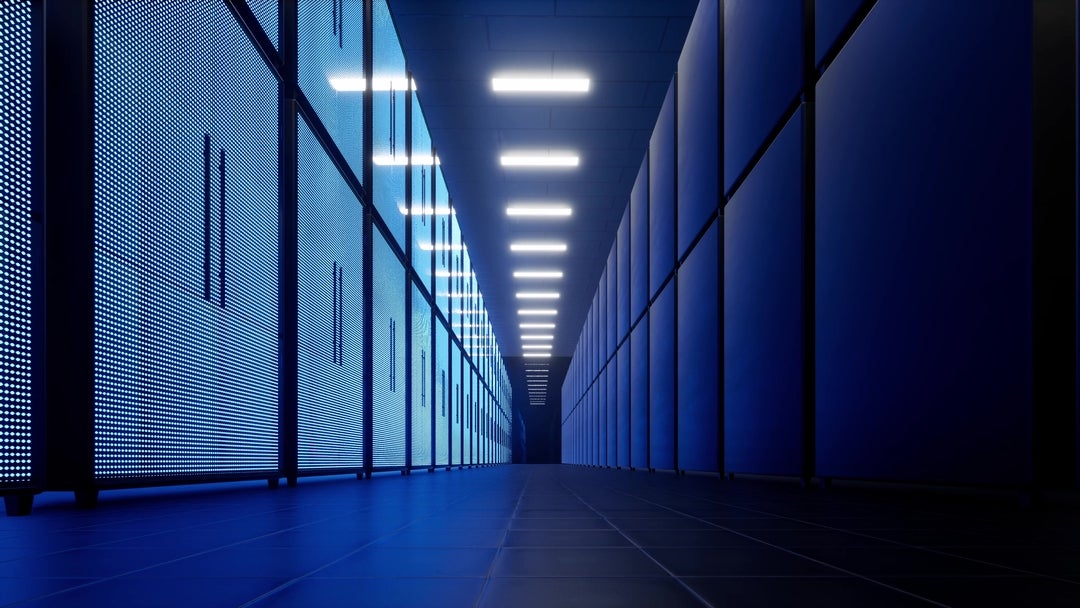
AI-driven data centers are reshaping power planning; the solution is not a single technology but coordinated utility-data center partnerships. The blueprint centers on integrated capacity forecasting, accelerated interconnection and permitting, flexible contractual structures like PPAs and demand-response agreements, and deployment of on-site generation and energy storage to manage peak loads and resilience. Operators must treat power as a strategic, long-lead capital item and embed grid operators early in site selection, design, and operational planning. For engineers and infrastructure planners, the priority is synchronized timelines, clearer queue management, and financial mechanisms that align utility investments with data center growth.
What happened
The inaugural Data Center POWER eXchange in Denver and industry experience from author Chris Crosby lay out a practical blueprint for meeting rapidly growing AI data center power needs: utilities and data centers must partner across planning, contracting, and operations to avoid bottlenecks and deliver resilient capacity.
Technical details
The blueprint emphasizes integrated long-horizon load forecasting and coordinated site planning between utilities and customers. Key technical levers include:
- •synchronized capacity forecasts and timelines to reduce interconnection delays
- •contractual structures such as power purchase agreements (PPAs)
- •deployment of distributed energy resources and energy storage to shave peaks and improve resilience
- •demand-side flexibility and PUE improvements to reduce effective load
Utilities need to treat large-scale AI sites as major transmission and distribution projects, not routine service upgrades. That requires faster permitting, clearer queue processes, and engineering budgets sized to multi-year grid reinforcements.
Context and significance
AI workloads drive higher per-rack power density and sustained GPU loads, shifting data centers from intermittent high-power events to long-duration base loads that stress both transmission and distribution. The blueprint reframes power as a joint engineering and finance problem: aligning utility capital planning with data center leasing and buildout schedules reduces stranded risk and accelerates deployment. The approach also dovetails with wider electrification trends including EVs and industrial loads, meaning planners must manage aggregate growth rather than treating data centers in isolation.
What to watch
Expect more utility-customer bilateral planning pilots, regulatory pressure to reform interconnection queues, and increased investment in on-site storage and modular generation. Practitioners should prioritize early grid engagement, transparent load profiles, and contract terms that underwrite long-lead transmission upgrades.
Key Points
- 1Integrated utility-data center planning reduces interconnection delays and aligns capital timelines, preventing stranded projects and costly buildout slowdowns.
- 2Flexible contracts, on-site generation, and energy storage convert AI loads from a grid liability into manageable, dispatchable resources.
- 3Treating AI load as long-horizon infrastructure accelerates permitting, queue reform, and investment, benefiting utilities and hyperscalers alike.
Scoring Rationale
This is a notable infrastructure story for practitioners: it provides operational and contractual guidance that can materially reduce deployment risk for AI data centers. It is not a frontier-model breakthrough, but it materially affects buildout timelines and capital planning.
Practice interview problems based on real data
1,625 SQL & Python problems across 15 industry datasets — the exact type of data you work with.
Try 250 free problems